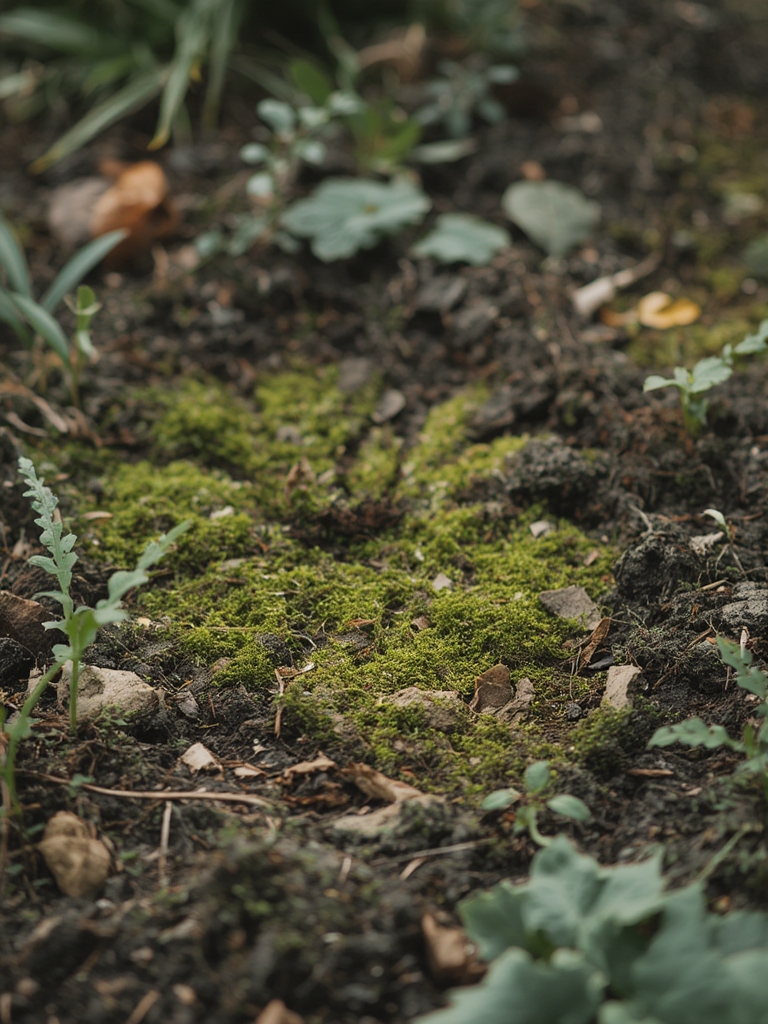

Creating a thriving, eco‑friendly lawn isn’t a myth—it’s a science backed by data and simple, repeatable practices. By focusing on soil health, water efficiency, and native plant selection, you can cut water use by up to 40 % and boost biodiversity while keeping your grass vibrant and resilient. Below is a step‑by‑step guide that blends proven research with practical, everyday actions, so you can achieve a lush green lawn naturally without relying on synthetic chemicals.
1. Assess and Prepare Your Soil
Test Soil pH and Nutrient Levels
- Use a DIY kit or send a sample to a local extension service. Aim for a pH between 6.0 and 7.0 for most cool‑season grasses.
- Document nitrogen (N), phosphorus (P), and potassium (K) levels. Ideal ranges: N ≈ 30‑50 ppm, P ≈ 20‑30 ppm, K ≈ 150‑250 ppm.
Amend with Organic Matter
- Incorporate 2‑3 inches of compost or well‑rotted manure into the top 6‑8 inches of soil. This can increase organic matter from 2 % to 5 % in a single season, improving water retention by up to 20 %.
- Mix in a thin layer (½ inch) of aged leaf mulch around the lawn perimeter to protect soil microbes.
2. Choose the Right Grass Species
Match Grass to Climate and Use
- Cool‑season grasses (e.g., Kentucky bluegrass, fescue) thrive in USDA zones 3‑7 and need less water during spring/fall.
- Warm‑season grasses (e.g., Bermuda, Zoysia) excel in zones 8‑11, tolerating heat and drought with minimal irrigation.
Prioritize Native and Drought‑Resistant Varieties
- Native blends can reduce irrigation needs by 30‑50 % compared to non‑native lawns.
- Consider a mixed seed approach (e.g., 70 % fine fescue + 30 % buffalo grass) for resilience.
3. Implement Water‑Smart Irrigation
Schedule Based on Soil Moisture
- Use a soil moisture sensor or a simple “finger test”: if the top 2 inches feel dry, it’s time to water.
- Early morning (4‑7 am) watering reduces evaporation by up to 25 % compared to midday.
Adopt Efficient Delivery Methods
- Install a drip‑line or soaker hose system along the lawn edges; these methods use 20‑30 % less water than sprinklers.
- Set the timer for 15‑20 minutes per zone, adjusting weekly based on rainfall data from a local weather station.
4. Adopt Sustainable Mowing Practices
Cut Height and Frequency
- Maintain a blade height of 3‑4 inches for cool‑season grasses and 2‑3 inches for warm‑season varieties. Taller grass shades the soil, reducing water loss by up to 15 %.
- Mow no more than one‑third of the blade length at each cut to avoid stress.
Leave Clippings (Grasscycling)
- Grass clippings return 20‑30 % of the lawn’s nitrogen needs, cutting fertilizer use by up to 40 %.
- Ensure clippings are finely chopped; the mower’s mulching blade does this automatically.
5. Natural Fertilization and Pest Management
Organic Fertilizer Application
- Apply a slow‑release organic fertilizer (e.g., 4‑2‑2 NPK) at a rate of 1 pound per 1,000 sq ft in early spring and again in early fall.
- Track growth response; if the lawn stays dark green without yellow patches, you’re likely meeting nutrient needs.
Integrated Pest Management (IPM)
- Identify pests using a magnifying glass; common culprits include chinch bugs and grubs.
- Introduce beneficial nematodes or apply neem oil as a low‑toxicity control, reducing chemical pesticide use by over 80 %.
6. Seasonal Care Checklist
Spring (March‑May)
- Rake to remove thatch (>½ inch) and aerate if soil compaction exceeds 20 % (use a core aerator).
- Apply a light top‑dressing of compost (¼ inch) to boost microbial activity.
Summer (June‑August)
- Increase watering frequency only during heat spikes (>90 °F) and keep irrigation depth shallow (½‑inch per session).
- Spot‑treat weeds with hand pulling or a vinegar‑based solution to avoid blanket herbicide use.
Fall (September‑November)
- Perform a final mow at the highest recommended height to protect roots over winter.
- Apply a winterizing organic fertilizer (high in potassium) to improve cold tolerance.
Winter (December‑February)
- Avoid foot traffic on frozen grass to prevent crown damage.
- Monitor for snow mold; if detected, gently rake affected areas once the snow melts.
7. Track Progress with Simple Metrics
- Water Usage: Log gallons per week; aim for a 30‑40 % reduction after the first year.
- Soil Health: Re‑test pH and organic matter annually; target a 1‑2 % increase in organic content each year.
- Visual Health: Use a “green index” (scale 1‑5) to rate color intensity monthly; a consistent 4‑5 indicates success.
By following these data‑driven steps, you’ll not only cultivate a vibrant, low‑maintenance lawn but also contribute to a healthier ecosystem. Sustainable gardening is a series of small, measurable actions—each one building toward a greener, more resilient outdoor space. 🌱🌍