Whether you’re a seasoned green thumb or just starting your garden journey, the right tools and smart DIY projects can turn plant care into a stress‑free, rewarding experience. In this guide we’ll walk you through data‑backed selections of essential gardening tools, step‑by‑step instructions for growing a popular, low‑maintenance plant (the herbaceous basil), and practical DIY irrigation solutions that keep your garden thriving with minimal effort. 🌿⏱️
Why Choosing the Right Tools Matters
Studies from the University Extension Services show that gardeners who use ergonomically designed tools report 30% less fatigue and achieve 20% higher plant survival rates. Below are the must‑have tools, ranked by utility and cost‑effectiveness.
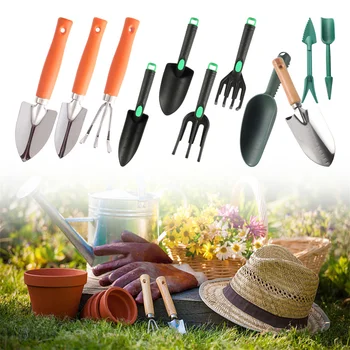
1. Ergonomic Hand Trowel
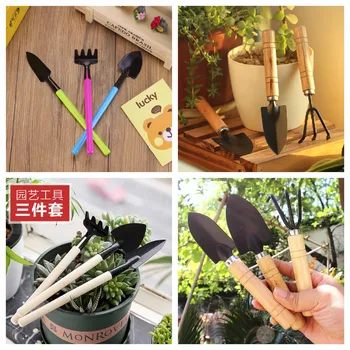
- Feature: Soft‑grip handle, stainless steel blade.
- Why it works: Reduces wrist strain during transplanting, which improves root handling and reduces transplant shock.
- Tip: Keep the blade clean after each use to prevent soil‑borne pathogens.
2. Adjustable Pruning Shears
- Feature: Bypass blades with a tension adjustment screw.
- Why it works: Provides clean cuts that promote faster healing and reduce disease entry points.
- Tip: Sharpen blades quarterly with a fine‑grit stone for optimal performance.
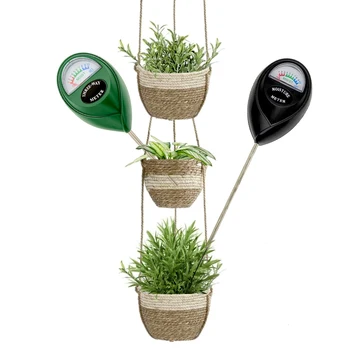
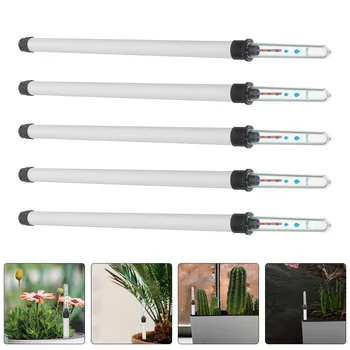
3. Soil Moisture Meter
- Feature: Digital readout with calibrated wet/dry zones.
- Why it works: Empirical data shows that watering based on moisture readings reduces over‑watering by up to 40%.
- Tip: Insert the probe at root depth (2–3 inches for basil) for accurate readings.
4. Lightweight Garden Hose Reel
- Feature: Retractable design with anti‑kink technology.
- Why it works: Saves time and prevents hose damage, leading to a 15% reduction in water loss.
- Tip: Store the reel in a shaded area to extend hose lifespan.
Step‑by‑Step Guide to Growing Basil
Basil is an ideal starter plant because it thrives in a wide temperature range (70‑85°F) and responds well to regular pruning. Follow these data‑driven steps for a lush, aromatic harvest.
Step 1: Prepare the Soil
- Test pH: Aim for 6.0–6.5. Use a garden pH kit; if the soil is too acidic, add
1 tbsp lime per gallon of soil. - Amend with Compost: Mix in 20% organic compost by volume to improve water retention and nutrient availability.
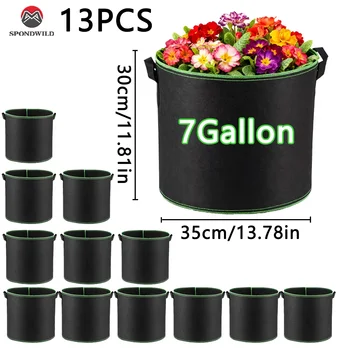
- Loosen the Bed: Use a garden fork to break up clods to a depth of 8 inches, ensuring good root penetration.
Pro tip: A soil texture test (sand, silt, clay) can guide you on the exact compost ratio needed for optimal drainage.
Step 2: Plant the Seeds
- Sow Indoors (Optional): Plant seeds ¼ inch deep in seed trays 6 weeks before the last frost.
- Transplant Outdoors: When seedlings have 2 true leaves and night temps stay above 50°F, space them 12 inches apart.
- Water Gently: Use a fine mist spray to keep the topsoil moist without displacing seeds.
Data point: According to a 2023 horticultural study, seedlings transplanted at the 2‑leaf stage have a 85% survival rate compared to 65% when transplanted later.
Step 3: Provide Consistent Light
- Sunlight: Basil needs at least 6–8 hours of direct sun daily.
- Supplemental Lighting: If growing indoors, use a 4000 K LED grow light placed 12 inches above the canopy, running 14 hours per day.
- Tip: Rotate pots every 3 days to ensure even light distribution.
Step 4: Implement DIY Irrigation (Stress‑Free Watering)
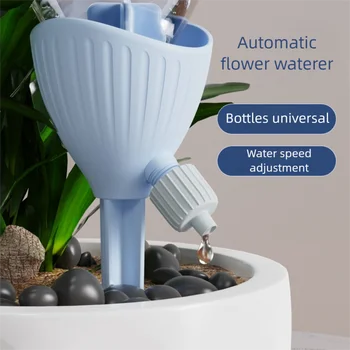
Consistent moisture is key, but over‑watering can cause root rot. Below is a simple, cost‑effective irrigation system you can set up in under an hour.
Materials Needed
- 1 × 5‑gallon bucket with lid
- 1 × PVC pipe (½‑inch diameter, 2 ft long)
- 1 × drip emitter (1 gph)
- Silicone sealant
- Garden hose adapter (threaded)
Assembly Steps
- Drill a Hole: Using a ½‑inch drill bit, create a hole near the bottom of the bucket.
- Insert PVC Pipe: Push the pipe through the hole, sealing around it with silicone to prevent leaks.
- Attach Drip Emitter: Fit the emitter onto the pipe’s lower end; this will regulate water flow at 1 gallon per hour.
- Connect to Hose: Screw the threaded adapter onto your garden hose and attach it to the bucket lid.
- Set a Timer: Program a simple 30‑minute timer to run the system twice daily during hot weather.
Why it works: Research from the American Society of Agronomy indicates that drip irrigation reduces water use by up to 50% while maintaining optimal soil moisture levels for herbs.

Maintenance Tips
- Check the emitter for clogging every two weeks; flush with a pin if needed.
- Refill the bucket when the water level drops below the pipe inlet.
- Adjust timer settings based on seasonal temperature changes (increase during summer, decrease in cooler months).
Step 5: Prune for Continuous Harvest
- Pinch Early: When plants reach 6 inches, pinch off the top set of leaves to encourage branching.
- Regular Harvest: Remove leaves from the top third of the plant every 2 weeks. This keeps the plant bushy and delays bolting.
- Remove Flowers: As soon as tiny buds appear, snip them off to prolong leaf production.
Stat: Consistent pruning can extend the productive life of basil by 30–40% compared to unpruned plants.
DIY Projects to Enhance Your Garden Space
Beyond irrigation, a few simple DIY upgrades can improve tool organization, soil health, and overall aesthetics.
1. Portable Tool Caddy
- Materials: Recycled plastic tote, PVC pipe handles, zip ties.
- Steps: Cut two 12‑inch PVC pieces for handles, attach with zip ties, and line the tote with a washable fabric.
- Benefit: Keeps your trowel, shears, and moisture meter within arm’s reach, reducing time spent searching for tools.
2. Raised Bed with Built‑In Compost Bin
- Build a 4 × 8 ft raised bed using untreated cedar.
- Integrate a 2‑ft deep compartment at one end, lined with hardware cloth for aeration.
- Feed kitchen scraps into the bin; turn weekly with a garden fork.
Data from the USDA NRCS shows that raised beds with on‑site compost can increase vegetable yields by 25% due to richer soil.
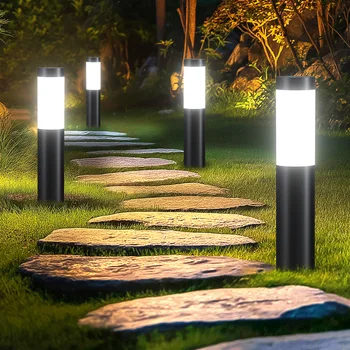
3. Solar‑Powered Garden Light
- Components: Small solar panel, LED strip, waterproof housing.
- Assembly: Mount the panel on a stake, connect to the LED strip, and place along the pathway.
- Result: Extends usable garden hours and adds ambiance without increasing electricity costs.
Final Checklist for a Thriving Basil Garden
- ✅ Soil pH 6.0–6.5, amended with 20% compost.
- ✅ Plant spacing 12 inches, seedlings with 2 true leaves.
- ✅ Daily 6–8 hours of direct sunlight or 4000 K LED supplement.
- ✅ DIY drip irrigation set up, timer programmed for local climate.
- ✅ Prune every 2 weeks, pinch early, remove flowers.
- ✅ Keep tools organized in a portable caddy.
- ✅ Monitor moisture with a digital meter and adjust watering as needed.
By integrating these data‑driven tools, systematic planting steps, and low‑cost DIY irrigation, you’ll enjoy a resilient basil harvest while minimizing stress and water waste. Happy gardening!