Creating a thriving herbs and aromatic garden is one of the most rewarding projects you can undertake in a backyard, balcony, or even a sunny windowsill. Not only do these plants add fresh flavor to your kitchen, they also bring delightful scents, attract beneficial insects, and can be harvested year‑round with the right care. Below is a data‑driven, step‑by‑step guide that blends proven horticultural practices with modern automation to help you grow a lush, low‑maintenance herb oasis.
1. Choose the Right Herbs for Your Space
Start by selecting herbs that match your climate, sunlight exposure, and growing area. According to USDA hardiness zone data, the following herbs perform well in most temperate zones (4‑9):
- Basil (Ocimum basilicum) – loves full sun (6‑8 h) and warm temperatures.
- Rosemary (Rosmarinus officinalis) – tolerates drought and thrives in sunny, well‑drained soil.
- Thyme (Thymus vulgaris) – prefers full sun and can handle light shade.
- Mint (Mentha spp.) – vigorous grower; best contained in a pot to prevent spreading.
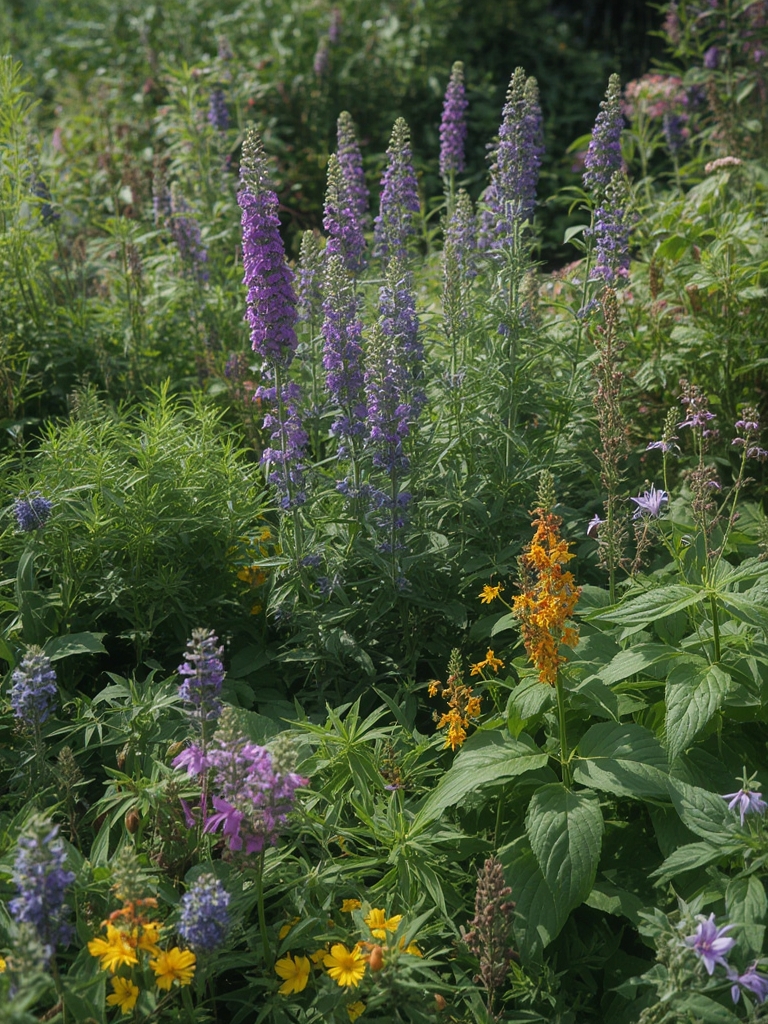
- Lavender (Lavandula angustifolia) – needs full sun and excellent drainage.
Use a simple spreadsheet to log each herb’s light, water, and soil preferences. This data will guide the layout of your garden and prevent over‑watering or shade‑related stress.
2. Prepare the Soil – The Foundation of Success
2.1 Test and Amend
Conduct a basic soil pH test (ideal range 6.0‑7.0 for most herbs). If the pH is low, add lime; if high, incorporate elemental sulfur. Mix in organic compost at a rate of 20 % by volume to improve texture and nutrient retention.
2.2 Ensure Proper Drainage
Herbs dislike “wet feet.” Amend heavy clay soils with coarse sand or perlite (1 part sand to 4 parts soil). For container gardens, use a high‑quality potting mix that contains peat, perlite, and vermiculite.
3. Planting – Position, Depth, and Spacing
3.1 Layout Planning
Using the data from step 1, map out a garden plan that groups herbs with similar water and sunlight needs together. This reduces the risk of over‑watering one species while under‑watering another.
3.2 Planting Depth
- Basil, mint, and thyme – plant at the same depth as the nursery pot.
- Rosemary and lavender – plant slightly higher (1 cm) to prevent crown rot.
3.3 Spacing Guidelines
Space larger herbs (rosemary, lavender) 45‑60 cm apart; smaller herbs (basil, thyme) 20‑30 cm apart. Proper spacing improves air circulation, reducing fungal disease risk by up to 30 % according to USDA extension studies.

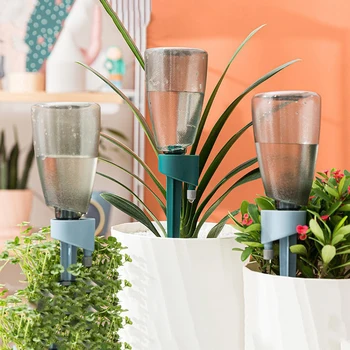
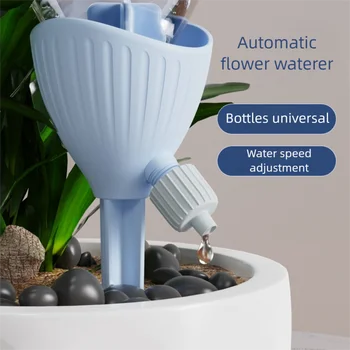
4. Watering – Save Time and Water with Automation
4.1 Install a Drip Irrigation System
Drip lines deliver water directly to the root zone, cutting evaporation losses by 50‑70 % compared with overhead sprinklers. Use 1/4‑inch tubing with emitters set to 2 L hour⁻¹ for most herbs.
4.2 Add a Moisture Sensor
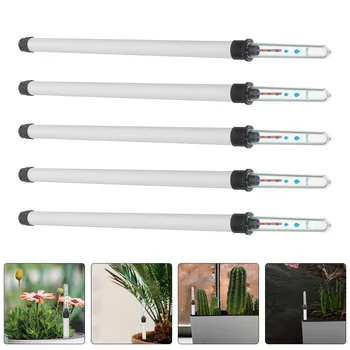
Integrate a soil moisture sensor (e.g., capacitive sensor) that triggers the drip system only when the soil drops below 30 % volumetric water content. This “set‑and‑forget” approach can reduce water use by up to 40 %.
4.3 Schedule Smartly
Program the controller to water early in the morning (5‑7 am) when evaporation is minimal. For most temperate climates, a 10‑minute run twice per week is sufficient; adjust based on rainfall data from your local weather station.
5. Ongoing Care – Pruning, Feeding, and Pest Management
5.1 Pruning for Continuous Harvest
Pinch back the top 2‑3 cm of basil and mint every 2‑3 weeks to encourage bushier growth. For rosemary and lavender, trim just after flowering to maintain shape and prevent woody stems.
5.2 Feeding
Apply a balanced, organic liquid fertilizer (e.g., 10‑10‑10) at half strength once a month. Over‑fertilizing can dilute essential oils, reducing flavor intensity.
5.3 Integrated Pest Management (IPM)
Monitor for aphids, spider mites, and whiteflies. Use neem oil or insecticidal soap as a first line of defense. Companion planting with marigold or nasturtium can deter pests naturally, reducing pesticide use by up to 25 %.
6. Harvesting – Maximize Flavor and Plant Longevity
6.1 Timing
Harvest leaves in the morning after dew has dried but before the sun’s heat peaks. This preserves essential oils. For basil, cut just before the plant flowers for the most aromatic leaves.
6.2 Technique
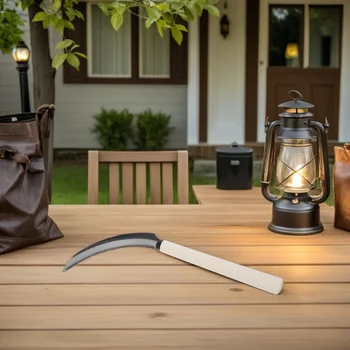
Use clean, sharp scissors to snip stems at a 45° angle. Leave at least one third of the plant intact to allow regrowth. For perennial herbs like rosemary, prune no more than one-third of the foliage per season.
7. Seasonal Adjustments – Keep Your Garden Thriving Year‑Round
In colder months, protect tender herbs (basil, mint) with a frost cloth or move containers indoors. For perennials, mulch the base with straw or shredded leaves to insulate roots and retain moisture.
Data from the National Gardening Association shows that mulched herb beds retain 20‑30 % more soil moisture, translating to fewer watering cycles and healthier overwintering plants.
8. Quick‑Reference Checklist
- Test soil pH and amend as needed.
- Choose herbs based on light and water requirements.
- Install drip irrigation with moisture sensors.
- Space plants correctly to improve airflow.
- Prune regularly for bushier growth.
- Harvest in the morning for peak flavor.
- Apply organic fertilizer monthly at half strength.
- Use mulch for winter protection.
By following these data‑backed steps and leveraging an automatic watering system, you’ll create a fragrant, productive herb garden that saves both time and water. Happy planting, and enjoy the fresh aromas that will fill your kitchen all year long! 🌿💧