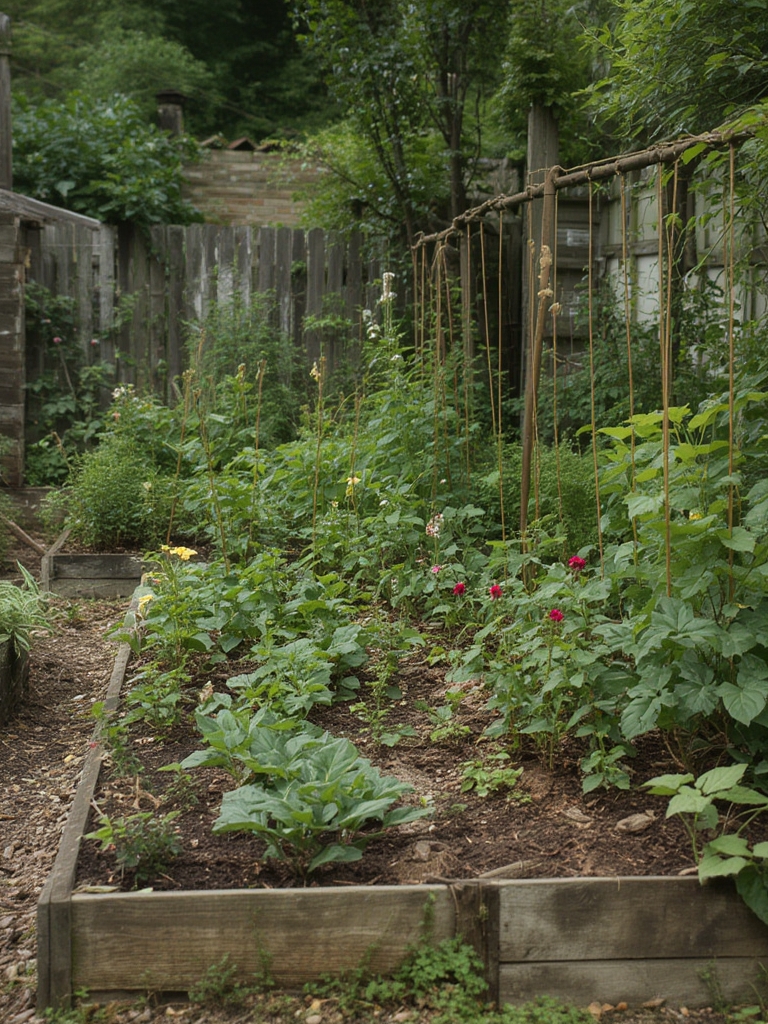

Welcome to your go‑to guide for creating a thriving, eco‑friendly garden that not only feeds the planet but also adds a splash of personality to your outdoor space. Sustainable gardening isn’t just a buzzword—it’s a proven way to cut water use by up to 50 %, boost soil health, and create habitats for pollinators. Below you’ll find a step‑by‑step roadmap, peppered with data‑backed tips, that will help you grow a resilient garden while keeping the planet smiling.
Step 1: Choose the Right Plants for Your Climate
Start with a plant list that matches your USDA hardiness zone or local climate. Native species typically require 30‑40 % less irrigation and are more resistant to local pests.

Actionable Advice
- Research local flora: Use resources like iNaturalist or your county extension service to identify native perennials, shrubs, and grasses.
- Prioritize drought‑tolerant varieties: Lavender, sage, and yarrow thrive on minimal water and attract beneficial insects.
- Mix in edibles: Incorporate low‑maintenance veggies such as kale, Swiss chard, and beans that can double as pollinator magnets.
Step 2: Build Healthy Soil with Compost
Healthy soil is the foundation of sustainability. Studies show that adding 2–3 inches of compost can increase organic matter by up to 15 %, improving water retention and nutrient availability.
Actionable Advice
- Start a kitchen‑scrap compost bin: Collect fruit peels, coffee grounds, and eggshells. Aim for a 3:1 brown‑to‑green ratio.
- Turn the pile weekly: Aeration speeds up decomposition and reduces methane emissions.
- Test soil pH: Use a simple kit; most garden plants prefer a pH of 6.0–7.0. Amend with lime or sulfur as needed.
Step 3: Mulch Like a Pro
Mulching reduces evaporation, suppresses weeds, and adds organic matter as it breaks down. A 2‑inch layer of organic mulch can cut water loss by up to 70 %.
Actionable Advice
- Choose renewable mulches: Straw, shredded leaves, or pine bark are excellent and locally sourced.
- Apply evenly: Keep mulch a few inches away from plant stems to prevent rot.
- Refresh annually: Replenish the layer each spring to maintain effectiveness.
Step 4: Implement Smart Watering Techniques
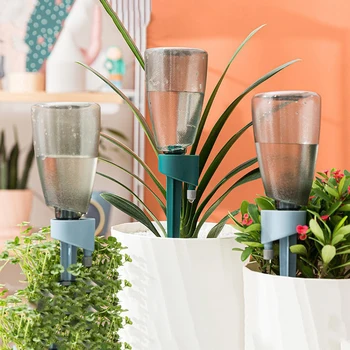
Water is the most critical resource in gardening. Drip irrigation and rain barrels can reduce water use by up to 60 % compared with traditional sprinklers.
Actionable Advice
- Install a drip system: Place emitters at the base of each plant for targeted delivery.
- Harvest rainwater: Use a 200‑gallon barrel with a mesh screen to collect runoff.
- Water early: Morning watering minimizes evaporation and reduces fungal risk.
Step 5: Embrace Integrated Pest Management (IPM)
IPM focuses on prevention, monitoring, and using the least harmful control methods. A well‑balanced garden can reduce pesticide use by over 80 %.
Actionable Advice
- Encourage beneficial insects: Plant marigolds and dill to attract ladybugs and predatory wasps.
- Use physical barriers: Row covers and copper tape deter slugs and aphids.
- Apply organic sprays only when needed: Neem oil or insecticidal soap should be a last resort.
Step 6: Harvest and Re‑seed Responsibly
Harvesting at the right time maximizes flavor and seed viability. For example, cutting herbs just before they flower preserves essential oils and encourages new growth.

Actionable Advice
- Harvest in the morning: Cooler temperatures preserve nutrient content.
- Leave seed heads: Allow a portion of plants to go to seed for wildlife and future planting.
- Store seeds properly: Keep them in airtight containers in a cool, dark place for up to 3 years.
DIY Garden Wall Décor Projects 🎨🌿
Now that your garden is on track, let’s add some visual flair with easy‑to‑make wall art. These projects use recycled materials, keeping waste low while giving your outdoor space a personal touch.
1. Reclaimed Pallet Vertical Planter
- Materials: One pallet, landscape fabric, staple gun, potting soil, herbs or succulents.
- Steps:
- Sand down rough edges and give the pallet a quick coat of eco‑friendly paint.
- Attach landscape fabric to the back and sides with staples.
- Fill each pocket with a light mix of compost and soil.
- Plant herbs like basil, thyme, or small succulents for a low‑maintenance display.
- Tip: Position the pallet on a sunny wall; the vertical design reduces watering needs by up to 30 % compared with ground beds.
2. Mosaic Bottle Cap Art
- Materials: Cleaned bottle caps, outdoor‑grade adhesive, weather‑proof sealant, a wooden board.
- Steps:
- Arrange caps in a pattern (e.g., leaf, sun, abstract shapes).
- Glue each cap onto the board, pressing firmly.
- Seal the entire surface to protect against rain.
- Tip: Use caps of different colors to create a vibrant, reflective piece that catches sunlight and adds a playful vibe.
3. Upcycled Tin Can Wind Chimes
- Materials: 4–6 cleaned tin cans, sturdy string or fishing line, a small wooden dowel, beads, and a drill.
- Steps:
- Drill a hole at the bottom of each can.
- Thread string through the holes, attaching beads for extra sound.
- Tie the strings to the dowel at varying lengths.
- Secure the dowel to a wall hook or fence.
- Tip: Position the chimes where wind flows naturally; the gentle clatter adds auditory charm without electricity.
Maintaining Momentum: Monthly Check‑Ins
Consistency is key. Use this simple calendar to stay on top of tasks and keep your garden sustainable year‑round.
| Month | Focus | Quick Action |
|---|---|---|
| January | Plan & Order Seeds | Review climate data; order native varieties. |
| April | Soil Prep & Planting | Add compost, mulch beds, and install drip lines. |
| July | Water Audit | Check drip emitters; adjust for heat spikes. |
| October | Harvest & Seed | Collect seeds, clean garden walls, add décor. |
Wrap‑Up: Your Sustainable Garden in a Nutshell
By selecting climate‑appropriate plants, enriching soil with compost, mulching wisely, using smart irrigation, and embracing IPM, you’ll cut resource use dramatically while creating a vibrant habitat. Pair those green practices with DIY wall décor, and your garden becomes a living showcase of sustainability and personal style. Remember: each small action—whether it’s a handful of kitchen scraps or a repurposed pallet—adds up to a healthier planet and a garden you’ll love to tend.