
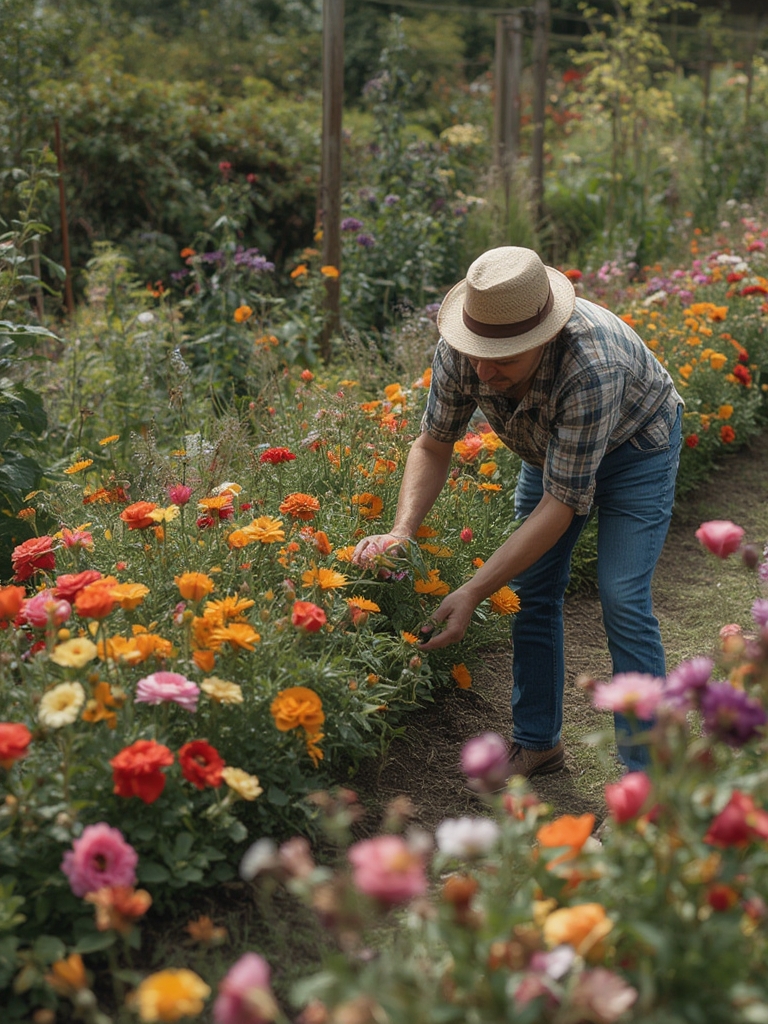
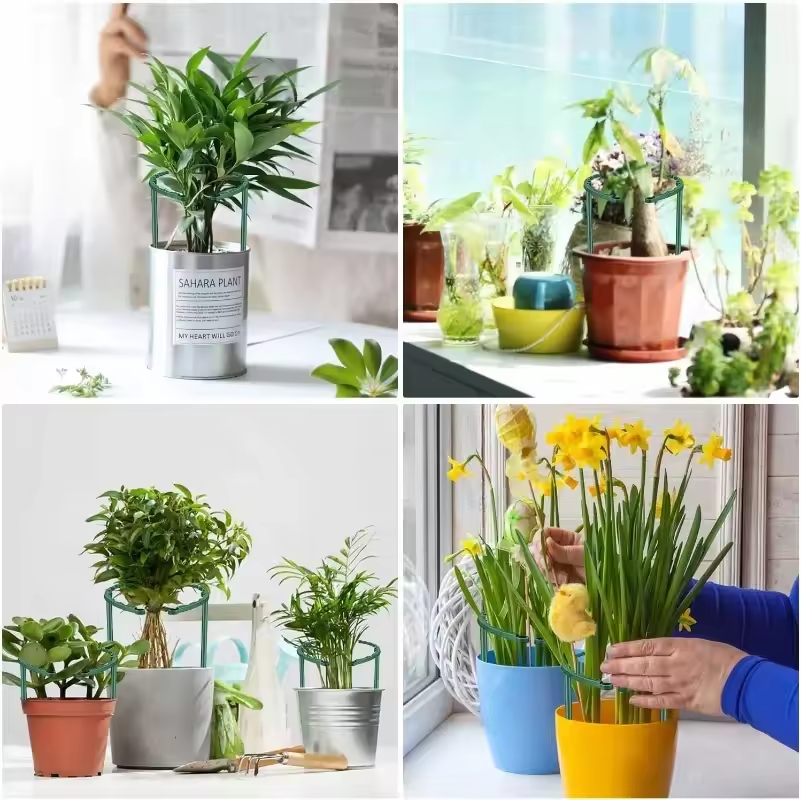
Welcome to your ultimate guide to flower gardening! Whether you’re a seasoned green thumb or just starting out, this data‑driven, step‑by‑step roadmap will help you cultivate vibrant, healthy blooms while saving time with smart gardening gadgets. Follow each section, apply the practical tips, and watch your garden transform into a colorful oasis.
1. Planning Your Flower Garden
Assess Your Space and Light
Start by measuring the area you have—whether it’s a sunny balcony, a shaded patio, or a full‑size yard. Use a light meter app (or a simple smartphone sensor) to record the number of hours of direct sunlight each spot receives. Data point: Most flowering plants need at least 6 hours of direct sun; shade‑loving varieties thrive with 3‑5 hours.
Tip: Sketch a quick layout on graph paper or a digital tool like Garden Planner. Mark sun‑lit zones, wind‑protected corners, and water sources. This visual map guides plant placement and prevents overcrowding.
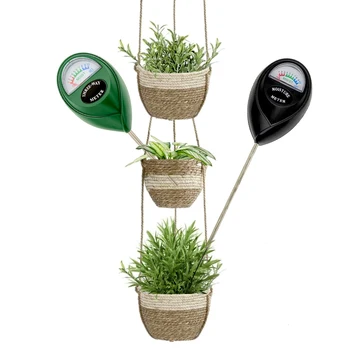
Select the Right Flowers
Choose species that match your climate zone (USDA zones 3‑10) and soil type. For example, Lavender (Zone 5‑9) loves well‑drained, alkaline soil, while Impatiens (Zone 9‑11) prefers moist, slightly acidic conditions.
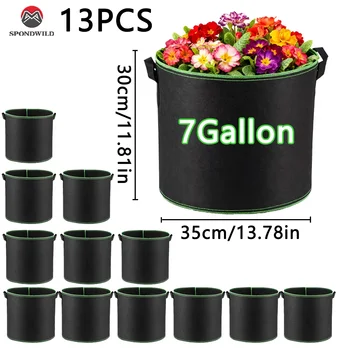
Data‑driven tip: Check the NC State Plant Database for hardiness and soil pH preferences. Aim for a mix of perennials (long‑term color) and annuals (seasonal bursts) to keep the garden lively year‑round.
2. Preparing the Soil
Test and Amend
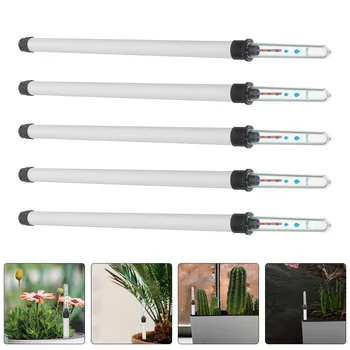
Use a home soil test kit or a smart sensor like the Parrot Flower Power to measure pH, nitrogen, phosphorus, and potassium levels. Ideal pH for most flowers is 6.0‑7.0.
Actionable advice: If pH is low, spread lime; if high, add sulfur. For nutrient deficiencies, incorporate compost (organic matter) and a balanced fertilizer (e.g., 10‑10‑10) at the recommended rate.

Improve Drainage and Structure
Mix in coarse sand or perlite (1 part per 4 parts soil) to enhance aeration. This prevents root rot, especially for water‑loving species like Hydrangea.
Smart gadget: A Moisture‑Sensing Irrigation Controller (e.g., Rachio) can automatically adjust watering based on real‑time soil moisture, ensuring optimal moisture without overwatering.
3. Planting Your Flowers
Timing and Spacing
Plant in early spring after the last frost, or in early fall for cool‑season blooms. Follow spacing guidelines on seed packets—generally 12‑18 inches apart for medium‑sized flowers.
Pro tip: Use a laser measuring tool to lay out rows accurately. Consistent spacing improves air circulation, reducing fungal diseases.
Planting Technique
- Dig a hole twice as wide and the same depth as the root ball.
- Loosen roots gently if they’re compacted; trim any dead ends.
- Place the plant so the crown sits level with the soil surface.
- Backfill with a mix of native soil and compost, tamping lightly.
- Water thoroughly to settle soil around the roots.
Smart tip: A soil probe with Bluetooth connectivity can confirm the hole depth and moisture level before planting, ensuring consistency across the garden.
4. Ongoing Care and Maintenance
Watering Strategies
Most flowers need 1‑1.5 inches of water per week. Early morning watering reduces evaporation and disease risk.
Gadget boost: Install a drip irrigation system with a timer. Pair it with a rain sensor to skip watering after rain, conserving water and preventing root rot.
Fertilizing Schedule
Apply a slow‑release granular fertilizer at planting, then side‑dress with a liquid feed every 4‑6 weeks during the growing season.
Data tip: Track growth using a garden journal app. When leaf color fades or blooms are sparse, increase nitrogen by 10 % for a short period.
Pruning and Deadheading
Remove spent blooms (deadheading) to encourage repeat flowering. Prune back overgrown stems to maintain shape and improve airflow.
Actionable advice: Use clean, sharp pruning shears. For large shrubs, a powered hedge trimmer with adjustable blades speeds up the process while delivering a clean cut.
Pest and Disease Management
Monitor for aphids, spider mites, and fungal spots. Early detection is key.
Smart solution: Deploy a AI‑powered camera trap (e.g., Plantix) that identifies pests via image recognition and suggests organic treatments. Follow up with neem oil or insecticidal soap as recommended.
5. Enhancing Your Garden with Smart Gadgets
Automated Climate Control
If you garden in a greenhouse, a climate controller can regulate temperature, humidity, and CO₂ levels. Set thresholds (e.g., 70 °F day, 55 °F night) and let the system adjust vents and heaters automatically.
Digital Plant Health Monitoring
Devices like the Edyn Garden Sensor provide real‑time data on soil moisture, temperature, and sunlight. Pair it with a mobile app to receive alerts when conditions drift from optimal ranges.
Voice‑Activated Reminders
Integrate your garden calendar with a smart speaker (Amazon Alexa, Google Nest). Set voice commands such as “Alexa, remind me to fertilize the roses on Thursday.” This keeps you on schedule without manual note‑taking.
6. Harvesting and Enjoying Your Blooms
Cutting Flowers for Arrangements
Harvest stems in the early morning when water content is highest. Cut at a 45‑degree angle, and place stems in a bucket of cool water immediately.
Pro tip: Use a cooling misting system in your workspace to extend vase life by keeping stems hydrated and cool.
Seasonal Clean‑Up
At the end of the growing season, remove all dead plant material to reduce disease carryover. Compost healthy debris; discard diseased parts.
Smart cleanup: A robotic garden sweeper can collect fallen leaves and stems, saving hours of manual raking.
Conclusion
By combining data‑driven decisions with practical, actionable steps—and leveraging smart gardening gadgets—you can create a thriving flower garden that looks spectacular while minimizing effort. Start with a solid plan, nurture the soil, plant wisely, and let technology handle the routine tasks. Your garden will reward you with endless color, fragrance, and the satisfaction of growing beauty with precision and ease.
