Herbs and aromatic plants are the heart of any kitchen garden, offering fresh flavor, soothing scents, and a touch of greenery that can thrive even in limited spaces. Whether you have a sunny balcony, a modest patio, or a tiny backyard, you can create a thriving herb garden that’s both beautiful and functional. Below you’ll find a data‑driven, step‑by‑step guide that walks you through selecting the right herbs, preparing the soil, planting, ongoing care, and even building a compact herb spiral to maximize space.
Choosing the Right Herbs for Your Climate and Space
Start by matching herbs to your local climate and the micro‑environment of your garden. Use the USDA hardiness zone map or a similar regional guide to ensure the plants you select will survive winter lows and summer heat.
Top Herbs for Most Zones (Zones 4‑9)
- Parsley (Petroselinum crispum) – Prefers partial shade, tolerates cooler temps; harvest leaves after 60 days.
- Thyme (Thymus vulgaris) – Full sun, drought‑tolerant; thrives in soil pH 6.0‑8.0.
- Mint (Mentha × piperita) – Likes moist, partly shaded spots; keep in a container to prevent invasive spreading.
- Basil (Ocimum basilicum) – Warm‑season annual; needs 6‑8 hours of direct sun and temperatures above 15 °C.
- Rosemary (Salvia rosmarinus) – Full sun, well‑draining soil; tolerates salty or alkaline soils (pH 7.5‑8.5).
Data‑Driven Tips
- Track average daily sunlight on your site using a simple smartphone app; aim for at least 5 hours of direct sun for most culinary herbs.
- Measure soil pH with a cheap test kit; adjust with lime (to raise) or sulfur (to lower) before planting.
- Keep a planting calendar: sow indoor seeds 6‑8 weeks before the last frost date for fast‑growing annuals like basil.
Preparing the Soil and Containers
Healthy soil is the foundation of a productive herb garden. Whether you’re using raised beds, pots, or a spiral, follow these steps for optimal growing media.
Step 1: Choose the Right Mix
- For containers, combine 40 % compost, 30 % peat moss or coco coir, and 30 % perlite or coarse sand for drainage.
- For in‑ground beds, amend native soil with 2–3 inches of well‑rotted compost and 1 cup of garden lime per 10 sq ft if pH is below 6.5.
Step 2: Ensure Proper Drainage
Place a layer of 2‑3 cm of broken pottery shards or gravel at the bottom of containers. For a spiral, incorporate a central drainage pipe (½‑inch PVC) that runs the length of the structure.
Step 3: Add Nutrients
Mix in a slow‑release organic fertilizer (e.g., 4‑14‑8 NPK) at 1 Tbsp per gallon of soil. This provides a steady nutrient supply for the first 8‑10 weeks.
Planting Your Herbs
Correct spacing, depth, and timing are crucial for vigorous growth.
Step 1: Seed vs. Transplant
- Seeds – Sow shallowly (¼‑½ inch deep) and keep the soil consistently moist until germination (usually 5‑10 days).
- Transplants – Plant at the same depth as the root ball; water thoroughly to settle soil.
Step 2: Spacing Guidelines
| Herb | Spacing (inches) |
|---|---|
| Parsley | 8‑10 |
| Thyme | 6‑8 |
| Mint | 12‑18 (in container) |
| Basil | 10‑12 |
| Rosemary | 12‑24 |
Step 3: Watering Schedule
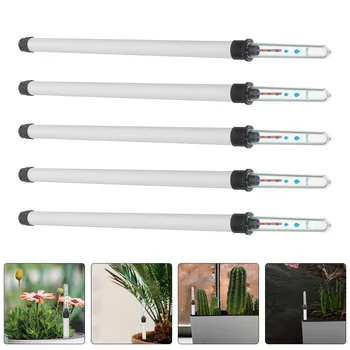
Use a moisture meter or the “finger test” (check 2 cm below surface). Water when the top 2 cm feels dry. Typical frequencies:
- Containers: 2‑3 times per week in summer, 1 time per week in cooler months.
- In‑ground beds: 1‑2 times per week, deep soaking (10‑15 cm penetration).
Creating a Compact Herb Spiral
A herb spiral maximizes vertical space, improves drainage, and creates micro‑climates for herbs with different sun and moisture needs. Below is a concise guide for a spiral that fits on a balcony or patio (≈ 1 m × 1 m footprint).
Materials Needed
- 1 × ½‑inch PVC pipe (2 m long) – serves as the central spine for drainage.
- Landscape bricks or reclaimed stones (≈ 30‑40 pieces).
- Organic soil mix (as described in “Preparing the Soil”).
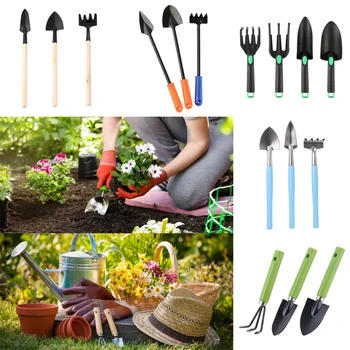
- Compost, mulch, and a small trowel.
Step‑by‑Step Construction
- Lay the Base: Place the PVC pipe vertically in the center of your chosen area; it should extend 10 cm above ground for water overflow.
- Build the Spiral: Starting at the base, stack bricks in a circular pattern, gradually raising each layer by the height of a brick (≈ 7 cm). Continue until you reach a height of 60‑70 cm, forming a gentle “S” shape.
- Fill with Soil: Pack the soil mix tightly between the bricks, leaving a 2‑cm gap at the top for watering.
- Plant Strategically:
- Bottom (moist, shade‑tolerant): Mint, parsley, chives.
- Middle (moderate sun): Thyme, oregano, sage.
- Top (full sun, drier): Rosemary, lavender, basil.
- Irrigate: Water from the top; excess will drain down the PVC spine, keeping lower levels consistently moist.
- Mulch: Add a thin layer of shredded bark to retain moisture and suppress weeds.
Maintenance Tips for the Spiral
- Check the central pipe quarterly for blockages; clear with a garden hose.
- Trim back vigorous growers (mint) to prevent shading of sun‑loving herbs.
- Rotate herbs every season if possible to maintain even soil fertility.
Ongoing Care: Pruning, Harvesting, and Pest Management
Pruning for Continuous Growth
Regular trimming encourages bushier plants and prevents flowering, which can make leaves bitter.
- Parsley & cilantro: Pinch back the first true leaves once they reach 5 cm.
- Basil: Harvest just above a leaf node; remove flower buds immediately.
- Rosemary & thyme: Trim 2‑3 inches from the tips after the plant reaches 15 cm in height.
Harvesting Guidelines
Harvest in the morning after the dew has dried but before the sun intensifies. This preserves essential oils and flavor.
- Take no more than one‑third of the plant at a time.
- Use clean, sharp scissors to avoid tearing stems.
- Store fresh herbs in a damp paper towel inside a zip‑lock bag in the refrigerator (up to 7 days).
Natural Pest Management
Herbs are generally pest‑resistant, but occasional issues can arise.
- Aphids: Spray a solution of 1 Tbsp neem oil + 1 L water.
- Spider mites: Increase humidity by misting leaves daily.
- Slugs: Scatter crushed eggshells or use copper tape around containers.
Data‑Driven Success Checklist
Use this quick reference to monitor your garden’s health each week.
| Metric | Target | How to Check |
|---|---|---|
| Sunlight | 5‑8 hrs/day | Sun‑tracking app or manual observation |
| Soil pH | 6.0‑7.5 (most herbs) | pH test kit |
| Moisture | Top 2 cm dry, deeper moist | Finger test or moisture meter |
| Growth Rate | 10‑15 cm/month (average) | Measure plant height bi‑weekly |
| Pest Presence | None or < 5 % foliage affected | Visual inspection |
Final Thoughts
With the right herb selection, a well‑prepared soil mix, and a compact herb spiral, even the smallest outdoor space can become a fragrant, productive garden. By tracking simple data points—sunlight, pH, moisture, and growth—you’ll quickly spot any issues and keep your herbs thriving year after year. Happy planting, and enjoy the fresh flavors that your aromatic garden will bring to every meal!