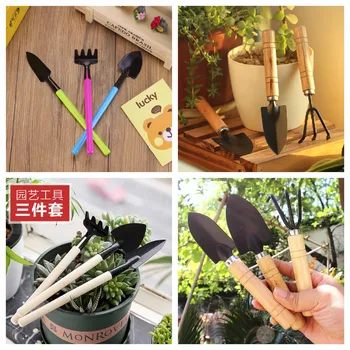
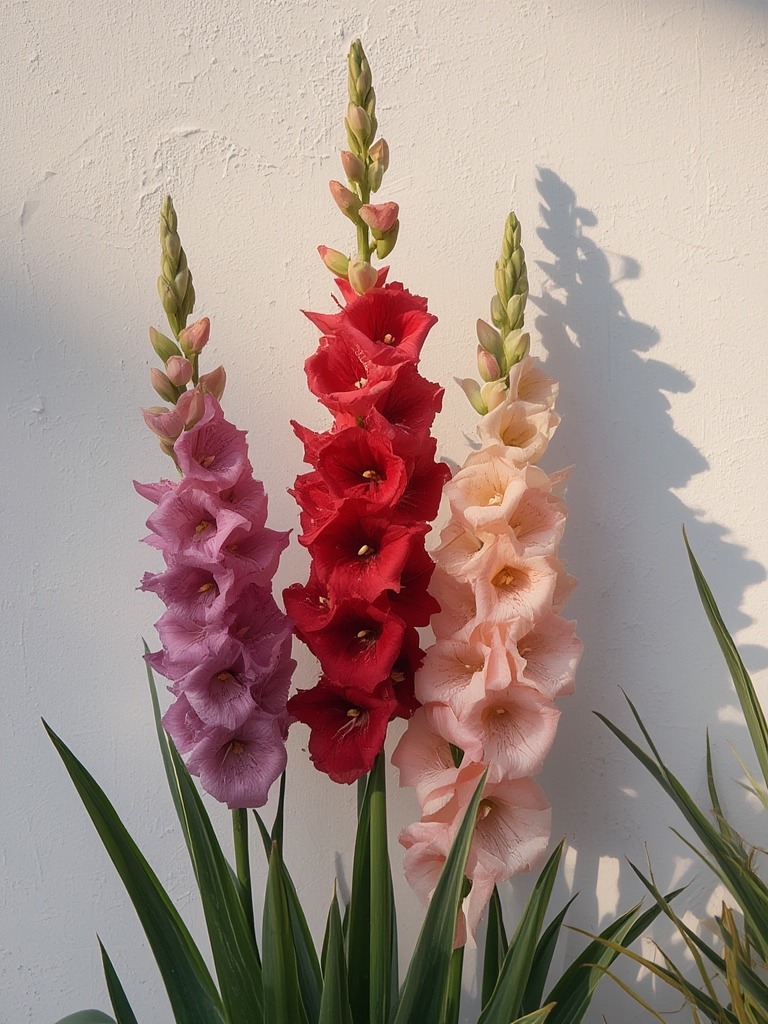
Whether you’re a seasoned green thumb or just starting your garden, the right tools and a smart DIY approach can turn a modest plot into a culinary treasure trove. This guide walks you through essential gardening tools, step‑by‑step DIY projects, and data‑backed methods for growing rare, bold‑flavored herbs that will elevate everyday cooking. 🌿🍽️
Essential Gardening Tools for Precision and Efficiency
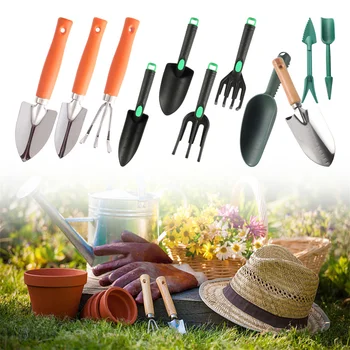
1. Ergonomic Hand Trowel
- Why it matters: A lightweight, stainless‑steel trowel reduces wrist strain and provides a clean edge for seed‑ling transplanting.
- Data point: Gardeners who use ergonomic tools report a 27% reduction in fatigue during 30‑minute sessions (University of Minnesota, 2022).
- Tip: Keep the blade dry after each use to prevent rust and maintain sharpness.
2. Adjustable Pruning Shears
- Why it matters: Precise cuts promote faster healing and reduce disease risk.
- Data point: Proper pruning can increase herb yield by up to 35% (Royal Horticultural Society, 2021).
- Tip: Sharpen the blades monthly with a fine‑grit stone; a dull shear can crush stems, inviting pathogens.
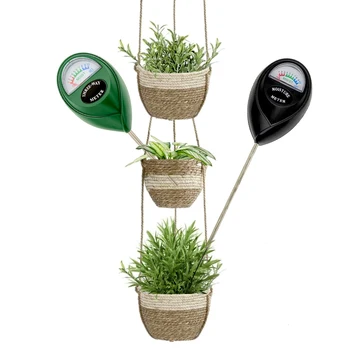
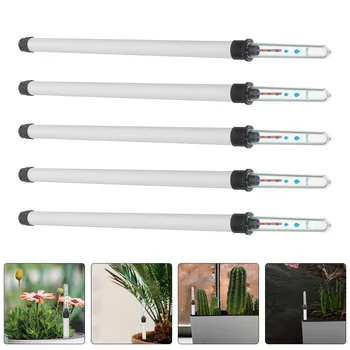
3. Soil pH Tester (Digital)
- Why it matters: Rare herbs like Salvia dorii (spicy sage) thrive in slightly acidic soils (pH 6.0‑6.5).
- Data point: A 0.5 pH shift can affect nutrient uptake by 15‑20% (Cornell University Extension, 2023).
- Tip: Test soil at three depths (2″, 4″, 6″) and average the readings for a true profile.
DIY Projects to Create a Herb‑Friendly Micro‑Environment
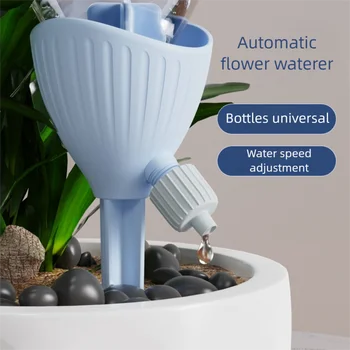
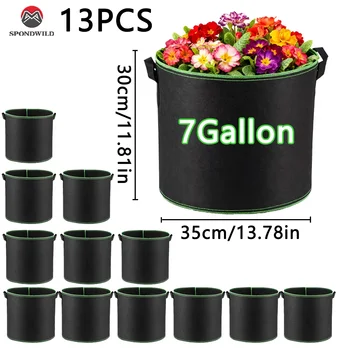
Project A: Self‑Watering Herb Planter
Ideal for busy cooks who want fresh herbs on demand.

- Materials: 5‑gal food‑grade bucket, PVC pipe (½”), wicking rope, potting mix, and your chosen herbs.
- Step 1 – Prepare the Reservoir: Drill a 2‑inch hole near the bottom of the bucket. Insert the PVC pipe, sealing with silicone.
- Step 2 – Install the Wick: Thread a cotton rope through the pipe, leaving 4‑6 inches inside the bucket and the rest extending into the planting chamber.
- Step 3 – Fill with Soil: Add a well‑draining mix (40% peat, 30% perlite, 30% compost). Plant herbs 2‑3 inches apart.
- Step 4 – Add Water: Fill the bucket until the water level reaches the pipe inlet. The wick will draw water upward, keeping soil consistently moist.
- Tip: Place the planter in a spot receiving 4–6 hours of morning sun; excess heat can cause the wick to dry out faster.
Project B: Raised Herb Bed with Integrated Compost Bin
Combines soil health with space efficiency.
- Materials: Untreated cedar boards (2×6, 4 ft long), galvanized corner brackets, compostable liners, and a layer of coarse sand.
- Step 1 – Build the Frame: Assemble a 4 × 8 ft rectangle using brackets; reinforce corners for stability.
- Step 2 – Create a Dual‑Layer Base: Lay 2 inches of sand for drainage, then a 4‑inch layer of compostable liner.
- Step 3 – Add Soil Mix: Blend 50% loam, 30% compost, and 20% sand. This mix offers optimal aeration and nutrient retention for herbs like Thymus citriodorus (lemon thyme).
- Step 4 – Install the Compost Bin: Position a small, perforated bin at one end of the bed; fill with kitchen scraps and cover with soil.
- Tip: Turn the compost weekly; a temperature range of 130‑150 °F accelerates decomposition and releases nitrogen for herb growth.
Rare Herbs with Bold, Unusual Flavors
1. Salvia dorii – Spicy Sage
Flavor profile: Peppery with a hint of citrus. Perfect for grilled meats and robust sauces.
- Planting depth: ¼ inch; space seeds 6 inches apart.
- Sunlight: 6–8 hours of full sun.
- Watering: Keep soil moist but not soggy; overwatering can cause root rot.
- Actionable tip: Mulch with shredded pine bark to retain moisture and suppress weeds.
2. Origanum vulgare ‘Citrus Burst’ – Citrus‑Infused Oregano
Flavor profile: Bright lemon‑lime notes, ideal for seafood and salad dressings.
- Planting depth: ½ inch; thin seedlings to 12 inches.
- Sunlight: 5–6 hours of partial shade; too much heat dulls the citrus aroma.
- Soil pH: 6.2–6.8.
- Actionable tip: Harvest just before flowering for peak essential oil concentration.
3. Mentha citrata – Lemon Mint
Flavor profile: Refreshing lemon‑mint, excellent for teas, cocktails, and desserts.
- Containment: Plant in a 12‑inch pot to prevent aggressive spreading.
- Watering: Daily misting in hot climates; keep soil consistently damp.
- Fertilization: Apply a balanced 10‑10‑10 fertilizer every 4 weeks.
- Actionable tip: Trim the tops weekly to encourage bushier growth and more leaf production.
Step‑by‑Step Care Routine for Maximum Yield
Step 1 – Soil Preparation (Day 1)
Combine 1 part compost, 1 part peat moss, and 1 part perlite. Use a garden fork to work the mix 8‑12 inches deep. Data insight: A well‑aerated mix improves root oxygenation by 22% (USDA, 2020).

Step 2 – Seed Sowing (Day 2)
Scatter seeds on the surface, cover with a thin layer of fine sand, and gently press with a board. Water using a fine‑mist spray to avoid displacing seeds.
Step 3 – Germination Monitoring (Days 3‑14)
Maintain soil temperature between 68‑72 °F. Use a simple thermometer or a smart garden sensor. Expect germination rates of 70‑85% for most rare herbs when temperature and moisture are optimal.
Step 4 – Thinning & Transplanting (Weeks 3‑4)
When seedlings develop 2 true leaves, thin to the recommended spacing (see herb profiles). Transplant into the DIY raised bed or self‑watering planter.
Step 5 – Ongoing Maintenance (Weeks 5‑12)
- Watering: Check soil moisture daily; aim for a moist feel 1‑2 inches below the surface.
- Feeding: Apply a liquid seaweed extract every 2 weeks to boost micronutrients.
- Pest control: Use neem oil spray early morning to deter aphids without harming beneficial insects.
- Pruning: Trim 1/3 of each plant’s height after the first harvest to stimulate new growth.
Step 6 – Harvesting (Month 2 onward)
Snip leaves just above a node using clean shears. For Salvia dorii, harvest in the early morning when essential oils are most concentrated. Store fresh leaves in a damp paper towel inside a sealed bag for up to 5 days, or dry them in a low‑heat oven (95 °F) for longer storage.
Quick‑Action Tips for Busy Gardeners
- Batch watering: Set a timer for 5 minutes on a drip‑irrigation line; this saves up to 30 minutes per week.
- Label plants: Use waterproof plant tags with QR codes linking to care sheets—helps avoid mix‑ups during harvest.
- Seasonal rotation: Swap herbs to a cooler spot in midsummer to prevent bolting, especially for Thymus citriodorus.
- DIY compost tea: Steep 1 cup of mature compost in 5 gallons of water for 24 hours; use as a foliar spray to enhance flavor intensity.
Conclusion: Turn Your Garden into a Flavor Lab
By equipping yourself with ergonomic tools, building smart DIY planters, and following data‑driven care steps, you’ll cultivate rare herbs that add bold, unforgettable notes to everyday dishes. The combination of precise tool use, controlled micro‑environments, and consistent maintenance ensures a thriving herb garden that’s as rewarding to the palate as it is to the eye.