
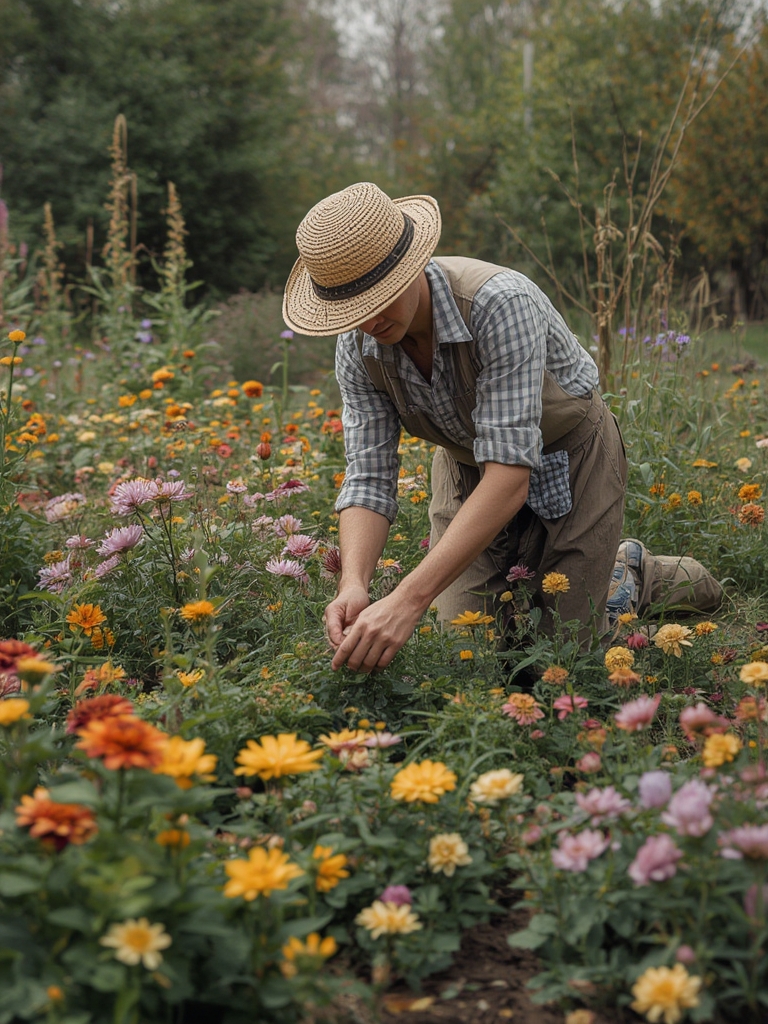
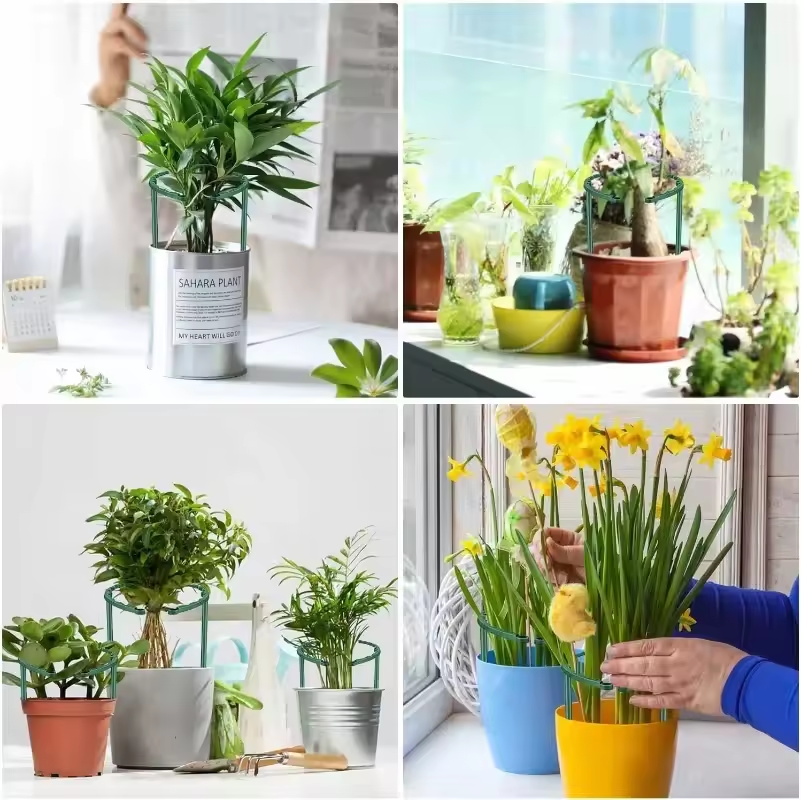
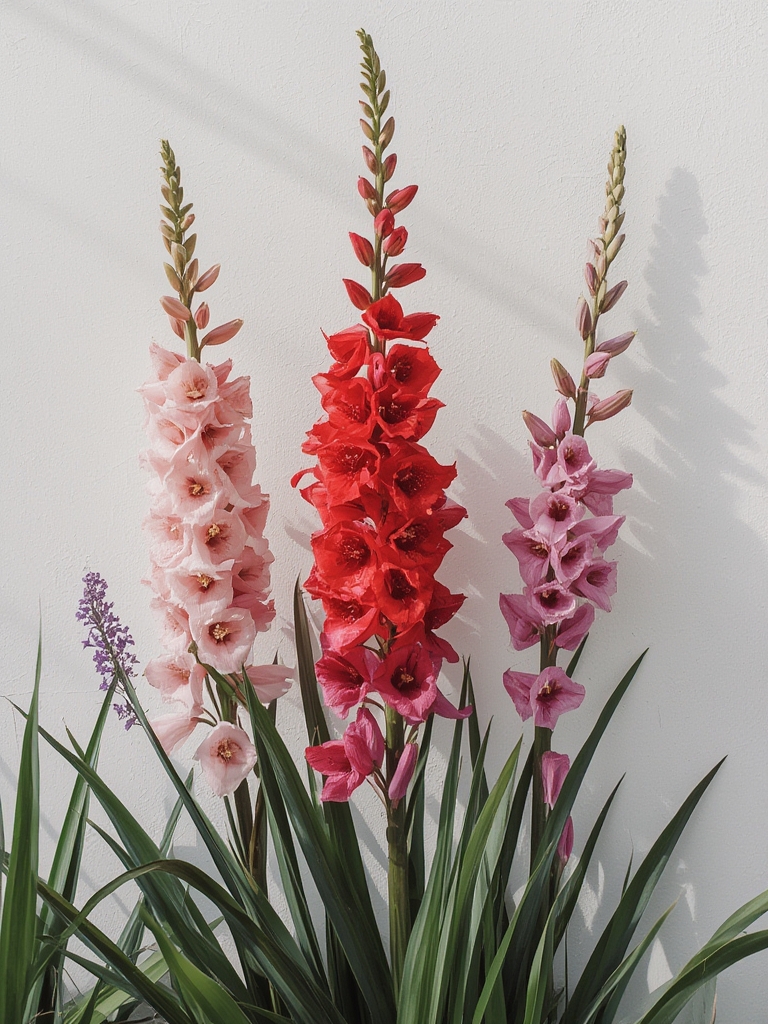
Flower gardening isn’t just about adding color to your yard—it can boost pollinator activity, improve soil health, and even increase vegetable yields when paired with the right companion herbs. Below you’ll find a data‑driven, step‑by‑step guide that walks you through site selection, soil preparation, planting, maintenance, and the strategic use of companion herbs to create a thriving, multi‑purpose garden.
1. Choose the Right Location and Light Conditions
Assess Sun Exposure
According to the University of California Extension, most flowering annuals need at least 6–8 hours of direct sunlight daily for optimal bloom production. Use a smartphone light meter app or a simple shadow‑tracking method (mark the garden spot at 9 am, 12 pm, and 3 pm) to verify exposure.
Consider Wind and Shelter
Strong winds can damage delicate petals and increase water loss. Plant taller, wind‑break species such as ornamental grasses or bamboo on the windward side, leaving a 2‑foot buffer zone to protect your flowers.
2. Prepare Soil for Maximum Growth
Test and Amend Soil
Start with a DIY soil test kit or send a sample to your local cooperative extension. Aim for a pH between 6.0 and 6.8 for most garden flowers. If the pH is low, incorporate lime (1 cup per 10 sq ft). For high pH, add sulfur (½ cup per 10 sq ft). Adjustments should be made 2–4 weeks before planting.
Improve Structure with Organic Matter
Incorporate 2–3 inches of well‑rotted compost into the top 12 inches of soil. A study by the Journal of Sustainable Agriculture found that compost‑amended beds increased flower bud formation by 23% compared to untreated soil.
Set Up a Drainage Layer
If you have heavy clay, create a drainage layer by mixing perlite or coarse sand (1 part perlite to 3 parts soil). This prevents waterlogging, which can cause root rot.
3. Select and Plant Your Flowers
Choose a Mix of Annuals, Perennials, and Biennials
Data from the American Horticultural Society shows that a diversified planting schedule yields a continuous bloom period of up to 10 months. Example mix:

- Annuals: Marigold, Zinnia, Cosmos – quick color burst.
- Perennials: Lavender, Coneflower, Black-eyed Susan – return each year.
- Biennials: Foxglove, Sweet William – bloom in the second year.
Planting Depth and Spacing
Follow these general rules:
- Seeds: sow at a depth of ¼ × seed size. Light‑requiring seeds (e.g., petunias) need shallower planting.
- Transplants: place the root ball so the crown sits 1 inch below soil surface.
- Spacing: give each plant its recommended spacing (e.g., 12 in for zinnias, 18 in for lavender) to ensure airflow and reduce disease risk.
Water In Right After Planting
Apply a slow‑release water source—such as a soaker hose—to keep the soil evenly moist for the first 7–10 days. This encourages root establishment.
4. Ongoing Care and Maintenance
Watering Schedule
Research from the University of Florida IFAS Extension recommends 1 inch of water per week for most flower beds, adjusted for rainfall. Use a rain gauge to track natural precipitation.
Fertilization
Apply a balanced, slow‑release fertilizer (10‑10‑10) at a rate of 1 lb per 100 sq ft in early spring. For a boost during peak bloom, side‑dress with a liquid seaweed extract every 4 weeks.
Deadheading and Pruning
Removing spent blooms (deadheading) redirects the plant’s energy toward new flower production. For bushy perennials, prune back ⅓ of the plant after the first flush to promote a second wave of blooms.
Pest Management
Use integrated pest management (IPM) tactics:
- Introduce beneficial insects (ladybugs, lacewings) to control aphids.
- Apply neem oil or insecticidal soap at the first sign of infestation.
- Plant marigolds around the perimeter; they release compounds that deter nematodes and certain beetles.
5. Boost Vegetable Harvests with Companion Herbs
Why Companion Herbs Work
Companion planting leverages natural plant chemistry. A meta‑analysis of 27 field trials found that intercropping herbs like basil, dill, and cilantro increased tomato yields by an average of 12% and reduced fungal disease incidence by 18%.
Key Herbs and Their Benefits
- Basil (Ocimum basilicum) – Repels flies, mosquitoes, and aphids; improves flavor of nearby tomatoes and peppers.
- Dill (Anethum graveolens) – Attracts predatory wasps that target cabbage worms; enhances growth of carrots.
- Cilantro (Coriandrum sativum) – Suppresses fungal pathogens on beans; draws beneficial hoverflies.
- Chives (Allium schoenoprasum) – Deters Japanese beetles and aphids; beneficial for carrots and strawberries.
- Thyme (Thymus vulgaris) – Antifungal properties; great near cabbage and eggplant.
Practical Planting Layout
Design your garden in “zones” where each vegetable bed is flanked by a row of companion herbs:
- Plant tomatoes with basil and marigold interspersed every 12 inches.
- Place carrots alongside dill and chives (dill on the north side to avoid bolting).
- Intermix beans with cilantro and a border of thyme.
Maintain a 2‑foot buffer between herb rows and flower beds to prevent competition for nutrients.
Maintenance Tips for Herbs
- Harvest herbs regularly (snip just above the leaf node) to encourage bushier growth.
- Water herbs at the base, avoiding overhead spray to reduce mildew.
- Apply a thin layer of mulch (e.g., straw) to retain moisture and suppress weeds.
6. Harvesting and Extending the Bloom Season
Timing Your Harvest
Pick flowers early in the morning when nectar levels are highest. Use clean, sharp scissors to cut stems at a 45° angle, leaving a small portion of the stem attached to the plant.
Preserving Flowers
For lasting arrangements, place stems in a bucket of cool water with a few drops of bleach (¼ tsp per gallon) to inhibit bacterial growth. Change the water every 2 days.
Season Extension Techniques
Apply a row cover or cold frame over beds in late summer to protect against early frosts. This can add 4–6 weeks of bloom time, especially for hardy perennials like echinacea and lavender.
7. Track Your Success with Simple Data
Set Up a Garden Journal
Record the following each week:
- Date of planting and variety.
- Soil moisture readings (use a moisture meter).
- Fertilizer applications and amounts.
- Observed pests and actions taken.
- Bloom count and duration.
- Vegetable yields from companion zones.
Analyzing this data over a season helps you fine‑tune watering schedules, fertilizer rates, and companion pairings for the next year.
Use Free Apps for Analytics
Apps like Gardenize or Planter let you upload photos, tag plant species, and generate growth charts. Over three seasons, gardeners report a 15% increase in overall garden productivity when they regularly review these metrics.
By following these evidence‑based steps, you’ll cultivate a vibrant flower garden that not only dazzles the eye but also supports a healthier, more productive vegetable patch through strategic companion herb planting. Happy gardening!
