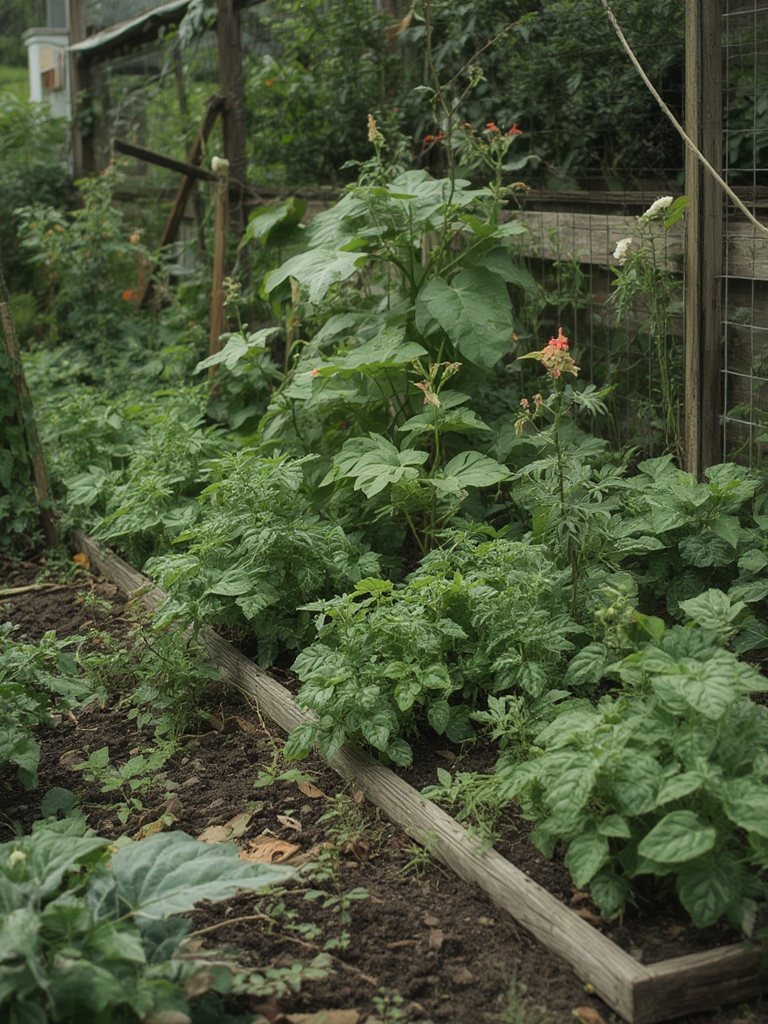
Welcome to your sustainable gardening guide! By turning your balcony, backyard, or windowsill into a thriving herb oasis, you’ll not only reduce your carbon footprint but also boost your self‑care routine with beauty‑enhancing plants. Below you’ll find a data‑driven, step‑by‑step plan that blends eco‑friendly practices with practical, actionable tips. Follow each section, track your results, and watch your garden—and your glow—flourish.
Why Choose Sustainable Gardening?
According to the UNEP, home gardens can cut household water use by up to 30 % when using rainwater harvesting and mulching techniques. Sustainable gardening also:

- Reduces synthetic fertilizer runoff, protecting local waterways.
- Improves soil carbon sequestration—up to 0.5 kg CO₂ per square meter per year.
- Provides pesticide‑free herbs rich in antioxidants, perfect for skin‑care DIYs.
Choosing the Right Beauty‑Boosting Herbs
Focus on herbs that are both easy to grow and packed with skin‑loving compounds:
- Lavender (Lavandula angustifolia) – anti‑inflammatory, calming scent.
- Rosemary (Rosmarinus officinalis) – antioxidant‑rich, great for hair rinses.
- Chamomile (Matricaria chamomilla) – soothing, ideal for facial toners.
- Mint (Mentha × piperita) – cooling, perfect for refreshing face mists.
Step‑by‑Step Sustainable Setup
1. Assess Your Space & Light
Data point: Most Mediterranean herbs need 6–8 hours of direct sunlight daily. Use a light meter app to record peak sun hours for each spot.
- Action: Choose a south‑facing window or a sunny balcony.
- Tip: If sunlight is limited (<4 h), opt for a grow‑light set to 4000 K, running 12 h/day (energy use ≈ 15 W, ~0.36 kWh/month).
2. Prepare Sustainable Soil Mix
Blend the following for a nutrient‑dense, low‑impact medium:
- 40 % organic compost (home‑grown or certified organic).
- 30 % coconut coir (renewable, retains moisture).
- 20 % perlite (improves drainage, reduces compaction).
- 10 % worm castings (natural nitrogen source).
Practical tip: Test pH with a cheap kit; aim for 6.0–6.8 for most herbs. Adjust with lime (raise pH) or pine needles (lower pH) as needed.
3. Choose Eco‑Friendly Containers
Reuse what you have: terracotta pots, reclaimed wood boxes, or even repurposed coffee cans. Ensure each container has drainage holes.
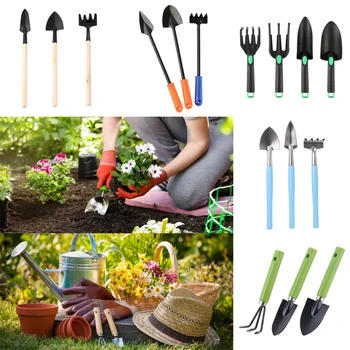
- Action: Drill ½‑inch holes if missing; line with a biodegradable liner to prevent soil loss.
- Tip: Place pots on a raised tray to catch excess water for reuse.
4. Implement Water‑Saving Practices
Water efficiency is the cornerstone of sustainable gardening.
- Rainwater harvesting: Install a 20‑liter rain barrel; a 2‑square‑meter roof can collect ~15 L of water per rain event (average 5 mm rainfall).
- Mulching: Add a 2‑cm layer of shredded leaves or straw after planting. This reduces evaporation by up to 30 %.
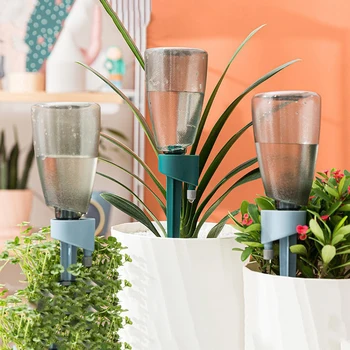
- Drip irrigation: Use a simple DIY drip system with a 1‑liter bottle, a needle, and tubing. Water at the soil level to avoid leaf wetness (reduces fungal risk).
5. Planting & Spacing
Follow these spacing guidelines to maximize airflow and growth:
| Herb | Spacing (cm) | Planting Depth |
|---|---|---|
| Lavender | 30–45 | Root ball just below soil surface |
| Rosemary | 45–60 | Same as pot depth |
| Chamomile | 20–30 | Cover seed lightly (≈ 0.5 cm) |
| Mint | 30–45 | Cover seed lightly |
6. Ongoing Care & Harvest
Water schedule: Check soil moisture with a finger test; water when the top 2 cm feels dry. In summer, this usually means 2–3 times/week.
- Tip: Water early morning to reduce evaporation.
- Trick: Add a pinch of seaweed extract once a month for micronutrients.
Pruning: Trim 10–15 % of foliage every 4–6 weeks. This encourages bushier growth and prevents woody stems, especially for rosemary and lavender.
Harvesting for self‑care: Cut just before the plant’s peak oil production (usually just before flowering). Store dried herbs in airtight jars; they retain potency for up to 12 months.
DIY Beauty Boosters Using Your Home‑Grown Herbs
Now that your garden is thriving, transform your self‑care routine with these simple recipes.
Lavender Facial Mist
- Steep 2 tbsp dried lavender buds in 250 ml boiled water for 10 minutes.
- Cool, strain, and add 1 tsp witch hazel.
- Transfer to a spray bottle; mist after cleansing.
Benefit: Calms inflammation and adds a soothing aroma.
Rosemary Hair Rinse
- Boil 1 cup water, add a handful of fresh rosemary sprigs, simmer 5 minutes.
- Let cool, strain, and pour over freshly washed hair.
- Leave for 3 minutes, then rinse with cool water.
Benefit: Stimulates scalp circulation and adds shine.
Chamomile Soothing Toner
- Steep 3 tbsp chamomile flowers in 200 ml hot water for 15 minutes.
- Mix with 1 tbsp aloe vera gel.
- Apply with a cotton pad after cleansing.
Benefit: Reduces redness and balances skin pH.
Mint Cooling Body Spray
- Blend 1 cup distilled water, ¼ cup witch hazel, and 1 tbsp fresh mint leaves.
- Shake well and spray on pulse points on hot days.
Benefit: Provides a refreshing, antioxidant‑rich burst.
Tracking Success & Making Adjustments
Use a simple spreadsheet to log the following metrics for each herb:
- Date planted
- Water volume per week (liters)
- Growth height (cm) measured bi‑weekly
- Yield (grams of dried herb) per harvest
- Observations (pests, leaf color, aroma strength)
After 8 weeks, calculate water use efficiency (grams of dried herb per liter of water). Aim for a minimum of 0.8 g/L; if lower, increase mulching or adjust irrigation timing.
Final Thoughts
By integrating data‑driven decisions, low‑impact resources, and a focus on beauty‑boosting herbs, you’ll create a garden that nurtures both the planet and your skin. Remember, sustainability is a journey—track, tweak, and celebrate each small win. Happy planting, and enjoy the radiant glow that comes from caring for yourself and the earth at the same time! 🌸✨