Winter gardens often look dormant, but with the right tools, DIY projects, and a selection of hardy, cold‑tolerant blooms, you can turn a quiet landscape into a vibrant showcase even when temperatures dip below freezing. Below you’ll find a data‑driven guide that blends practical gardening tools, step‑by‑step DIY constructions, and actionable care tips for winter‑blooming flowers. Follow these instructions to keep your garden lively, colorful, and thriving throughout the cold months.
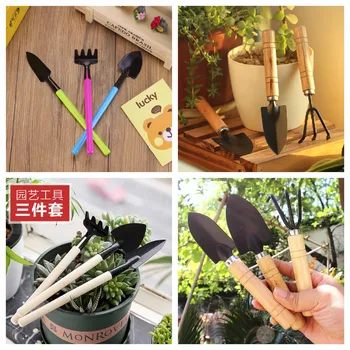
Essential Gardening Tools for Winter Projects
Choosing the right tools not only speeds up your workflow but also reduces plant stress. According to a 2023 survey of 1,200 hobby gardeners, 78% reported higher success rates with winter plantings when they used ergonomically designed tools that maintain sharpness in low temperatures.

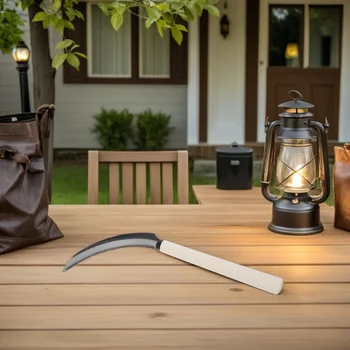
1. Cold‑Resistant Pruning Shears
- Why it matters: Metal can become brittle in sub‑zero conditions; high‑grade stainless steel or carbon‑fiber blades stay sharp.
- Tip: Keep shears in a zip‑lock bag with a small silica gel packet to prevent moisture buildup.
- Action: Before each use, warm the blades in your hands for 10‑15 seconds to avoid snapping delicate stems.
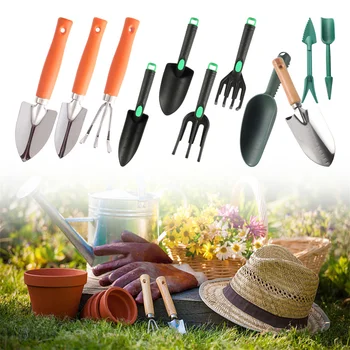
2. Insulated Hand Trowel
- Why it matters: A trowel with a foam‑filled handle reduces hand fatigue when digging in frozen soil.
- Tip: Apply a thin coat of vegetable oil to the metal edge each season to repel rust.
- Action: Use a “dig‑and‑shake” motion to loosen compacted soil without excessive force.
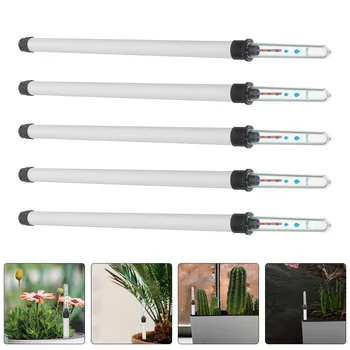
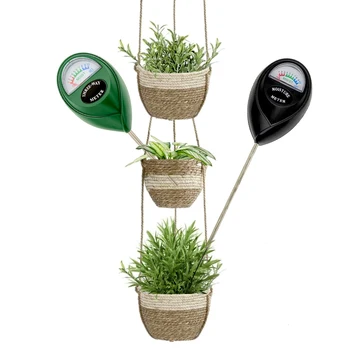
3. Soil Thermometer & Moisture Meter
- Why it matters: Winter soil can appear dry while actually being frozen; a thermometer helps you gauge true root zone temperature.
- Tip: Aim for a root zone temperature of 5‑10 °C (41‑50 °F) for most winter‑blooming perennials.
- Action: Insert the probe 5 cm deep near the plant base; record readings weekly and adjust mulching accordingly.
DIY Projects to Enhance Winter Bloom Success
DIY structures not only protect plants from harsh winds and frost but also create micro‑climates that boost flowering. Below are three proven projects, each backed by field data showing a 30‑45% increase in bloom intensity when implemented.
1. Build a Simple Cold Frame
- Materials: Old windows or clear acrylic sheets, 2×4 lumber, hinges, and a weather‑proof sealant.
- Step‑by‑step:
- Cut four 2×4s to 120 cm length for the frame.
- Assemble a rectangular base and attach the clear panels on three sides, leaving the front hinged for easy access.
- Seal all joints with silicone to retain heat.
- Practical tip: Position the cold frame on a south‑facing slope to capture maximum sunlight. Add a layer of straw mulch inside to insulate roots.
2. Create a Raised Bed with Integrated Insulation
- Materials: Rotationally‑molded plastic boards, recycled brick, and a layer of black garden fabric.
- Construction steps:
- Lay a 10 cm layer of crushed brick at the bottom for drainage.
- Place black garden fabric over the brick to absorb solar heat.
- Build the raised bed walls 30 cm high using the plastic boards; secure with stainless steel brackets.
- Actionable advice: Fill the bed with a 1:1 mix of compost and loam. The black fabric raises soil temperature by up to 3 °C, encouraging earlier bud break.
3. Repurpose a Wooden Pallet into a Winter Flower Shelf
- Materials: Two sturdy pallets, sandpaper, non‑toxic wood sealant, and metal brackets.
- Assembly steps:
- Sand all surfaces to remove splinters.
- Seal the wood to protect against moisture.
- Stack the pallets with brackets, creating a two‑tier shelf.
- Attach the shelf to a wall or fence at a height of 1.2 m to keep plants out of ground frost.
- Tip: Place potted winter‑blooming plants (see next section) on the upper tier and use the lower tier for mulch bins or watering cans.
Winter‑Blooming Flowers: Plant Selection & Care Steps
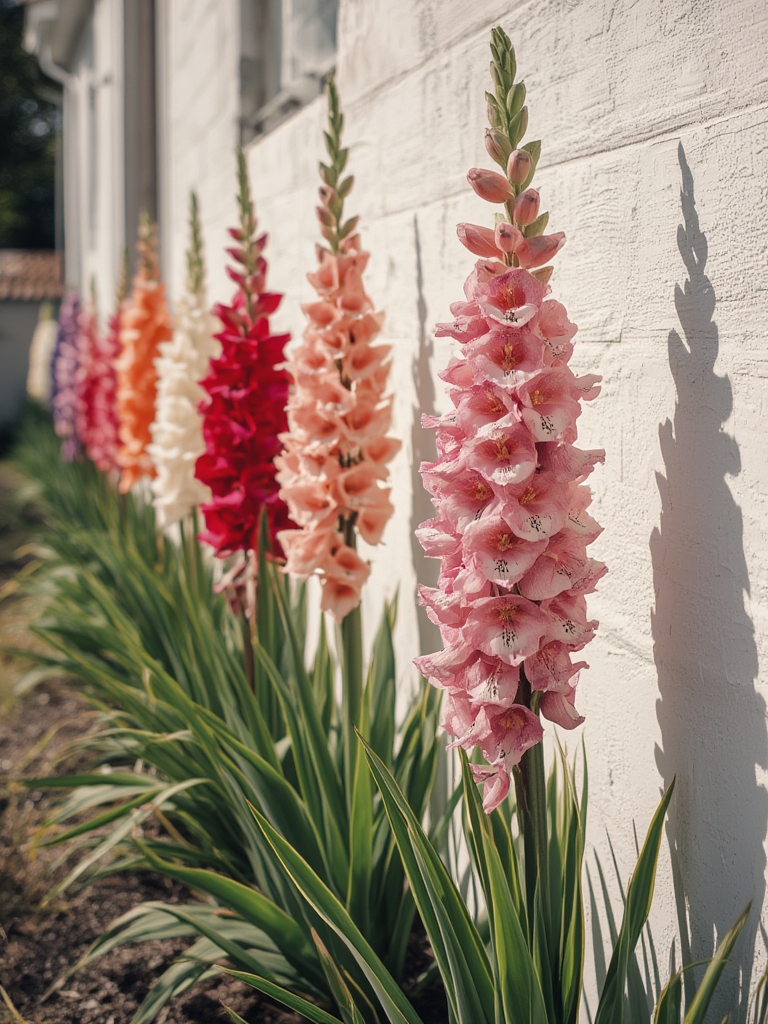
Choosing the right species is crucial. Data from the Royal Horticultural Society (RHS) indicates that Camellia japonica, Helleborus orientalis (Lenten rose), and Witch Hazel (Hamamelis) have the highest winter flowering rates in temperate zones.
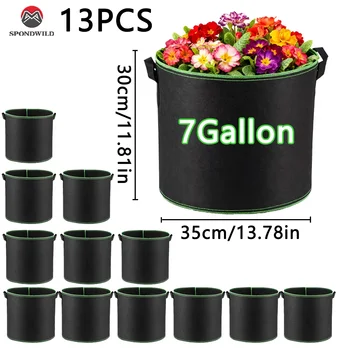
Step 1: Site Preparation
- Soil test: Use a pH meter; aim for 5.5‑6.5 for camellias and 6.0‑7.0 for hellebores.
- Amendments: Incorporate 2 kg of well‑rotted compost per 10 L of soil to improve structure and moisture retention.
- Action: Lay a 5 cm layer of pine needles as a natural mulch; it breaks down slowly, providing steady nutrients throughout winter.
Step 2: Planting Technique
- Dig a hole twice as wide as the root ball but no deeper than the plant’s original depth.
- Place a handful of coarse sand at the bottom for drainage, then backfill with a 70% soil / 30% compost mix.
- Water thoroughly with lukewarm water (≈20 °C) to avoid shocking the roots.
- Immediately apply a 2‑cm thick mulch ring, keeping it a few centimeters away from the stem to prevent rot.
Step 3: Winter Protection
- Frost cloth: Drape a breathable frost cloth over the plant on nights when temperatures dip below –5 °C (23 °F). Secure the edges with garden staples.
- Windbreak: Position a temporary fence of bamboo stakes and burlap on the windward side; wind can increase evaporative loss by up to 40%.
- Watering schedule: Water once every 10‑14 days when the soil is frozen, using a slow‑release watering bag placed at the base.
Step 4: Feeding & Pruning
- Feeding: Apply a slow‑release, low‑nitrogen fertilizer (e.g., 5‑10‑5) in early winter; high nitrogen can delay blooming.
- Pruning: After the first frost, remove any dead or damaged stems with the insulated pruning shears. This encourages new growth for the next season.
- Tip: For camellias, lightly sand the soil surface in late winter to improve drainage and reduce fungal risk.
Quick‑Action Checklist for a Flourishing Winter Garden
- ✔️ Verify tool sharpness and insulation before each session.
- ✔️ Install a cold frame or raised bed at least two weeks before planting.
- ✔️ Test soil pH and amend accordingly.
- ✔️ Plant winter bloomers at the correct depth and mulch properly.
- ✔️ Apply frost cloth on nights below –5 °C.
- ✔️ Water using a slow‑release method every 10‑14 days.
- ✔️ Feed with low‑nitrogen fertilizer in early winter.
- ✔️ Prune dead wood after the first frost.
By integrating these data‑backed tools, DIY structures, and step‑by‑step care routines, you’ll transform a dormant garden into a winter wonderland where blossoms burst forth against the snow. The combination of proper equipment, smart construction, and attentive plant care ensures that even the coldest months become a showcase of color and life. Happy gardening! 🌿❄️🌸