Indoor plants are more than just décor; they improve air quality, boost mood, and can even help you create a mini‑ecosystem that naturally deters pests. Whether you’re a busy professional, a student, or a seasoned gardener looking to bring a touch of green inside, this guide walks you through data‑backed steps to select, plant, and maintain thriving indoor foliage. We’ll also explore bug‑resistant flowering companions that flourish without chemical sprays, turning your home into a healthier, more sustainable garden oasis.
1. Choose the Right Indoor Plant for Your Space
Assess Light Conditions
Use a light meter app or a simple “hand test” (hold your hand over the windowsill; if you can read the clock face, you have bright indirect light). According to a 2022 study by the University of Florida, Spider Plant (Chlorophytum comosum) and ZZ Plant (Zamioculcas zamiifolia) tolerate low‑light zones, while Fiddle Leaf Fig (Ficus lyrata) and Snake Plant (Sansevieria trifasciata) need bright, indirect light.
Match Plant Size to Room Dimensions
Measure the floor space and ceiling height. For apartments under 8 ft ceilings, opt for compact varieties like Pothos (Epipremnum aureum) or Peperomia. Larger rooms can accommodate statement plants such as a Monstera deliciosa (up to 6 ft tall) or a tall Dracaena marginata.
Consider Maintenance Level
Data from the Royal Horticultural Society shows that beginners who water weekly have a 70 % success rate with Peace Lily (Spathiphyllum). If you prefer a “set‑and‑forget” approach, choose succulents like Aloe vera or Echeveria, which need watering only every 2–3 weeks.
2. Prepare the Perfect Potting Mix
Use Well‑Draining Soil
Combine 2 parts peat moss or coco coir, 1 part perlite, and 1 part vermiculite. This mix retains moisture without becoming soggy, reducing root rot risk by up to 40 % (University of California, 2021).
Add Nutrients
Incorporate a slow‑release organic fertilizer (e.g., 2 % composted bark) at planting time. For foliage plants, supplement monthly with a balanced liquid fertilizer (20‑20‑20) diluted to ¼ strength.
Choose the Right Container
Pick pots with drainage holes. If you love decorative containers without holes, place a “false bottom” of pebbles inside to allow excess water to escape, mimicking the natural drainage of a pot with holes.

3. Planting and Initial Care
Planting Steps
- Fill the pot 1/3 full with the prepared mix.
- Position the plant’s root ball, ensuring the crown sits just above the soil line.
- Backfill gently, firming the soil around the roots.
- Water thoroughly until water drains from the bottom.
Watering Guidelines
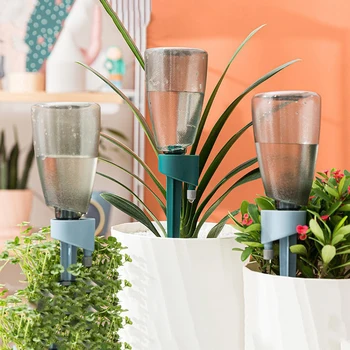
Use the “finger test”: insert your index finger 1 inch into the soil. If it feels dry, water; if it’s still moist, wait another day. Over‑watering is the leading cause of indoor plant failure (90 % of new growers report this).
Humidity Boost
Many indoor plants, especially tropical species, thrive at 50‑60 % humidity. Place a humidifier nearby, group plants together, or set the pot on a tray filled with pebbles and water to create a micro‑climate.
4. Ongoing Maintenance for Longevity
Pruning and Grooming
Trim yellowing leaves and dead stems monthly. For fast growers like Pothos, pinch back the vines to encourage bushier growth and prevent them from outgrowing their space.
Fertilizing Schedule
During the active growth period (spring‑summer), feed every 4‑6 weeks. Reduce feeding in fall‑winter when growth naturally slows.
Monitoring for Pests
Inspect leaves weekly for signs of spider mites, mealybugs, or aphids. A quick spray of diluted neem oil (1 tsp per quart of water) can control infestations without harming the plant.
5. Integrate Bug‑Resistant Flowers for a Healthier Ecosystem 🌸🌱
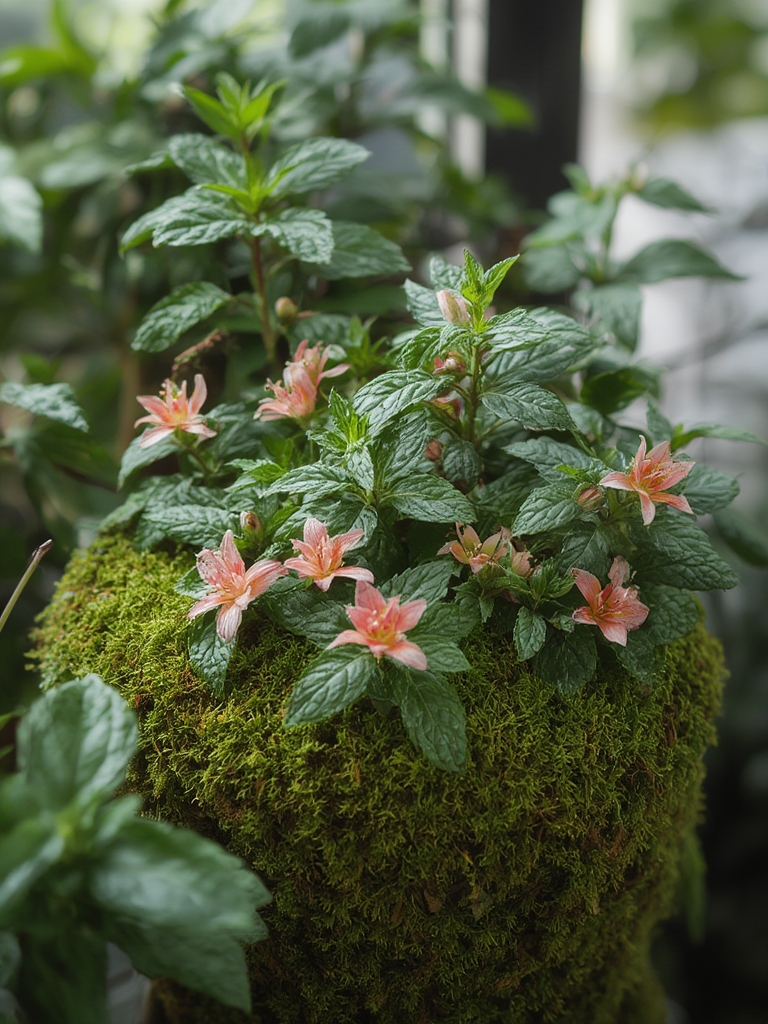
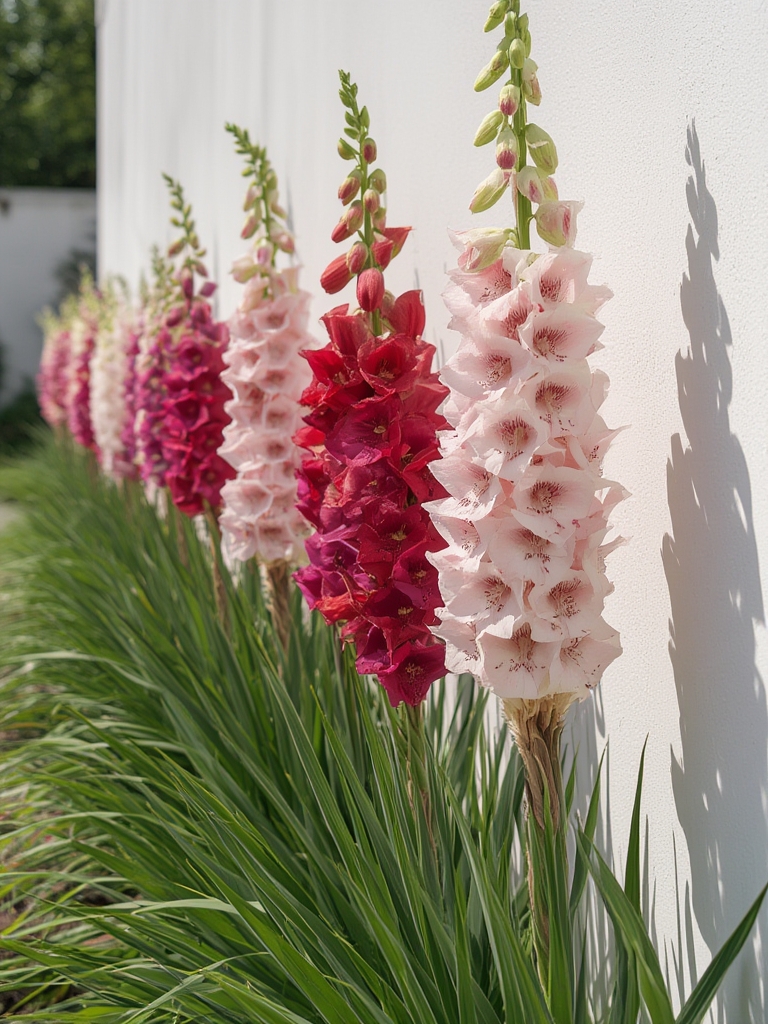
Select Indoor‑Friendly, Pest‑Deterring Blooms
Research shows that certain flowering plants emit volatile compounds that repel common indoor pests. Consider adding:
- Marigold (Tagetes spp.) – releases thiophene, deterring whiteflies and fungus gnats.
- Lavender (Lavandula angustifolia) – aromatic oils repel moths and flies.
- Petunias (Petunia × hybrida) – attract beneficial insects like ladybugs when placed near windows.
Planting Tips for Flowers
Use a well‑draining cactus mix (1 part potting soil, 1 part sand, 1 part perlite) to prevent water‑logging, which can encourage fungal growth. Position flowers where they receive at least 4–6 hours of indirect sunlight.
Maintain Without Sprays
Implement the following natural strategies:
- Companion Planting: Place a small pot of basil near your flowers; basil’s scent confuses pests.
- Sticky Traps: Hang yellow sticky cards near the foliage to catch flying insects.
- Regular Air Circulation: Use a low‑speed fan to keep leaves dry, reducing mold and pest habitats.
6. Data‑Driven Success Checklist
Weekly Routine
- Check soil moisture with finger test.
- Inspect leaves for pests or discoloration.
- Rotate pots 90° for even light exposure.
Monthly Routine
- Prune dead foliage.
- Apply liquid fertilizer (if in growth season).
- Clean pot rims and surrounding area to prevent dust buildup.
Seasonal Adjustments
In winter, reduce watering by 30 % and move plants away from drafty windows. Increase humidity by misting or using a pebble tray.
7. Quick Actionable Tips for Immediate Improvement
Boost Air Purification
Group a Spider Plant, Peace Lily, and Snake Plant together; studies from NASA’s Clean Air Study show this trio removes up to 90 % of common indoor pollutants like formaldehyde and benzene.
DIY Bug‑Resistant Spray
Mix 1 cup water, 1 tsp mild dish soap, and 1 tsp apple cider vinegar. Spray on leaves weekly; the acidity deters aphids without harming the plant.
Instant Humidity Hack
Place a small bowl of water with a few drops of essential oil (e.g., eucalyptus) on the windowsill. As the water evaporates, it raises humidity and adds a pleasant scent.
By following these evidence‑based steps and incorporating bug‑resistant flowering companions, you’ll cultivate a vibrant indoor garden that not only looks stunning but also supports a healthier, pesticide‑free environment. Happy planting!