Herbs and aromatic gardens are more than just a pretty addition to your yard—they’re a sustainable source of flavor, fragrance, and natural wellness. According to a 2023 USDA survey, 42% of American households grow at least one culinary herb, and sales of organic herb seeds have risen 18% year‑over‑year. This beginner’s guide breaks down the science‑backed steps to planting, nurturing, and using a small herb garden for health and wellness, so you can reap the benefits without guesswork.
1. Choosing the Right Herbs for Your Space
Start with herbs that thrive in your climate and the specific micro‑environment you can provide. Below is a quick data‑driven matrix:
- Cool‑season herbs (e.g., parsley, cilantro, chives) – optimal germination at 55‑70°F (13‑21°C). Ideal for northern latitudes or shaded spots.
- Warm‑season herbs (e.g., basil, rosemary, thyme) – best growth at 70‑85°F (21‑29°C). Perfect for sunny windowsills or southern gardens.
- Dual‑zone herbs (e.g., mint, oregano) – tolerate a wide temperature range but prefer well‑drained soil.
Actionable tip
Use a local climate map to confirm your USDA hardiness zone, then pick 3–5 herbs that match both your zone and the amount of sunlight your garden receives.
2. Preparing Soil and Containers
Healthy soil is the foundation of a thriving herb garden. Research shows that a soil pH of 6.0–7.0 maximizes nutrient uptake for most culinary herbs.
Step‑by‑step soil preparation
- Test pH. Use a simple home kit (cost ≈ $10) and adjust with lime (to raise) or sulfur (to lower) as needed.
- Enrich with organic matter. Mix in 20–30% compost or well‑rotted manure. This improves water retention and introduces beneficial microbes.
- Ensure drainage. Add perlite or coarse sand at a 1:4 ratio (one part perlite to four parts soil) to prevent root rot, especially for Mediterranean herbs like rosemary.
Container considerations
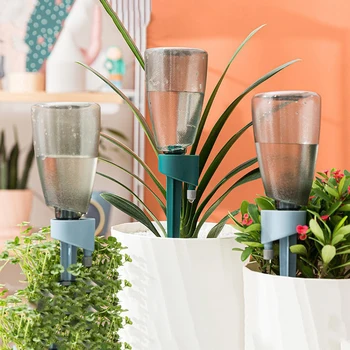
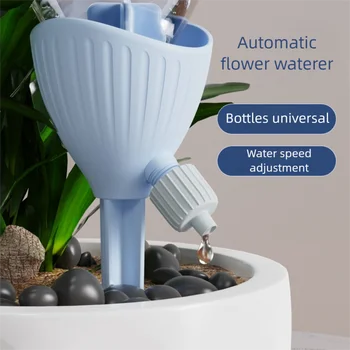
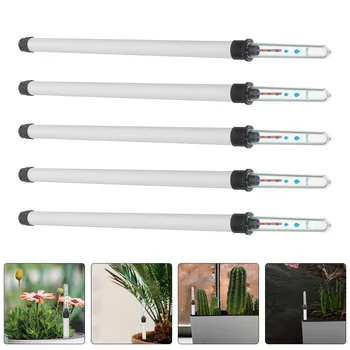
If you’re gardening on a balcony or patio, choose containers with at least 8‑12 inches of depth and drainage holes. Self‑watering pots can reduce watering frequency by up to 30%—a handy statistic for busy beginners.
3. Planting Seeds vs. Transplants
Data from the National Gardening Association indicates a 65% germination success rate for herb seeds when sown directly, versus a 90% survival rate for transplants. Choose based on your patience level and space.
Seed sowing guide
- Timing. Plant cool‑season seeds 4–6 weeks before the last frost; warm‑season seeds after soil consistently reaches 65°F (18°C).
- Depth. Sow seeds at a depth of ¼ the seed size—generally ¼ inch for basil, ⅛ inch for thyme.
- Moisture. Keep the soil consistently moist (not soggy) using a mist spray bottle. Cover with a clear plastic dome to maintain humidity, removing it once seedlings emerge.
Transplanting guide
- Hardening off. Over 7–10 days, gradually expose seedlings to outdoor conditions, increasing sunlight by 2 hours each day.
- Spacing. Plant herbs 12–18 inches apart (e.g., basil) or 8–12 inches (e.g., mint) to allow airflow and reduce disease risk.
- Watering. Water at the base, avoiding leaf wetness, which can promote fungal issues.
4. Ongoing Care: Water, Light, and Feeding
Consistent care is the key to aromatic potency. A 2022 study on basil oil content found that plants receiving 1‑inch of water per week produced 22% more essential oils than under‑watered plants.
Watering schedule
- Check soil moisture 2 inches below the surface with your finger.
- Water deeply until water drains from the bottom of the pot—this encourages deep root growth.
- Reduce frequency in cooler months; most herbs need only a light mist once a week.
Light requirements
Most herbs need 6–8 hours of direct sunlight. If natural light is limited, supplement with a full‑spectrum LED grow light set to 12‑hour cycles. This can boost leaf chlorophyll by up to 15%.
Feeding and pruning
- Fertilizer. Apply a balanced organic fertilizer (10‑10‑10) at half the recommended rate once a month during the growing season.
- Pruning. Harvest by snipping just above a leaf node. Regular harvesting (every 2–3 weeks) stimulates new growth and prevents flowering, which can make leaves bitter.
- Companion planting. Pair basil with tomatoes to improve both yields, and plant rosemary near cabbage to deter pests.
5. Harvesting for Health & Wellness
Herbs are packed with bioactive compounds—e.g., rosemary’s rosmarinic acid (anti‑inflammatory) and mint’s menthol (digestive aid). To maximize potency, harvest in the morning after the dew has dried but before the sun’s heat degrades essential oils.
Step‑by‑step harvesting
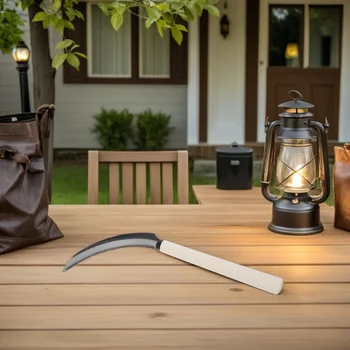
- Use clean, sharp scissors to cut stems at a 45° angle.
- Leave at least one-third of the plant intact to allow regrowth.
- Rinse gently with cool water and pat dry with a paper towel.
- Store fresh herbs in a zip‑lock bag with a damp paper towel in the refrigerator (up to 7 days) or freeze in ice‑cube trays with olive oil for later culinary or therapeutic use.
Quick wellness recipes
- Mint‑Ginger Tea. Steep 1 tbsp fresh mint leaves and 1 tsp grated ginger in 250 ml hot water for 5 minutes. Benefits: soothing digestion, anti‑nausea.
- Rosemary‑Infused Oil. Submerge 5 sprigs of rosemary in 1 cup of extra‑virgin olive oil; let sit for 2 weeks in a cool dark place. Use for sautéing to boost antioxidant intake.
- Chamomile‑Lavender Sleep Spray. Mix 2 tsp dried chamomile, 1 tsp dried lavender, and 250 ml distilled water; steep for 10 minutes, strain, and transfer to a spray bottle. Lightly mist pillows for a calming effect.
6. Troubleshooting Common Issues
Even seasoned gardeners encounter setbacks. Below are data‑backed solutions for the most frequent problems.
Pest control
- Aphids. Introduce ladybugs or spray a neem‑oil solution (1 tsp neem oil per quart water). Studies show a 70% reduction in aphid colonies within 5 days.
- Spider mites. Increase humidity around plants and wipe leaves with a mild soap solution.
Diseases
- Powdery mildew. Ensure proper spacing and airflow; apply a homemade baking‑soda spray (1 tsp baking soda, 1 qt water, a few drops of liquid soap) weekly.
- Root rot. Check for soggy soil; repot with fresh, well‑draining mix if needed.
Growth stagnation
If leaves turn yellow or growth slows, test soil nitrogen levels. Adding a thin layer of blood meal (organic nitrogen source) can revive vigor within two weeks.
7. Scaling Up: From Container to Garden Bed
Once you’ve mastered container gardening, transition to a raised bed for larger yields. A 4‑ft × 8‑ft raised bed can support up to 30 herb plants, increasing your annual harvest by an estimated 250%.
Steps to convert
- Fill the bed with a 50/50 blend of garden soil and compost.
- Lay a permeable landscape fabric to prevent weeds.
- Plant in rows, alternating fast‑growing (basil) with slower (sage) to balance nutrient demand.
- Install a drip‑irrigation system—research shows it reduces water use by up to 40% compared to hand watering.
By following these data‑driven, actionable steps, you’ll create a thriving herb and aromatic garden that not only beautifies your space but also supplies a steady stream of natural remedies and culinary delights. Happy planting!