Creating a thriving herbs and aromatic garden is both a sensory delight and a smart, sustainable choice for any homeowner. By selecting the right perennials, optimizing soil conditions, and following a data‑driven care routine, you can enjoy fresh flavors, fragrant blooms, and low‑maintenance beauty year after year. Below is a step‑by‑step guide that blends SEO‑friendly content with practical horticultural advice, ensuring your garden stays productive, attractive, and evergreen.
1. Choose the Right Perennial Herbs for Longevity
Perennial herbs return each season, reducing replanting effort and cost. Based on USDA hardiness zones 4‑9, the following varieties consistently rank high for flavor, fragrance, and durability:
- Lavender (Lavandula angustifolia) – thrives in full sun (6‑8 hours), prefers alkaline soil (pH 7.0‑8.0), and tolerates drought after establishment.
- Rosemary (Salvia rosmarinus) – needs 6‑8 hours of sun, well‑drained sandy loam, and moderate watering (once every 10‑14 days).
- Thyme (Thymus vulgaris) – tolerates partial shade (3‑4 hours), prefers slightly acidic to neutral soil (pH 6.0‑7.0), and requires minimal water.
- Oregano (Origanum vulgare) – full sun, well‑drained soil, and occasional feeding with a balanced 10‑10‑10 fertilizer.
- Mint (Mentha × piperita) – best contained in a pot or raised bed to prevent spreading; prefers moist, partially shaded conditions.
2. Prepare the Soil – Data‑Backed Foundations
2.1 Test and Amend Soil pH
Use a simple soil test kit (available at garden centers) to determine pH. Aim for the range specified for each herb. If the pH is too low, add lime at 5 lb per 100 sq ft; if too high, incorporate sulfur at 2 lb per 100 sq ft. Adjustments should be made 4‑6 weeks before planting to allow proper integration.
2.2 Improve Drainage and Structure
Perennial herbs dislike waterlogged roots. Incorporate 2‑3 inches of coarse sand or fine gravel into the top 6 inches of soil. For heavy clay soils, mix in 1 part compost to 2 parts native soil to boost organic matter and aeration.
3. Planting Layout – Low‑Maintenance Design Principles
Design a garden that minimizes watering, weeding, and pruning while maximizing visual appeal. Follow these layout tips:
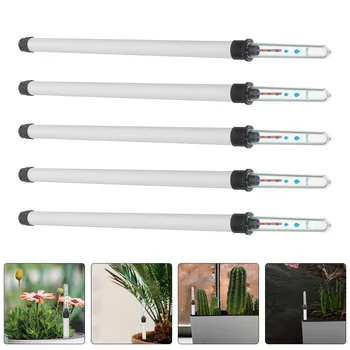
- Group by Water Needs: Plant drought‑tolerant herbs (lavender, rosemary) together on the sunniest, driest side. Place moisture‑loving herbs (mint, basil) in a shaded, low‑lying area.
- Use Mulch Strategically: Apply a 2‑inch layer of shredded bark or straw around each plant. Mulch retains moisture, suppresses weeds, and gradually adds organic matter.
- Incorporate Companion Plants: Pair aromatic herbs with low‑maintenance perennials like Coreopsis or Echinacea to fill gaps, attract pollinators, and reduce soil erosion.
- Plan for Seasonal Interest: Choose varieties with staggered bloom times—lavender (mid‑summer), oregano (late summer), thyme (early summer)—to keep the garden vibrant year‑round.
4. Planting Steps – Actionable, Easy‑to‑Follow Guide
4.1 Space and Depth
Follow these spacing guidelines to ensure air circulation and root expansion:
- Lavender: 24‑30 inches apart, plant at the same depth as the nursery pot.
- Rosemary: 30‑36 inches apart, bury the root ball just below soil level.
- Thyme & Oregano: 12‑18 inches apart, lightly press into the soil.
- Mint: 12‑15 inches apart, but preferably in a confined container.
4.2 Watering Schedule
After planting, water each herb thoroughly (≈ 1 inch of water). Thereafter, follow a data‑driven schedule:

- First 2 weeks: Light watering every 2 days to encourage root establishment.
- Weeks 3‑6: Reduce to once per week, allowing the top 2 inches of soil to dry.
- Established plants: Water only during prolonged drought (≥ 7 days without rain).
4.3 Feeding and Pruning
Apply a slow‑release organic fertilizer (e.g., 5‑5‑5) at a rate of 1 lb per 100 sq ft in early spring. Prune lightly after the first bloom to encourage bushier growth:
- Lavender: Trim 1/3 of the flower spikes, avoiding woody stems.
- Rosemary: Snip back 2‑3 inches of new growth, preserving the lower foliage.
- Thyme & Oregano: Harvest leaves regularly; this doubles as pruning.
- Mint: Trim runners weekly to prevent spreading.
5. Ongoing Care – Small Actions for Big Results
5.1 Pest Management
Monitor for aphids, spider mites, and whiteflies. A quick spray of neem oil (2 ml per liter of water) applied early morning once a month keeps infestations low without harming beneficial insects.
5.2 Seasonal Adjustments
In colder zones (USDA 4‑5), protect lavender and rosemary with a breathable frost cloth during winter freezes. In hot zones (USDA 9‑10), provide a light shade cloth during peak summer to prevent leaf scorch.
5.3 Harvest Techniques
Harvest herbs in the morning after dew dries for maximum essential oil content. Use clean, sharp scissors and cut just above a leaf node to stimulate new growth. Store fresh herbs in a damp paper towel in the refrigerator for up to 7 days, or dry them in a low‑heat oven (95 °F) for long‑term storage.
6. Measuring Success – Track Your Garden’s Performance
Keep a simple garden journal (digital or paper) with the following data points:
- Date of planting and variety.
- Soil pH and amendment amounts.
- Watering frequency and volume.
- Growth milestones (e.g., first bloom, height).
- Pest incidents and treatments.
Analyzing this data over a season reveals patterns—such as optimal watering intervals or the need for additional mulch—allowing you to fine‑tune the garden for the next year.
7. Final Thoughts – A Perennial Aromatic Oasis
By selecting hardy perennials, preparing soil based on measurable pH and drainage data, and following a structured planting and maintenance routine, you’ll create a low‑maintenance herb garden that stays fresh, fragrant, and visually appealing for years to come. The combination of practical steps, data‑driven decisions, and seasonal adjustments ensures that even busy homeowners can enjoy a garden that never goes out of style. Happy planting, and may your garden fill every corner of your home with delightful aromas and flavors! 🌼🏡