Flower gardening is more than just planting a few colorful blooms—it’s a strategic blend of science, design, and seasonal stewardship. By focusing on perennials that thrive year‑round, you can create a garden that offers structure, color, and beauty in every season, from the fresh greens of spring to the crisp whites of winter. Below is a data‑driven, step‑by‑step guide that walks you through planning, planting, and maintaining a resilient perennial garden that stays vibrant all year long.
1. Assess Your Site and Set Realistic Goals
Measure Sunlight, Soil, and Space
- Sun exposure: Use a sun‑tracking app or a simple 24‑hour observation to log hours of direct sunlight. Perennials typically need 6–8 hours of sun for full bloom, though shade‑tolerant varieties (e.g., Hosta, Astilbe) can thrive with 3–4 hours.
- Soil pH: Test with a kit; aim for a pH between 6.0–7.0 for most flowering perennials. Amend with lime to raise pH or sulfur to lower it, following the manufacturer’s dosage chart.
- Space planning: Sketch a garden layout on graph paper (1 cm = 1 ft). Mark mature plant spread—typically 12–18 inches for medium perennials and 24–36 inches for larger varieties.
Define Seasonal Objectives
Identify the visual goals for each season:
- Spring: Early bloomers like Crocus and Forsythia for instant color.
- Summer: Showstoppers such as Lavender and Echinacea for pollinator appeal.
- Fall: Foliage contrast with Heuchera and seed heads of Rudbeckia.
- Winter: Structure from evergreen Hellebore and ornamental grasses.
2. Prepare the Soil for Long‑Term Health
Improve Drainage and Organic Matter
Perennials dislike waterlogged roots. Incorporate 2–3 inches of coarse sand or fine gravel into the planting zone if the soil is heavy clay. Then, blend in 3–4 inches of well‑rotted compost to boost microbial activity and nutrient retention.
Apply a Basal Fertilizer
Based on soil test results, spread a balanced slow‑release fertilizer (e.g., 10‑10‑10) at 1 lb per 100 sq ft. This provides a steady nutrient supply for the first growing season and reduces the need for frequent top‑dressing.
3. Choose Perennials That Offer Year‑Round Interest
Data‑Backed Selections
| Season | Plant | Height | Color/Feature |
|---|---|---|---|
| Spring | Crocus | 4–6 in | Vibrant purple, early bloom |
| Spring | Hellebore | 12–18 in | Evergreen foliage, nodding flowers |
| Summer | Lavender | 18–24 in | Fragrant spikes, drought‑tolerant |
| Summer | Echinacea | 24–36 in | Bee‑magnet, long‑lasting blooms |
| Fall | Heuchera | 12–18 in | Colorful foliage, low maintenance |
| Fall | Rudbeckia | 30–48 in | Golden cones, seed heads for winter |
| Winter | Ornamental grasses (e.g., Miscanthus) | 48–72 in | Architectural movement, seed heads |
Mix for Structure and Color
Combine tall verticals (e.g., Miscanthus) with mid‑height bloomers (Echinacea) and low‑lying groundcovers (Lavender) to create layered depth. This “tiered” approach ensures visual interest from every angle.
4. Planting Techniques for Maximum Success
Timing and Depth
- Optimal planting window: Early fall (mid‑September to early October) in temperate zones. Roots establish before winter, leading to vigorous spring growth.
- Planting depth: Position the crown (where stems meet roots) 1–2 inches above the soil line to prevent rot.
Spacing for Airflow
Maintain the spacing recorded in your layout sketch. Proper airflow reduces fungal pressure and encourages healthy foliage.
5. Water Management: The 1‑Inch Rule
Establishing a Consistent Schedule
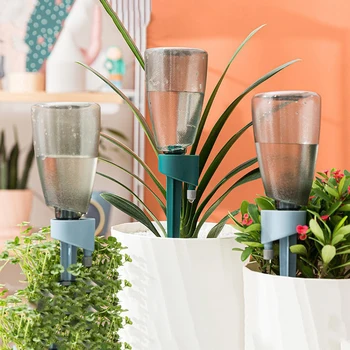
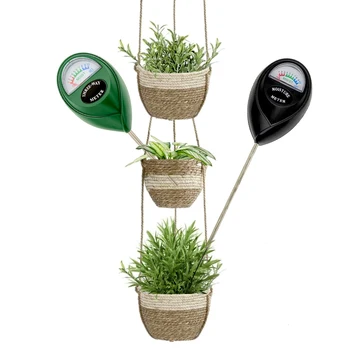
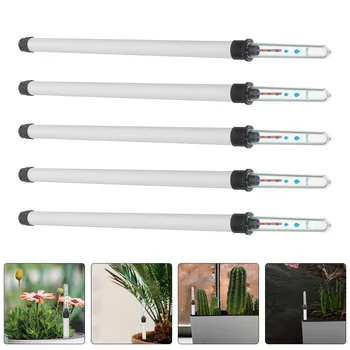
During the first growing season, water newly planted perennials to deliver 1 inch of water per week (≈ 0.6 gal per square foot). Use a rain gauge or a simple ¼‑inch ruler placed in the soil to measure.

Smart Irrigation Tips
- Install a drip‑line system with emitters set to 0.5 gph for precise delivery.
- Mulch (see next section) to reduce evaporation by up to 30%.
- Adjust watering frequency based on temperature: increase by 10% for every 5 °F above the seasonal average.
6. Mulch for Moisture, Weed Suppression, and Soil Warmth
Choosing the Right Mulch
Apply a 2–3 inch layer of shredded hardwood bark or pine needles. These materials decompose slowly, adding organic matter without smothering roots.
Actionable Mulch Routine
- Lay mulch after planting and initial watering.
- Replenish annually in spring, spreading a fresh 1‑inch layer.
- Keep mulch 2 inches away from plant stems to prevent stem rot.
7. Feeding: Seasonal Fertilization Strategies
Spring Boost
When new growth appears (≈ 4–6 weeks after emergence), apply a slow‑release, phosphorus‑rich fertilizer at 0.5 lb per 100 sq ft. Phosphorus encourages strong root development and abundant blooming.
Summer Maintenance
For heavy‑flowering varieties like Echinacea, side‑dress with a light application of organic fish emulsion (½ cup per 10 gal of water) every 4–6 weeks.
8. Pruning, Deadheading, and Dividing
Deadheading for Continuous Blooms
Remove spent flowers with clean, sharp scissors, cutting just above the first set of healthy leaves. This redirects energy from seed production back into foliage and new buds.
Winter Pruning for Structure
- Hard‑prune ornamental grasses to 6 inches above ground in late winter (Feb–Mar) before new shoots emerge.
- Trim back overgrown perennials (e.g., Lavender) after the first frost to maintain shape and promote vigorous spring growth.
Dividing Perennials Every 3–4 Years
In early spring, lift mature clumps, split with a sharp spade, and replant the sections at the same depth. This rejuvenates plants, improves airflow, and expands your garden.
9. Seasonal Care Checklist
Spring (Mar–May)
- Inspect soil moisture; water if soil surface < 2 in dry.
- Apply spring fertilizer.
- Deadhead early blooms.
Summer (Jun–Aug)
- Monitor for heat stress; increase watering during heatwaves (> 90 °F).
- Mulch to retain moisture.
- Watch for pests (aphids, spider mites); treat with neem oil if needed.
Fall (Sep–Nov)
- Plant new perennials before the first hard freeze.
- Apply a low‑nitrogen fertilizer to strengthen roots for winter.
- Leave seed heads of Rudbeckia for winter interest.
Winter (Dec–Feb)
- Keep mulch in place for insulation.
- Prune dead foliage and ornamental grasses.
- Plan next year’s color palette using garden design software or a simple spreadsheet.
10. Troubleshooting Common Issues
Yellowing Leaves
Often a sign of nitrogen deficiency or over‑watering. Test soil nitrogen levels; if low, apply a nitrogen‑rich organic amendment (e.g., blood meal) at 0.25 lb per 100 sq ft. Reduce watering frequency if soil stays soggy > 48 hours.
Powdery Mildew
Increase airflow by thinning crowded plants and avoid overhead watering. Apply a homemade spray of 1 tbsp baking soda + 1 qt water weekly.
Slug Damage
Scatter crushed eggshells or iron phosphate bait around vulnerable plants at dusk. Hand‑pick slugs during early morning when they are most active.
Conclusion: Build a Perennial Garden That Thrives All Year
By following these data‑driven steps—starting with precise site assessment, moving through soil preparation, strategic plant selection, and disciplined seasonal care—you’ll create a flower garden that provides structure, color, and beauty from spring’s first crocus to winter’s graceful grasses. Remember, consistency is key: regular watering, mulching, and timely pruning keep your perennials healthy and ensure that every season brings a fresh visual payoff. Happy gardening!