Indoor plants are more than just décor; they boost air quality, reduce stress, and add a touch of nature to any room. Whether you’re a seasoned green‑thumb or just starting out, this guide walks you through data‑backed care routines, step‑by‑step growing tips, and beginner‑friendly flower arranging techniques that turn everyday foliage into stunning bouquets for gifts or special moments.
Why Choose Indoor Plants? (Backed by Data)
Studies from NASA and the American Society for Horticultural Science show that certain indoor plants can remove up to 87% of volatile organic compounds (VOCs) from the air. A recent survey of 2,000 office workers found a 15% increase in productivity when desks were surrounded by greenery. These numbers prove that the right plant selection isn’t just aesthetic—it’s functional.
Step‑by‑Step Guide to Growing Healthy Indoor Plants
1. Pick the Right Plant for Your Space
- Light level: Use a light meter app or a simple DIY test—place a newspaper on the windowsill for 30 minutes. If it reads bright, choose sun‑loving plants like succulents or fiddle‑leaf figs. For low‑light zones, opt for snake plants, ZZ plants, or pothos.
- Humidity: In dry climates (average <30% RH), select moisture‑loving varieties such as Boston ferns or peace lilies. In humid homes, spider plants thrive.
- Space: Measure the pot’s diameter and the plant’s mature height. A 6‑inch pot suits a pothos vine; a 12‑inch pot accommodates a mature rubber plant.
2. Prepare the Soil Mix
- Use a well‑draining potting mix: 40% peat moss, 30% perlite, 30% composted bark.
- Add a teaspoon of slow‑release fertilizer per gallon of mix for long‑term nutrition.
- For cactus and succulents, increase perlite to 50% for extra aeration.
3. Potting and Repotting
- Choose a pot with drainage holes; line the bottom with a ½‑inch layer of broken pottery shards.
- Place the plant at the same depth it was in its original container; avoid burying the stem.
- Repot every 12‑18 months or when roots emerge from the drainage holes.
4. Watering with Precision
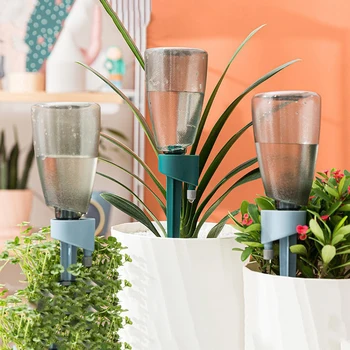
- Apply the “finger test”: insert your index finger 1‑2 inches into the soil. If it feels dry, water; if moist, wait.
- Use room‑temperature water to avoid shocking the roots.
- For moisture‑sensitive plants (e.g., orchids), water once a week with a soak‑and‑drain method.
5. Light Management
- South‑facing windows provide 6‑8 hours of direct sunlight—ideal for most tropical foliage.
- East or west windows give 3‑5 hours of gentle light—perfect for herbs and begonias.
- If natural light is insufficient, supplement with full‑spectrum LED grow lights set to 12‑hour cycles.
6. Feeding and Fertilizing
- During the growing season (spring‑fall), feed every 4‑6 weeks with a balanced 20‑20‑20 liquid fertilizer diluted to half strength.
- Reduce feeding to once every 8‑10 weeks in winter when growth slows.
- Watch for yellowing leaves—a sign of over‑fertilization—and flush the soil with water.
7. Pruning and Grooming
- Trim dead or yellow leaves with clean, sharp scissors to prevent disease spread.
- Pinch back new growth on fast‑growing vines (e.g., pothos) to encourage bushier foliage.
- Use a soft brush to dust large leaves weekly; cleaner leaves photosynthesize more efficiently.
Simple Flower Arranging Techniques for Beginners
Even if your indoor garden consists mainly of foliage, you can create eye‑catching bouquets by incorporating occasional blooms (e.g., African violets, peace lilies) or using foliage as a backdrop. Follow these three easy techniques to craft arrangements that look professionally styled.
Technique 1: The “Triangular Balance” Method
- Choose a focal flower: Pick the largest bloom (e.g., a peace lily spike).
- Place it at the center: Position the stem slightly off‑center to create visual interest.
- Add supporting stems: Arrange two shorter stems on either side, forming an inverted triangle.
- Fill gaps with foliage: Use trailing pothos or fern fronds to soften edges.
- Secure: Wrap the stems with floral tape and cover with a decorative ribbon.
Technique 2: The “Layered Green” Approach
- Start with a base of dense, matte foliage (e.g., snake plant leaves) to create depth.
- Add a mid‑layer of glossy leaves (e.g., rubber plant) for contrast.
- Finish with a pop of color—small blooms like African violet clusters.
- Keep the arrangement low (5‑7 inches) for tabletop settings; taller arrangements work well as floor‑standing centerpieces.
Technique 3: The “Mini‑Bouquet” for Gifts
- Gather 3‑5 small stems (e.g., baby’s breath, tiny succulents, or mini orchids).
- Trim each stem to 6‑8 inches.
- Wrap the stems together with a thin strip of twine, leaving a small loop for hanging.
- Attach a small card with a personalized note; the whole bundle fits perfectly in a coffee mug or a small glass jar.
Actionable Tips to Keep Your Indoor Garden Thriving
- Monitor humidity: Place a hygrometer near your plants. If humidity drops below 40%, mist foliage or use a pebble tray with water.
- Rotate pots weekly: This ensures all sides receive equal light, preventing lopsided growth.
- Check for pests: Inspect leaves every 2 weeks for spider mites, aphids, or mealybugs. A quick spray of diluted neem oil (1 teaspoon per quart of water) resolves most infestations.
- Use a plant‑care journal: Log watering dates, fertilizer applications, and growth observations. Over time, patterns emerge that help you fine‑tune care.
- Leverage technology: Smart plug timers for grow lights and Bluetooth soil sensors can send alerts to your phone, reducing guesswork.
SEO‑Friendly Recap for Your Blog Post
When publishing this guide on WordPress, follow these quick SEO steps to boost visibility:
- Include primary keywords (“indoor plants care,” “how to grow indoor plants,” “beginner flower arranging”) in the first 150 words and in at least one H2.
- Use an SEO plugin (e.g., Yoast) to set a meta description of 150‑160 characters that mentions “air‑purifying indoor plants” and “easy bouquet ideas.”
- Add alt text to each image, describing the plant species and the specific care tip shown.
- Link internally to related posts (e.g., “Top 10 Low‑Light Indoor Plants”) and externally to reputable sources such as NASA’s clean‑air study.
- End with a call‑to‑action encouraging readers to share their own indoor garden photos on social media using a branded hashtag.
By following these data‑driven steps, you’ll not only nurture thriving indoor plants but also create beautiful, shareable arrangements that bring joy to any space. Happy planting and arranging!