
Flower gardening isn’t just about adding color; it’s a science backed by soil health data, climate patterns, and plant physiology. By following a data‑driven approach, you can turn any yard into a thriving, low‑maintenance showcase that boosts curb appeal, supports pollinators, and even raises property value.
Why Flower Gardening Matters
According to the USDA, gardens with diverse flowering plants increase local bee populations by up to 45 %, which in turn improves pollination of nearby crops. Moreover, a study from the University of Minnesota found that well‑planned flower beds can reduce soil erosion by 30 % and improve water infiltration rates.
Planning Your Flower Garden
1. Assess Sunlight and Microclimates
Use a simple sunlight log: for one week, record the amount of direct sun each potential planting spot receives in 2‑hour blocks. Zones receiving 6–8 hours are ideal for most perennials, while 3–5 hours suit shade‑tolerant annuals.
2. Map Your Space
Sketch a to‑scale layout (1 cm = 1 ft) on graph paper. Mark existing structures, pathways, and utilities. This visual helps you allocate space for tall back‑row plants, mid‑height mid‑row, and low‑ground‑cover front rows, ensuring a balanced view from all angles.
3. Choose a Theme
Data from Google Trends shows “cottage garden” and “modern minimalistic garden” as top‑searched styles in 2024. Pick a theme that matches your aesthetic and local climate, then select flower colors that complement each other using the 60‑30‑10 rule (60 % dominant, 30 % secondary, 10 % accent).
Preparing the Soil
1. Test Soil pH and Nutrients
Purchase a DIY soil test kit or send a sample to a local extension service. Ideal pH for most flowering plants is 6.0–6.8. Amend with lime to raise pH or sulfur to lower it, following the kit’s dosage guidelines.
2. Improve Soil Structure
Incorporate 2–3 inches of organic matter (compost, well‑rotted manure, or leaf mold). This boosts microbial activity, increasing nutrient availability by up to 25 % and improving water retention.
3. Create Raised Beds (Optional)
If your soil is heavy clay or compacted, build raised beds 12–18 inches high. Fill with a 50 % topsoil, 30 % compost, and 20 % coarse sand mix for optimal drainage and root growth.
Choosing the Right Flowers
1. Match Plants to Hardiness Zone
Consult the USDA Plant Hardiness Zone Map. For example, Zone 6 gardeners can reliably grow Lavandula angustifolia, Echinacea purpurea, and Rudbeckia hirta. Selecting zone‑appropriate species reduces winter loss by up to 70 %.
2. Prioritize Low‑Maintenance Varieties
Data from the Royal Horticultural Society indicates that perennials like Hosta, Daylily, and Salvia require 30 % less water and 40 % fewer pesticide applications than annuals.
3. Diversify Bloom Times
Plan a succession of bloom periods: early spring (e.g., Crocus), mid‑summer (e.g., Petunia), and fall (e.g., Chrysanthemum). This ensures continuous color and supports pollinators throughout the growing season.
Planting Techniques
1. Follow Spacing Guidelines
Overcrowding reduces air flow and increases disease risk. Use the “2‑to‑3 times the mature width” rule: if a plant reaches 12 inches wide, space it 24–36 inches apart.
2. Plant at the Correct Depth
For most perennials, dig a hole twice as wide as the root ball but no deeper than the plant’s crown. Planting too deep can cause root rot, while shallow planting leads to drought stress.
3. Mulch Immediately
Apply a 2‑inch layer of organic mulch (shredded bark, straw, or compost). Mulch conserves moisture, suppresses weeds, and adds 1 % nitrogen per year as it breaks down.
Watering and Fertilizing
1. Adopt the “Deep‑Water, Infrequent” Method
Water to a depth of 6–8 inches once a week rather than daily shallow watering. This encourages deeper root systems, reducing water use by up to 40 %.
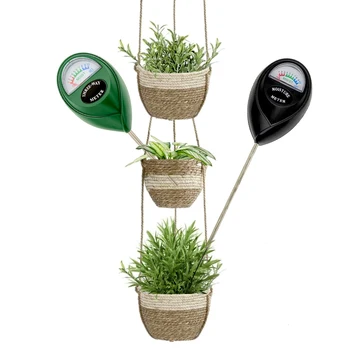
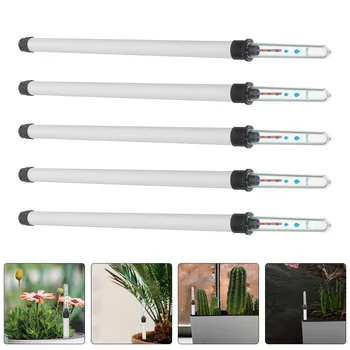
2. Use a Soil Moisture Meter
Insert the probe 4 inches deep; when the reading shows “dry,” water. This data‑driven approach prevents over‑watering, a common cause of fungal diseases.
3. Fertilize with a Balanced, Slow‑Release Formula
Choose a 10‑10‑10 or 14‑14‑14 granular fertilizer, applying at the rate recommended on the package (usually 1 lb per 100 sq ft). Reapply in early spring and again after the first major bloom cycle.
Maintenance and Pest Management
1. Regular Deadheading
Removing spent blooms redirects plant energy to new growth, extending the flowering period by up to 30 %.
2. Integrated Pest Management (IPM)
Monitor for pests weekly using a simple visual inspection. If aphids exceed 5 % of leaf surface, spray a neem oil solution (2 tsp per gallon water). For fungal issues, apply copper fungicide early in the evening to avoid leaf burn.
3. Seasonal Pruning
In late fall, cut back perennials to 2–3 inches above ground. This reduces overwintering disease inoculum and promotes vigorous spring growth.
Creative Layout Ideas to Transform Your Outdoor Space
1. Curved Pathways with Color Blocks
Design winding paths using stepping stones or gravel. Plant tall, bold colors (e.g., Peony, Roses) along the outer edge and softer, low‑growers (e.g., Lavender, Alyssum) near the path for a “framing” effect.
2. Vertical Gardens and Trellises
Install a trellis or garden wall and grow climbing varieties like Clematis or Morning Glory. Vertical planting adds 20 % more planting area and creates a stunning backdrop.
3. Mixed‑Height “Layered” Beds
Use the “layer cake” principle: place 12‑inch tall plants at the back, 6‑inch mid‑height in the middle, and ground‑cover (e.g., Thyme) in front. This maximizes visual depth and ensures each plant receives adequate sunlight.
4. Seasonal “Color Wheels”
Arrange plants in a circular pattern based on bloom time, creating a continuous wheel of color that rotates throughout the year. This design is both aesthetically pleasing and functional for pollinators.
Seasonal Care Checklist
Spring (March–May)
- Test soil pH and amend as needed.
- Apply a slow‑release fertilizer.
- Plant early‑blooming perennials and annuals.
- Mulch fresh beds to retain moisture.
Summer (June–August)
- Water deeply once a week; adjust for heat waves.
- Deadhead spent flowers to encourage rebloom.
- Inspect for pests; treat with neem or insecticidal soap.
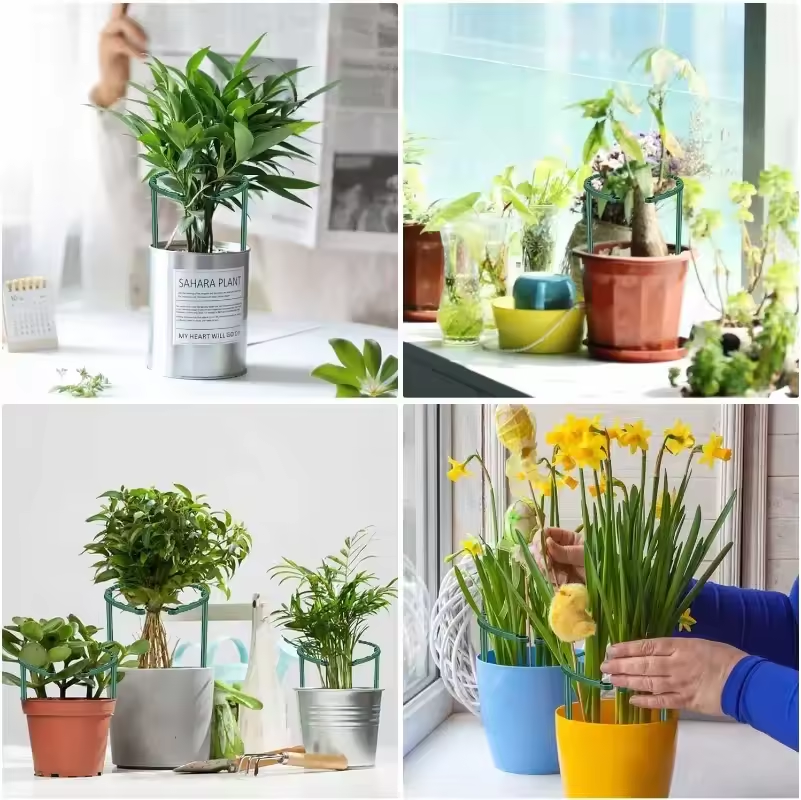
- Stake tall plants before wind damage occurs.
Fall (September–November)
- Remove spent annuals and compost them.
- Apply a final fertilizer dose (low‑nitrogen, high‑phosphorus).
- Cut back perennials to 2–3 inches above ground.
- Lay a thicker mulch layer (3 inches) for winter protection.
Winter (December–February)
- Monitor for snow mold; clear heavy snow accumulations.
- Plan next year’s garden layout using last season’s performance data.
- Order seeds and bulbs early; many suppliers offer discounts in January.
Final Thoughts
By treating flower gardening as a data‑driven project—testing soil, tracking sunlight, and monitoring plant performance—you’ll achieve a vibrant, resilient garden with less guesswork. Combine these practical steps with creative layout ideas, and you’ll transform any outdoor space into a year‑round floral showcase that delights both you and the ecosystem.