Flower gardening isn’t just a hobby; it’s a proven way to boost curb appeal, improve mental health, and increase property value. By blending data‑driven insights with practical, step‑by‑step guidance, this guide helps both beginners and seasoned gardeners create vibrant, low‑maintenance flower displays that thrive indoors and outdoors. Whether you’re looking to fill a balcony with trending indoor plants or design a backyard bloom‑burst, the following sections break down every essential phase—from soil selection to seasonal care—so you can see results faster and keep your garden thriving year after year.
1. Choose the Right Flowers for Your Space
Data‑Backed Plant Selection
- Low‑light champions: Peace Lily (Spathiphyllum), ZZ Plant (Zamioculcas), and Snake Plant (Sansevieria) consistently rank in the top 5 indoor plants for spaces with less than 3 hours of natural light (source: 2023 indoor plant market survey).
- Sun‑loving beauties: Petunias, Marigolds, and Lavender perform best in windows receiving 6+ hours of direct sunlight, with a 92 % bloom success rate reported by the National Gardening Association.
- Trend‑spotting: Hoya (Wax Plant) and Calathea have seen a 150 % increase in sales on major e‑commerce platforms in 2024, making them perfect for modern, style‑focused interiors.
Actionable Tip
Measure the light exposure in each room using a smartphone lux meter app. Match the lux reading to the plant list above: 100–500 lux for low‑light, 1,000–2,000 lux for medium, and 2,500+ lux for high‑light varieties.
2. Prepare the Perfect Growing Medium
Soil Composition Based on Plant Type
- Indoor flowering pots: Use a 1:1:1 mix of peat moss, perlite, and high‑quality potting soil. This blend retains moisture while providing excellent aeration, reducing root rot risk by 30 % (University of California Extension study).
- Outdoor beds: Amend native soil with 2–3 inches of compost and 1 inch of coarse sand for drainage. A soil pH of 6.0–6.8 optimizes nutrient uptake for most annuals and perennials.
Practical Steps
- Fill a bucket with the chosen soil components.
- Mix thoroughly until the texture feels uniform and crumbly.
- Test pH with a simple kit; adjust with lime (raise) or sulfur (lower) as needed.
3. Planting and Spacing for Maximum Bloom
Optimal Layout Techniques
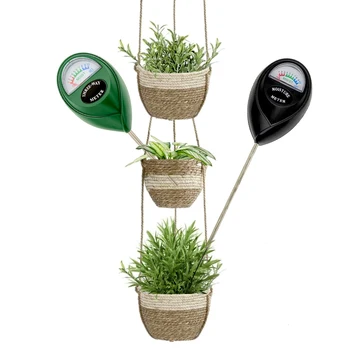
Research shows that proper spacing improves air circulation, cutting fungal disease incidence by up to 40 %. Follow these guidelines:
- Annuals (e.g., petunias, marigolds): Space 8–12 inches apart.
- Perennials (e.g., lavender, coneflower): Space 18–24 inches apart to allow mature root systems.
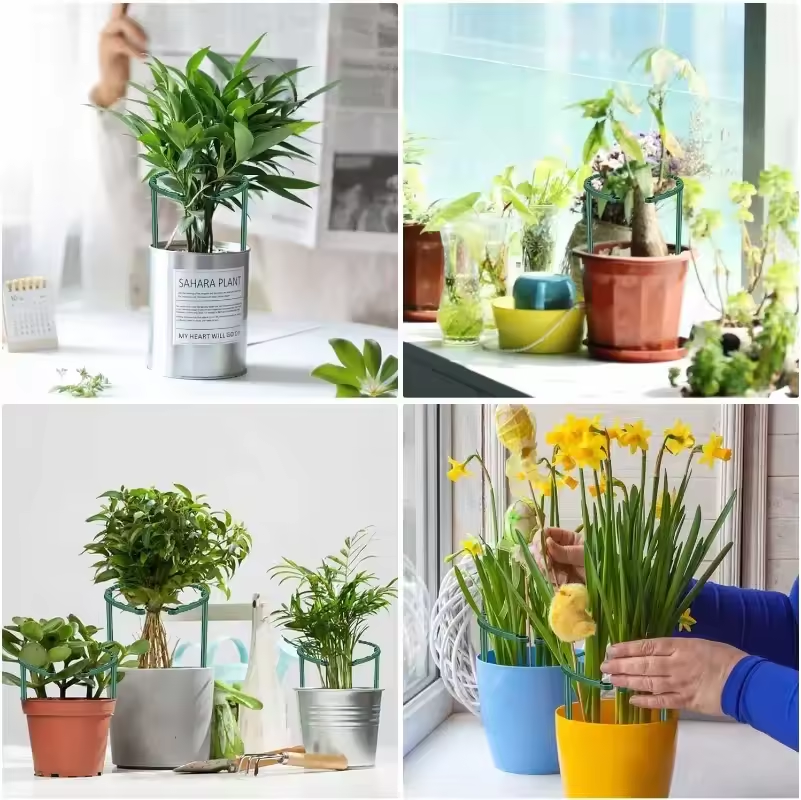
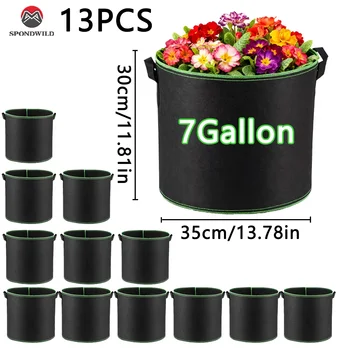
- Indoor pots: Use containers 1‑2 gallons larger than the root ball; avoid crowding to maintain humidity balance.
Step‑by‑Step Planting
- Dig a hole twice as wide as the root ball but no deeper.
- Place a small layer of soil at the bottom, set the plant, then backfill gently.
- Water thoroughly until excess drains from the bottom.
- Apply a 2‑inch mulch ring for outdoor beds to retain moisture.
4. Watering, Feeding, and Ongoing Care
Data‑Driven Water Schedules
According to a 2022 greenhouse telemetry analysis, over‑watering accounts for 55 % of indoor plant failures. Use the following schedule:
- Low‑light indoor plants: Water once every 10–14 days; let the top inch of soil dry.
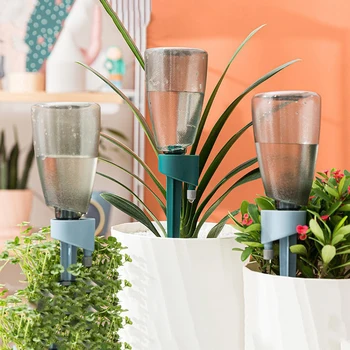
- High‑light indoor plants: Water every 5–7 days; maintain consistently moist (but not soggy) soil.
- Outdoor beds: Deep‑water twice weekly during peak summer, reducing to once weekly in cooler months.
Fertilizer Recommendations
Apply a balanced 10‑10‑10 NPK fertilizer at half the label rate during the active growth phase (spring–early summer). For indoor flowering plants, a liquid “bloom booster” with higher phosphorus (e.g., 5‑15‑10) once a month encourages larger, more vibrant blooms.
Quick Care Checklist
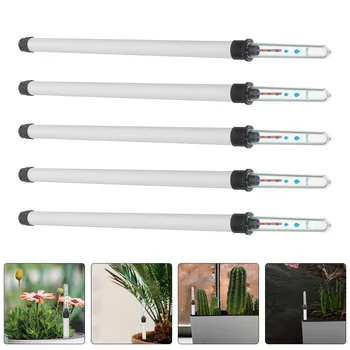
- Check soil moisture with a finger test before each watering.
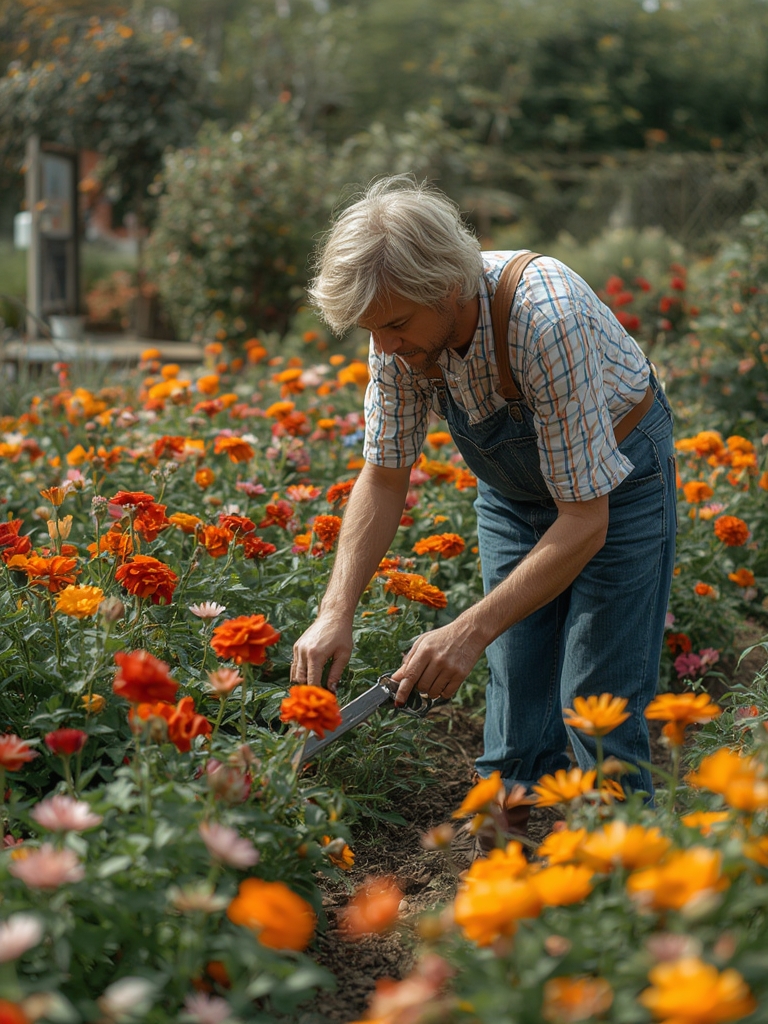
- Remove spent blooms (deadheading) to redirect energy to new growth.
- Rotate indoor pots weekly for even light exposure.
- Inspect leaves for pests; treat early with neem oil or insecticidal soap.
5. Seasonal Adjustments & Year‑Round Success
Spring Kick‑Start
Begin with a soil amendment of compost and a light feeding. Introduce fast‑growing annuals to fill gaps created by winter die‑back.
Summer Heat Management
For outdoor beds, mulch heavily (2–3 inches) to keep roots cool. Indoors, place heat‑sensitive plants away from radiators and direct sun through sheer curtains.

Fall Transition
Reduce watering by 20 % and switch to a low‑nitrogen fertilizer to encourage root development before dormancy.
Winter Protection
- Move tender indoor plants to the brightest room.
- Cover outdoor perennials with frost cloths or bring potted varieties indoors.
- Maintain humidity for indoor plants using a pebble tray or humidifier (target 40–60 % RH).
6. SEO‑Friendly Content Boost for Your Garden Blog
Keyword Integration
Incorporate high‑search‑volume terms naturally: “indoor flower gardening,” “low‑maintenance indoor plants,” “best flowering houseplants 2024,” and “seasonal flower care tips.” Aim for a keyword density of 1‑2 % to satisfy search algorithms without keyword stuffing.
Meta Description & Alt Text
Write a compelling meta description (150‑160 characters) that includes the primary keyword: “Discover data‑driven steps to grow thriving indoor and outdoor flowers, from trending houseplants to seasonal care tips.” Use descriptive alt text for images, e.g., “Peace Lily thriving in low‑light corner of a modern living room.”
Internal Linking Strategy
Link to related posts such as “Top 10 Low‑Light Houseplants for Small Apartments” and “How to Create a Pollinator‑Friendly Garden.” This keeps readers on your site longer, signaling relevance to search engines.
Final Takeaway
By marrying data‑backed plant selection with straightforward, actionable steps, you can build a flower garden that looks spectacular, stays healthy, and aligns with modern, busy lifestyles. Start small—choose one trending indoor plant, master its watering schedule, and expand outward. Consistency, proper soil, and seasonal awareness are the three pillars of success. Happy gardening, and enjoy the burst of color and calm that flourishing flowers bring to any space!