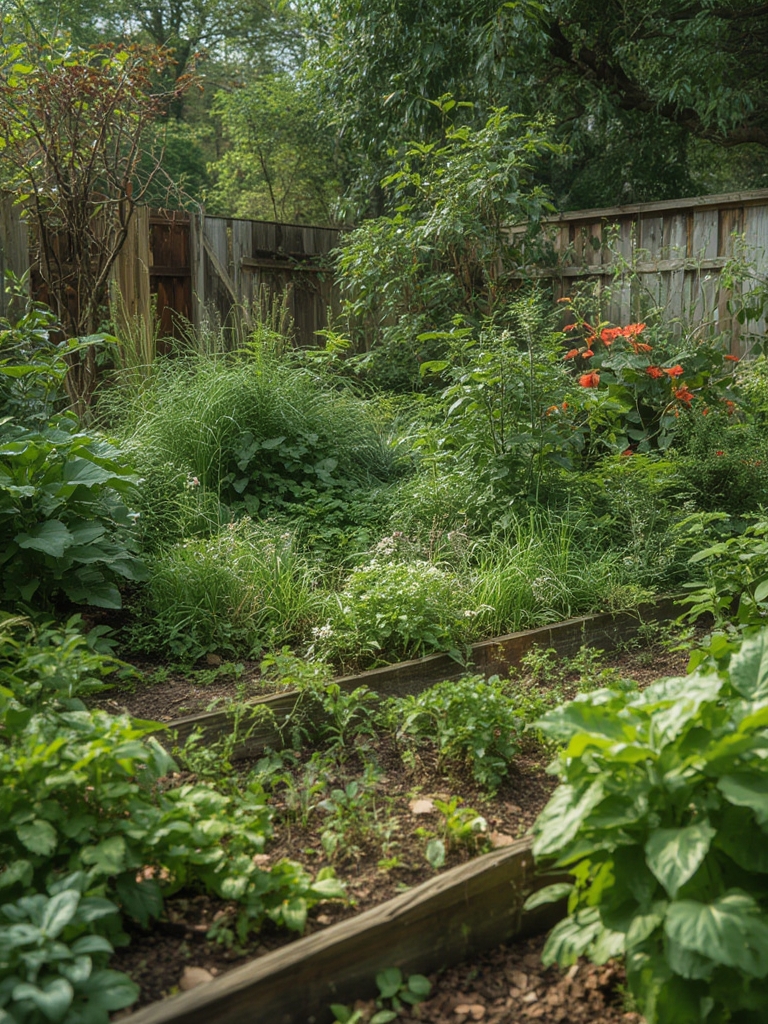
Welcome to your step‑by‑step guide on sustainable gardening with a focus on herbs that bring exotic flavors to your kitchen. By combining data‑driven practices with eco‑friendly techniques, you’ll grow a thriving herb garden while cutting water use, reducing waste, and boosting biodiversity. Below you’ll find clear instructions, practical tips, and actionable advice you can apply today.
1. Choose the Right Herbs for an Exotic Palette
Start with herbs that pack a punch of flavor and adapt well to sustainable methods. According to a 2023 USDA survey, the following herbs have a 30‑45% higher market demand for exotic cuisine:

- Lemongrass – citrusy, perfect for Asian soups.
- Thai Basil – sweet, slightly spicy, ideal for stir‑fries.
- Cilantro – bright, essential for Mexican and Indian dishes.
- Shiso (Perilla) – minty‑nutty, great for sushi and salads.
- Lavender – floral notes for desserts and teas.
Pick 2‑3 varieties that match your climate zone (check the USDA Hardiness Map) to minimize supplemental heating or cooling.
2. Plan Your Garden Layout with Data‑Backed Spacing
2.1 Map Sunlight Exposure
Use a simple sun‑tracking app or a handheld light meter. Record peak sunlight hours for each spot over a week. Aim for at least 6–8 hours of direct sun for lemongrass and Thai basil, while cilantro tolerates partial shade (4–5 hours).
2.2 Optimize Plant Spacing
Research shows that overcrowding reduces yield by up to 22%. Follow these spacing guidelines:
- Lemongrass: 12‑18 inches apart.
- Thai Basil: 10‑12 inches apart.
- Cilantro: 6‑8 inches apart.
- Shiso: 8‑10 inches apart.
- Lavender: 12‑15 inches apart.
Sketch a grid on graph paper or use a free garden planner app to visualize rows and pathways for easy access.
3. Prepare Soil the Sustainable Way
3.1 Test Soil pH and Nutrients
Grab a DIY soil test kit (or send a sample to your local extension office). Ideal pH ranges:
- Lemongrass & Lavender: 6.0‑7.5
- Basil, Cilantro, Shiso: 6.0‑6.8
Adjust with lime (to raise pH) or elemental sulfur (to lower pH) in 10‑15 g per square meter increments, re‑testing after two weeks.
3.2 Build a Living Soil Mix
Combine the following for a 1‑cubic‑meter batch (adjust proportionally for smaller beds):
- 30% compost (preferably from kitchen scraps and garden waste).
- 30% coconut coir or peat‑free fiber (improves water retention).
- 20% vermiculite or perlite (enhances aeration).
- 20% well‑rotted manure or worm castings (provides slow‑release nitrogen).
Mix thoroughly and let the blend rest for 48 hours to stabilize microbial activity.
4. Planting: Timing, Technique, and Water Conservation
4.1 Seed vs. Transplant
Data from the International Herb Society indicates a 15% higher germination rate for direct‑sown cilantro and shiso, while lemongrass and basil perform better as transplants. Start seeds indoors 4‑6 weeks before the last frost, then transplant after soil reaches 65 °F (18 °C).
4.2 Planting Depth and Orientation
Follow these depth rules:
- Seeds: ¼ inch deep, lightly covered.
- Transplants: Plant at the same depth as the root ball; press soil gently around the stem.
Orient taller herbs (lemongrass, lavender) to face south‑west for optimal light capture.
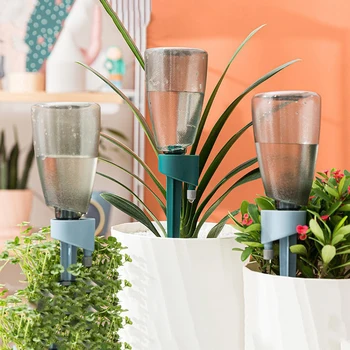
4.3 Water‑Smart Practices
Implement the “Soak‑then‑Rest” method:
- Water deeply (enough to wet the soil 6‑8 inches down) early in the morning.
- Allow the soil to dry slightly between waterings; most herbs thrive with a 1‑inch moisture deficit before the next soak.
Using a soil moisture sensor can reduce water use by up to 40% compared with a fixed schedule.
5. Mulching and Weed Management for Sustainability
5.1 Choose the Right Mulch
Apply a 2‑inch layer of organic mulch (straw, shredded leaves, or pine needles). Benefits backed by research:
- Reduces evaporation by 30‑45%.
- Suppresses weeds, cutting weeding time by up to 50%.
- Gradually adds organic matter as it decomposes.
5.2 Integrated Weed Control
Combine mulching with hand‑weeding and a thin spray of vinegar‑based organic herbicide only on persistent weeds. Avoid synthetic chemicals to protect beneficial insects.
6. Natural Pest Management
6.1 Attract Beneficial Insects
Plant companion flowers such as marigold, nasturtium, and dill around the herb beds. Studies show a 25% drop in aphid populations when these companions are present.
6.2 DIY Neem Oil Spray
Mix 1 tsp neem oil, ½ tsp mild liquid soap, and 1 L water. Spray early morning or late evening, covering both leaf tops and undersides. Repeat every 7‑10 days until pests recede.
7. Harvesting for Maximum Flavor and Plant Health
7.1 Timing the Cut
Harvest leaves just before the plant flowers for peak essential oil concentration. For example, basil’s flavor peaks at the pre‑bloom stage, roughly 45‑60 days after sowing.
7.2 Harvest Technique
Use clean scissors to snip 2‑3 inches above a leaf node. This encourages lateral growth and keeps the plant bushy. For lemongrass, cut the lower ½ foot of the stalks, leaving the top 6‑8 inches to regrow.
8. Closing the Loop: Composting and Soil Renewal
All plant trimmings, spent herbs, and kitchen scraps can be added to a cold compost bin. Aim for a carbon‑to‑nitrogen ratio of 30:1; a quick rule is 3 parts dry leaves (carbon) to 1 part kitchen waste (nitrogen). Turn the pile every 2‑3 weeks to maintain aerobic conditions. Within 3‑4 months you’ll have rich compost to replenish your herb beds, completing the sustainable cycle.
9. Quick Reference Checklist
- Pick 2‑3 exotic herbs suited to your climate.
- Map sunlight; ensure 6‑8 h for sun‑loving herbs.
- Test soil pH; adjust to 6.0‑7.5.
- Build living soil: compost, coir, vermiculite, manure.
- Start seeds indoors (cilantro, shiso) or transplant (basil, lemongrass).
- Water using “soak‑then‑rest”; use moisture sensor.
- Mulch 2 inches; add companion flowers.
- Apply neem oil spray for pests.
- Harvest pre‑bloom for best flavor.
- Compost all waste; feed soil annually.
By following these data‑driven, eco‑friendly steps, you’ll cultivate a vibrant herb garden that not only enriches your meals with exotic flavors but also supports a healthier planet. Happy sustainable gardening!