
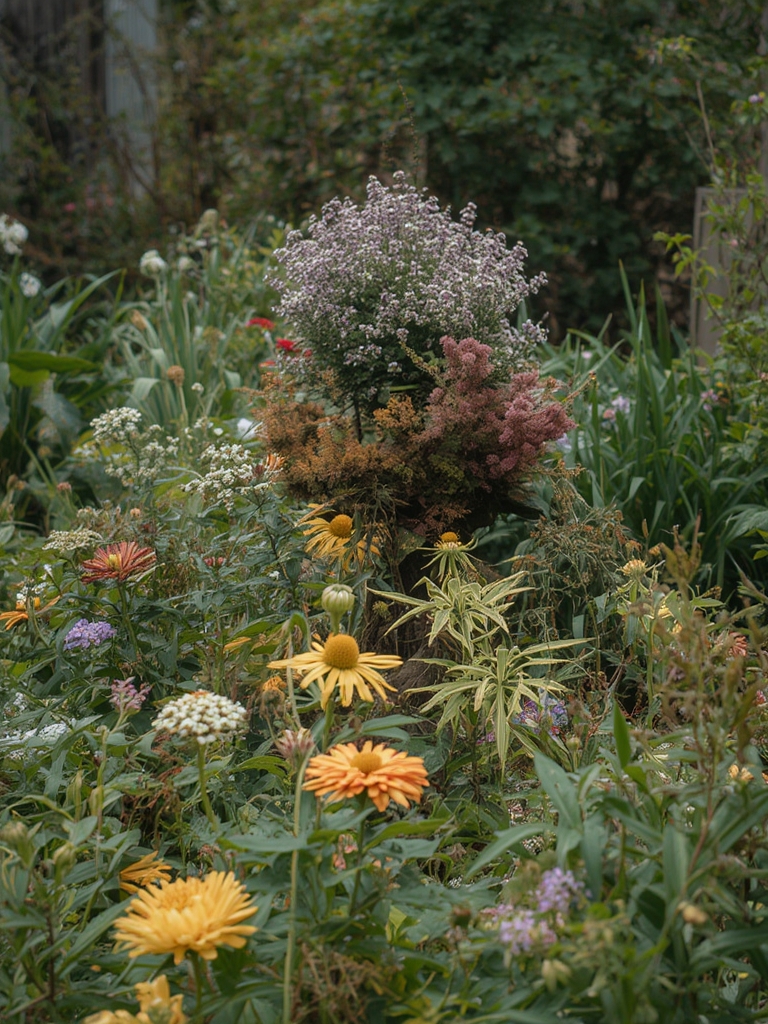
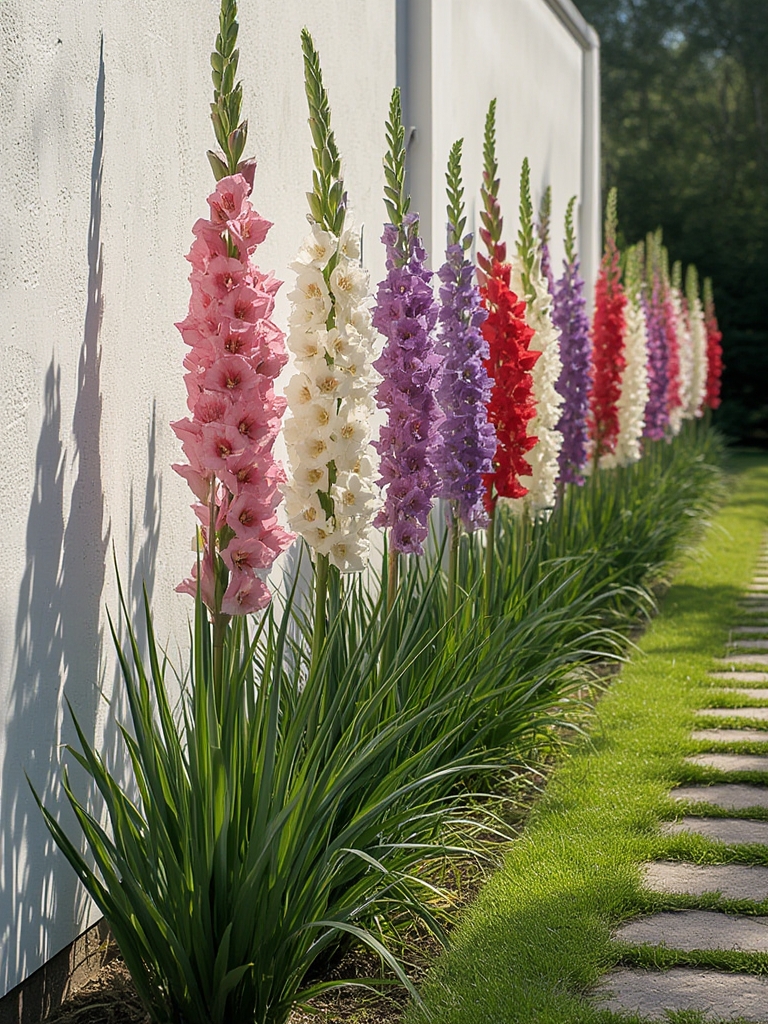
Flower gardening is one of the most rewarding ways to add color, fragrance, and biodiversity to your outdoor space. By focusing on perennial flowers, you can enjoy a vibrant display year after year with minimal re‑planting effort. This guide walks you through every step—from selecting the right varieties for your climate to mastering soil preparation, planting, and ongoing care—so you can build a low‑maintenance, long‑lasting garden that thrives in any season.
Choosing the Right Perennial Flowers
Assess Your Climate Zone
Start by locating your USDA Hardiness Zone (or the equivalent climate classification for your region). Perennials are rated for specific zones; planting a Hemerocallis (daylily) that thrives in zones 3‑9 in a zone 10 garden could lead to poor performance. Use a quick online lookup or a gardening app to confirm the zone, then filter your flower list accordingly.
Prioritize Long‑Blooming Varieties
Data from the Royal Horticultural Society shows that the following perennials provide the longest continuous bloom periods:
- Coreopsis (Coreopsis verticillata) – 8‑10 weeks of yellow flowers.
- Echinacea (Echinacea purpurea) – 12‑14 weeks, attracting pollinators.
- Lavender (Lavandula angustifolia) – 6‑8 weeks of aromatic purple spikes.
- Salvia (Salvia nemorosa) – 10‑12 weeks of spikes in various colors.
- Peony (Paeonia lactiflora) – 4‑6 weeks of large, fragrant blooms.
Mixing early, mid, and late‑season bloomers ensures your garden stays colorful from spring through fall.
Consider Soil Preferences and Sun Exposure
Most perennials prefer well‑draining soil and full sun (6+ hours). However, shade‑tolerant options like Hosta and Astilbe thrive in 3‑4 hours of filtered light. Use a soil test kit to check pH (ideal range 6.0‑7.0 for most perennials) and amend accordingly with lime or sulfur.
Preparing the Soil for Success
Clear the Planting Area
Remove all weeds, grass, and debris. Weeds compete for nutrients and can harbor pests that damage young perennials.
Improve Soil Structure
Incorporate organic matter—compost, well‑rotted manure, or leaf mold—at a rate of 2‑3 inches (5‑7 cm) into the top 12 inches (30 cm) of soil. This boosts water retention, aeration, and microbial activity, which are critical for root development.

Set Up a Drainage System
If your garden has heavy clay, create raised beds or add coarse sand and fine gravel (1:1 mix) to improve drainage. Perennials are prone to root rot in waterlogged conditions.
Planting Your Perennials
Layout and Spacing
Plan a rough sketch before digging. Follow these spacing guidelines:
- Small varieties (e.g., Coreopsis, Salvia) – 12‑18 inches (30‑45 cm) apart.
- Medium varieties (e.g., Echinacea, Lavender) – 18‑24 inches (45‑60 cm) apart.
- Large varieties (e.g., Peony, Rudbeckia) – 24‑36 inches (60‑90 cm) apart.
Proper spacing reduces competition and improves air circulation, lowering disease risk.
Planting Technique
- Dig a hole twice as wide and the same depth as the root ball.
- Loosen the roots gently; perennials often come in a tight root ball that needs encouragement to spread.
- Place the plant so the crown (where stems meet roots) sits just above soil level. In colder zones, set the crown 1‑2 inches (2.5‑5 cm) deeper to protect from freeze‑thaw cycles.
- Backfill with a mix of native soil and compost, firming lightly to eliminate air pockets.
- Water thoroughly (about 1‑2 gallons per plant) to settle the soil around the roots.
Mulching for Moisture Retention
Apply a 2‑inch (5 cm) layer of organic mulch (shredded bark, straw, or pine needles). Mulch conserves moisture, suppresses weeds, and gradually adds nutrients as it decomposes.
Watering, Feeding, and Ongoing Care
Smart Watering Schedule
Newly planted perennials need consistent moisture—aim for 1 inch (2.5 cm) of water per week, either from rainfall or irrigation. Once established (after 6‑8 weeks), reduce frequency to deep soakings every 10‑14 days, encouraging deeper root growth.
Fertilization Strategy
Use a balanced, slow‑release fertilizer (10‑10‑10) at planting time. In early spring, apply a second dose of a low‑nitrogen, high‑phosphorus formula (5‑10‑5) to promote blooming. Avoid high‑nitrogen fertilizers, which can produce lush foliage at the expense of flowers.
Pruning and Deadheading
Regular deadheading (removing spent blooms) extends the flowering period by up to 30 % for many species. For tall perennials like Echinacea, cut back stems to 2‑3 inches (5‑7 cm) after the first frost to tidy the garden and encourage fresh growth in spring.
Seasonal Maintenance Checklist
Spring (March‑May)
- Inspect for winter damage; cut back any broken stems.
- Apply a light compost top‑dressing to replenish nutrients.
- Divide overcrowded clumps (e.g., Hosta, Peony) to promote vigor.
Summer (June‑August)
- Monitor soil moisture; water deeply during heat waves.
- Deadhead regularly to keep blooms coming.
- Watch for pests (aphids, slugs) and treat with neem oil or diatomaceous earth.
Fall (September‑November)
- Remove spent foliage to reduce disease risk.
- Apply a 1‑inch (2.5 cm) mulch layer for winter protection.
- Plant fall‑blooming perennials (e.g., Aster) for a final color splash.
Winter (December‑February)
- Check mulch depth; add more if it has settled.
- Avoid walking on newly planted beds to prevent soil compaction.
- Plan next year’s color scheme based on performance data from this season.
By following these data‑backed steps and practical tips, you’ll create a perennial flower garden that delivers reliable, long‑lasting color while requiring minimal replanting each year. Happy gardening!
