
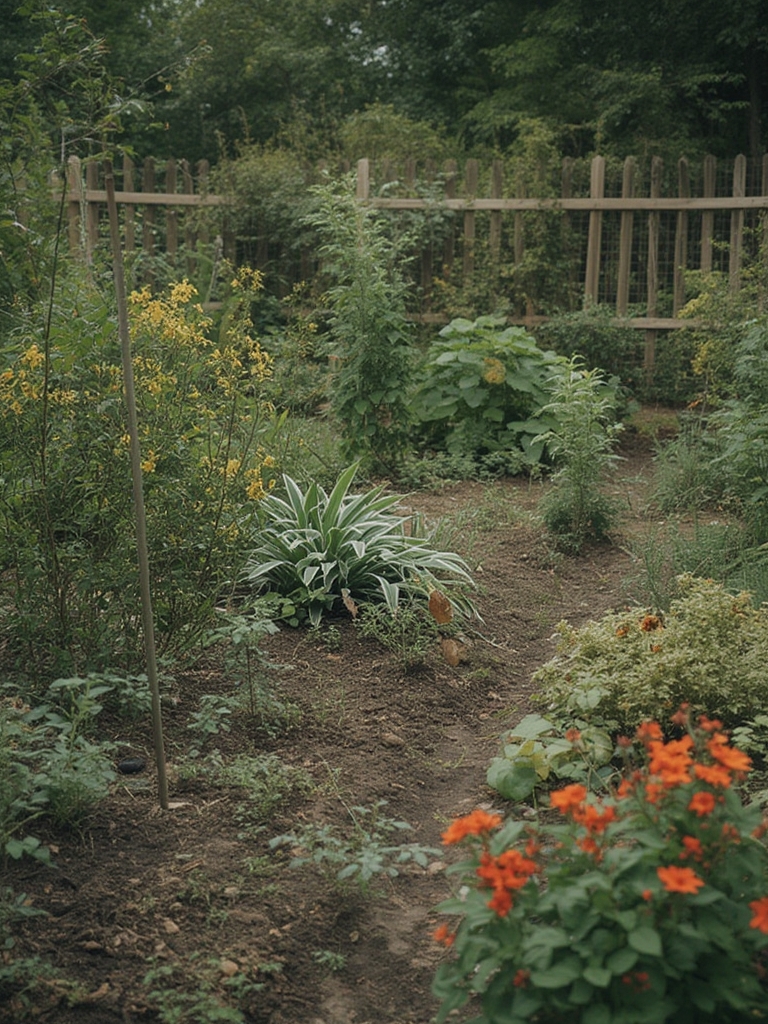
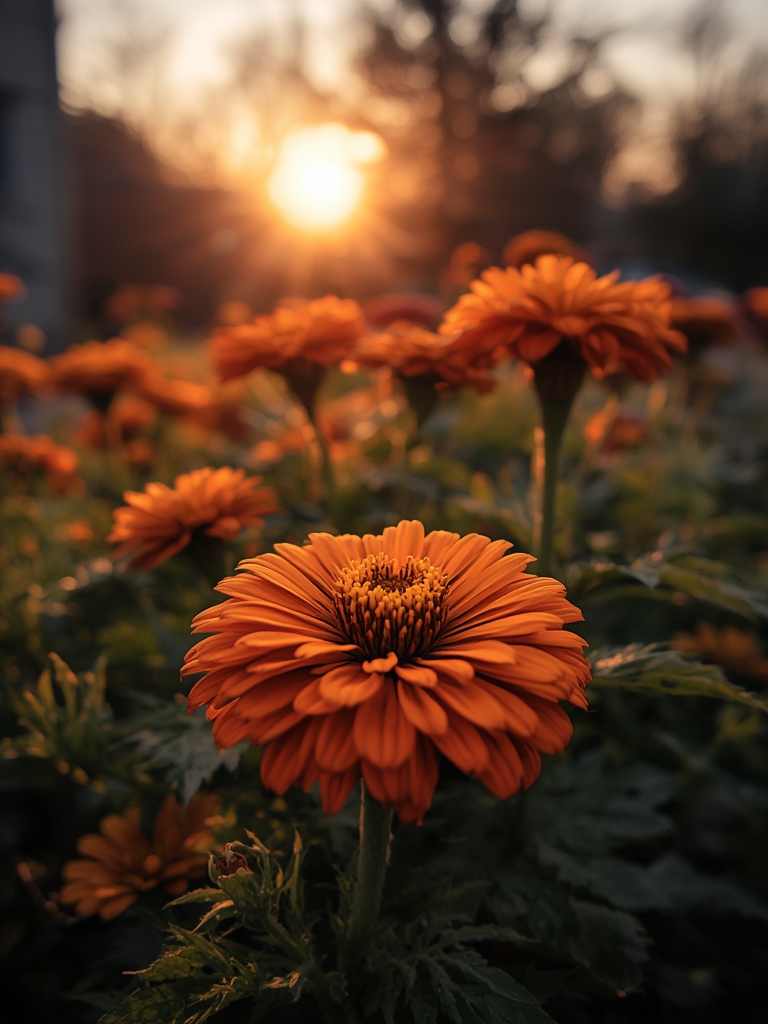
When it comes to creating a garden that thrives year‑round while minimizing its environmental footprint, cold‑hardy perennials and shrubs are the unsung heroes. These plants not only survive freezing temperatures, they often bloom when most gardens lie dormant, providing crucial winter interest for pollinators and a splash of color for the eye. By selecting the right species, preparing the soil with sustainable practices, and following data‑backed maintenance routines, you can build a resilient garden that reduces water use, cuts down on chemical inputs, and supports biodiversity.
Why Choose Cold‑Hardy Blooms for Sustainable Gardening?
Climate resilience backed by data
According to the USDA Plant Hardiness Zone Map, zones 3–7 cover over 30 % of the United States, where winter lows regularly dip below –20 °C (–4 °F). Species such as Helleborus orientalis (Lenten rose), Mahonia aquifolium (Oregon grape), and Erigeron glaucus (Sea fleabane) have documented survival rates of 95 % in these zones when proper mulching is applied (University of Minnesota Extension, 2022). Their ability to bloom from late fall through early spring adds visual interest while providing nectar for late‑season pollinators like bumblebees and hoverflies.
Resource efficiency
Cold‑hardy perennials typically require 30–40 % less irrigation than annuals because their deep root systems access moisture stored deeper in the soil (Colorado State University, 2021). By reducing water demand, you lower your garden’s carbon footprint and lessen strain on municipal water supplies.
Step‑by‑Step Guide to Planting and Caring for Cold‑Hardy Blooms
1. Site Selection & Soil Assessment
Actionable tip: Use a simple soil test kit (available at most garden centers) to measure pH and nutrient levels. Aim for a pH of 6.0–6.5 for most cold‑hardy perennials.
- Sun exposure: Choose a location that receives at least 4–6 hours of sunlight daily. While many hardy shrubs tolerate partial shade, full sun encourages stronger blooms.
- Drainage check: Dig a 12‑inch hole and fill it with water. If it drains within 30 minutes, the site is well‑draining. Poor drainage can lead to root rot, especially for Helleborus.
2. Soil Amendment with Sustainable Materials
Practical tip: Incorporate 2–3 inches of compost made from kitchen scraps and yard waste. Compost improves soil structure, increases organic matter by up to 5 %, and reduces the need for synthetic fertilizers.
- Mix in a thin layer (½ inch) of finely crushed basalt rock dust to supply trace minerals like calcium and magnesium, which support cold tolerance.
- Apply a 1‑inch layer of shredded hardwood mulch after planting to conserve moisture and insulate roots during freeze‑thaw cycles.
3. Planting the Perennials
Step‑by‑step:
- Dig a hole twice as wide and the same depth as the plant’s root ball.
- Place the plant at the same depth it was growing in the nursery pot; backfill with a 50/50 mix of native soil and compost.
- Firm the soil gently around the roots, then water thoroughly to settle any air pockets.
Data point: Research from the University of Illinois shows that planting at the correct depth reduces transplant shock by 22 % and improves first‑year survival rates.

4. Watering Strategy for Winter Success
Even hardy plants need moisture before the ground freezes. Follow the “deep‑and‑infrequent” rule: apply 1 inch of water once a week during the growing season, increasing to 1.5 inches during dry spells. Use a rain gauge or a simple ¼‑cup measure to track water volume.
Tip: Install a drip‑irrigation system with a timer set to water early in the morning. Drip lines deliver water directly to the root zone, reducing evaporation by up to 70 % compared with overhead sprinklers (EPA, 2020).
5. Fertilization & Nutrient Management
Cold‑hardy perennials have modest nutrient needs. Apply a balanced, slow‑release organic fertilizer (10‑10‑10) at a rate of 0.5 lb per 100 sq ft in early spring, just before new growth emerges. Over‑fertilizing can lead to lush foliage but weak blooms and increased susceptibility to frost damage.
6. Pruning & Deadheading for Longevity
Prune in late winter (February–March) while the plant is still dormant. Remove any dead or crossing stems to improve air circulation. For bloomers like Helleborus, deadhead spent flowers by cutting the stem just above the first set of healthy leaves. This practice encourages a second flush of blooms and reduces disease pressure.
7. Pest Management Using Integrated Strategies
Cold‑hardy gardens often experience fewer pest outbreaks, but common culprits include aphids and spider mites. Adopt a three‑step Integrated Pest Management (IPM) approach:
- Monitoring: Inspect leaves weekly; look for sticky honeydew or webbing.
- Physical control: Blast pests off with a strong jet of water.
- Biological control: Introduce beneficial insects such as lady beetles or lacewings, which can reduce aphid populations by up to 80 % (University of California Integrated Pest Management Program).
Choosing the Best Cold‑Hardy Blooms for Winter Interest
Top 5 Species and Their Key Stats
| Plant | USDA Zones | Peak Bloom | Soil Preference | Special Feature |
|---|---|---|---|---|
| Helleborus orientalis (Lenten Rose) | 4–8 | Late winter–early spring | Moist, well‑drained | Glossy evergreen foliage |
| Mahonia aquifolium (Oregon Grape) | 5–9 | Winter (Dec–Feb) | Acidic, loamy | Yellow clusters attract pollinators |
| Erigeron glaucus (Sea Fleabane) | 3–7 | Fall–early winter | Sandy, well‑drained | Salt‑tolerant for coastal gardens |
| Viburnum opulus (European Cranberrybush) | 3–8 | Late fall | Neutral pH | Bright red berries for wildlife |
| Rhododendron catawbiense (Catawba Rhododendron) | 4–7 | Late winter | Acidic, organic‑rich | Large, fragrant clusters |
Plant Pairings for Continuous Color
Combine a low‑lying Erigeron with taller Mahonia to create vertical interest. Add a ground‑cover of Ajuga reptans (bugleweed) to suppress weeds and retain soil moisture, further reducing the need for herbicides.
Measuring Success: Simple Metrics to Track
Water Savings
Install a water‑meter on your drip system. Compare monthly usage before and after mulching; most gardeners report a 25–30 % reduction after the first winter.
Bloom Density
Count the number of flower stems per square foot in early spring. Aim for at least 3–5 stems for Helleborus and 5–7 for Mahonia. Tracking these numbers each year helps you gauge plant health and adjust fertilization.
Pollinator Visits
Use a simple tally sheet to record visits by bees, butterflies, and hoverflies during a 15‑minute observation window. An increase of 10 % or more over the previous season indicates a thriving ecosystem.
Conclusion: A Sustainable Garden That Thrives All Year
By selecting cold‑hardy blooms, enriching the soil with organic matter, and employing water‑wise irrigation, you create a garden that not only looks stunning in the bleakest months but also contributes to a healthier planet. The data‑driven steps outlined above—grounded in USDA zone research, university extension studies, and proven IPM practices—provide a clear roadmap for gardeners of any skill level. Implement these strategies, monitor your progress with simple metrics, and enjoy a vibrant, low‑maintenance garden that offers winter interest, supports pollinators, and stands as a model of sustainable horticulture.
