Transform your outdoor space into a relaxing haven by blending thoughtful design, data‑driven plant selection, and simple maintenance habits. Whether you’re a seasoned green thumb or just starting out, this step‑by‑step guide walks you through the entire process—from assessing sunlight to adding the finishing decorative touches—so you can create a garden that looks stunning, feels soothing, and thrives year after year.
1. Assess Your Garden’s Micro‑Climate
Before you buy any plant, gather data about your garden’s unique conditions. Use a simple spreadsheet to log the following for at least one week:
- Sun exposure: Record the number of hours of direct sun each area receives (e.g., 0‑2 h, 3‑5 h, 6‑8 h).
- Soil pH: Test kits are inexpensive; note the pH for each zone.
- Wind patterns: Observe which spots are wind‑tunnel or sheltered.
- Moisture retention: Dig a small hole, fill with water, and time how long it takes to drain.
Actionable tip: Map these variables on a garden layout diagram. Color‑code zones (e.g., green for full sun, blue for shade) to visualize where each plant type will thrive.
2. Choose Plants That Match Your Data
2.1 Prioritize Native and Low‑Maintenance Species
Native plants are adapted to local climate, pests, and soil, reducing water and fertilizer needs. For example, if your zone is USDA 7, consider Lavandula angustifolia (English lavender) for sunny spots and Hosta varieties for shade.
2.2 Use a Plant‑Selection Matrix
Create a simple matrix with rows for plant names and columns for sunlight, soil pH, water needs, and bloom time. Fill in the cells with “✔” for matches and “✘” for mismatches. This visual tool helps you pick a balanced mix that ensures continuous color from spring through fall.
3. Prepare the Soil for Optimal Growth
3.1 Test and Amend
Based on your pH data, amend the soil accordingly:
- pH < 6.0: Add lime at a rate of 5 lb per 100 sq ft.
- pH > 7.5: Incorporate elemental sulfur, 2 lb per 100 sq ft.
Mix in 2–3 inches of compost to improve structure and microbial activity.

3.2 Build Raised Beds for Poor Drainage
If your moisture test shows slow drainage, construct raised beds using untreated cedar or recycled composite. Fill with a 1:1:1 blend of topsoil, compost, and coarse sand for a well‑draining medium.
4. Planting Techniques That Boost Success
4.1 Timing Is Key
Plant cool‑season crops (e.g., peas, pansies) 2–4 weeks before the last frost. Warm‑season plants (e.g., tomatoes, marigolds) should be set out after soil temperatures reach 65 °F consistently.
4.2 Proper Spacing and Depth
Follow label recommendations, but a good rule of thumb is to plant at a depth equal to the root ball’s height and space plants 1.5–2 × their mature width. This prevents overcrowding, improves air circulation, and reduces disease risk.
4.3 Mulch for Moisture Retention
Apply a 2‑inch layer of organic mulch (shredded bark, straw, or pine needles) around each plant. Mulch conserves water, suppresses weeds, and slowly adds nutrients as it decomposes.
5. Watering and Ongoing Care
5.1 Adopt the “Deep‑Water, Infrequent” Method
Water early in the morning, delivering enough moisture to wet the soil to a depth of 6–8 inches. This encourages deep root growth and reduces evaporation.
5.2 Use a Soil Moisture Sensor
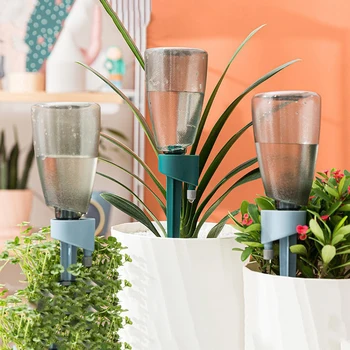
Install a cheap digital sensor in each major zone. When the reading drops below 30 % (for most garden soils), it’s time to water. This data‑driven approach prevents over‑watering and saves up to 30 % of water usage.
5.3 Fertilize Smartly
Apply a slow‑release balanced fertilizer (10‑10‑10) at planting, then side‑dress with a nitrogen‑rich fertilizer (e.g., blood meal) every 4–6 weeks for heavy feeders like tomatoes.
6. Seasonal Maintenance Checklist
6.1 Spring
- Remove winter mulch and clean up debris.
- Prune dead or damaged stems.
- Apply a pre‑emergent herbicide to curb weeds.
6.2 Summer
- Monitor for pests; use neem oil or insecticidal soap as needed.
- Re‑apply mulch to maintain moisture.
- Deadhead spent blooms to encourage repeat flowering.
6.3 Fall
- Plant cover crops (e.g., clover) to enrich soil over winter.
- Cut back perennials to a few inches above ground.
- Store garden tools and clean them to prevent rust.
7. Add Decorative Elements for a Relaxing Haven
7.1 Seating and Pathways
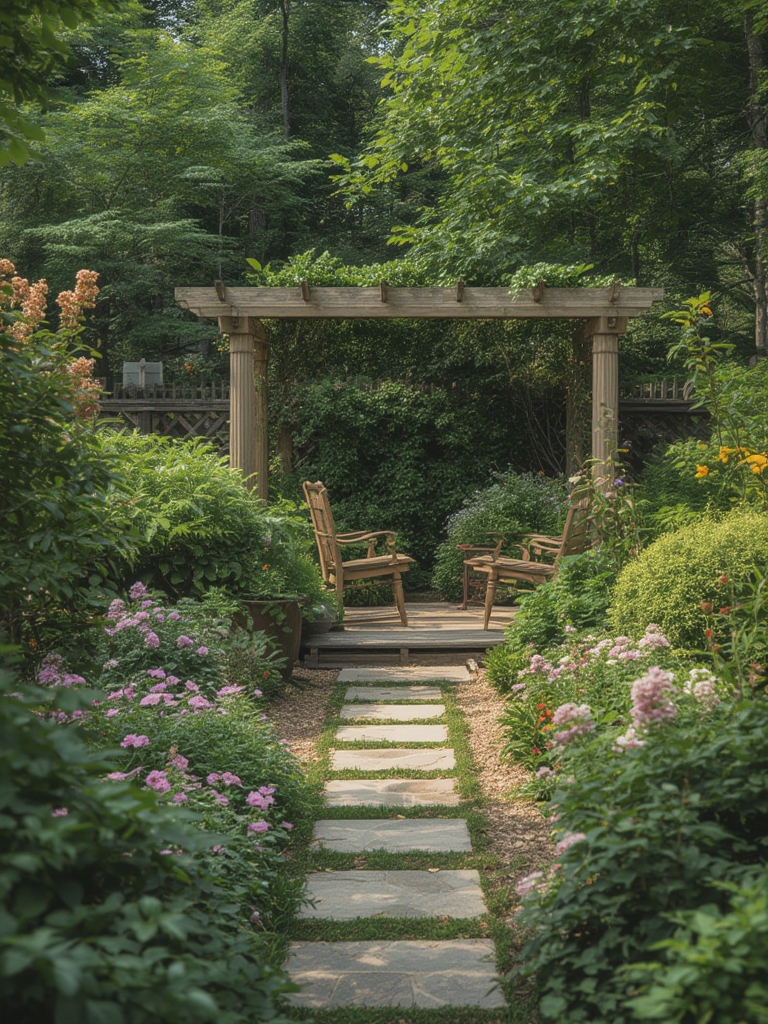
Place a simple wooden bench or a set of weather‑proof chairs near a focal plant. Use stepping stones or reclaimed bricks to create a winding path that invites slow, mindful walks.
7.2 Water Features and Lighting
A small solar‑powered fountain adds soothing sound without increasing water bills. Install low‑voltage LED string lights or solar lanterns along the pathway for a warm, inviting glow after dusk.
7.3 Sensory Plant Choices
Incorporate fragrant herbs (lavender, rosemary) and tactile foliage (e.g., lamb’s ear) to engage all senses. Plant them near seating areas so you can enjoy scent and touch while you relax.
8. Boost Your Blog’s SEO While Sharing Garden Inspiration
8.1 Keyword Research
Use free tools like Google Keyword Planner or Ubersuggest to find long‑tail keywords such as “low‑maintenance garden ideas” or “how to create a backyard oasis.” Sprinkle these naturally throughout headings, alt‑text, and the first 150 words.
8.2 Structured Data and Internal Linking
Implement schema.org’s Article markup to help search engines understand your content. Link to related posts (e.g., “Best Soil Amendments for Shade Gardens”) using descriptive anchor text to keep readers on your site longer.
8.3 Optimize Images
Compress images to under 150 KB, add descriptive file names (e.g., lavender-garden-bed.jpg), and include alt‑text that incorporates your target keyword (“lavender garden bed for low‑maintenance landscaping”).
8.4 Encourage User Interaction
End each post with a clear call‑to‑action: ask readers to share their own garden photos in the comments or to download a printable planting calendar. Engagement signals improve rankings and foster a community of garden enthusiasts.
By following these data‑driven steps, you’ll not only cultivate a thriving garden but also create compelling, SEO‑friendly content that draws visitors to your WordPress site. The result? A beautiful, relaxing outdoor haven that looks great, feels great, and ranks great.