
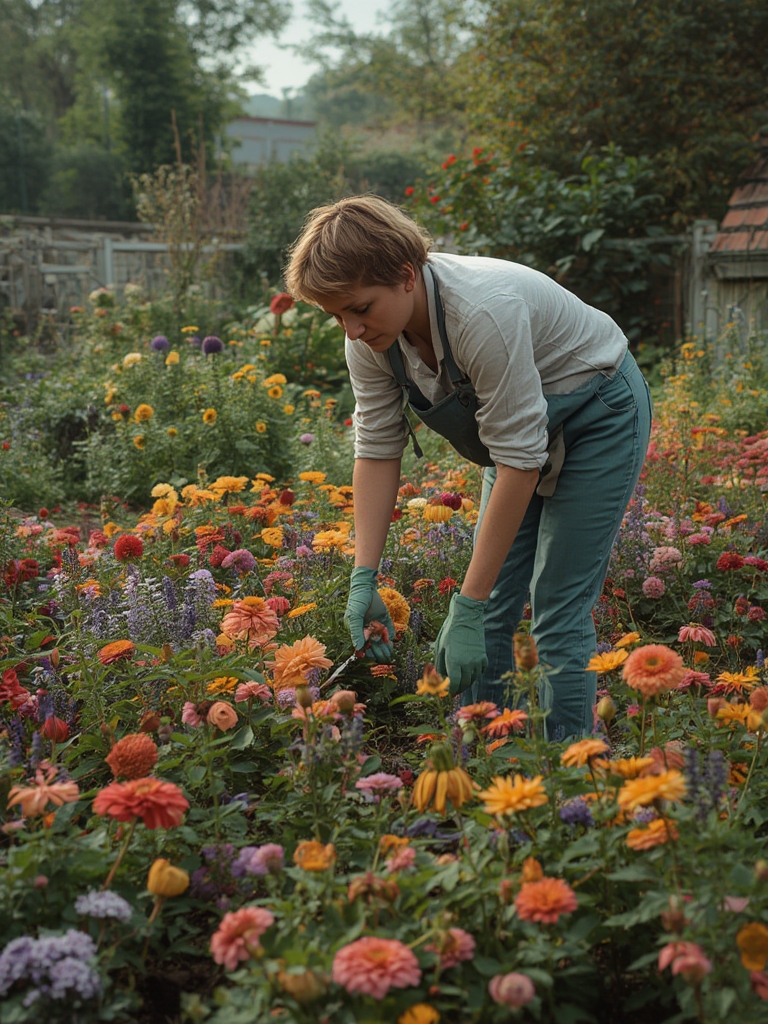
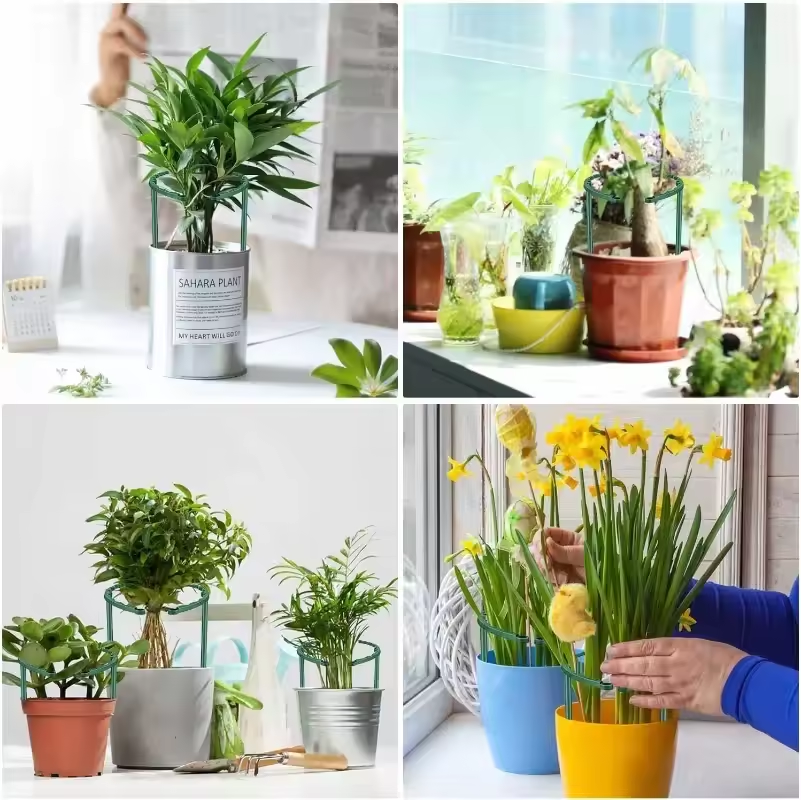
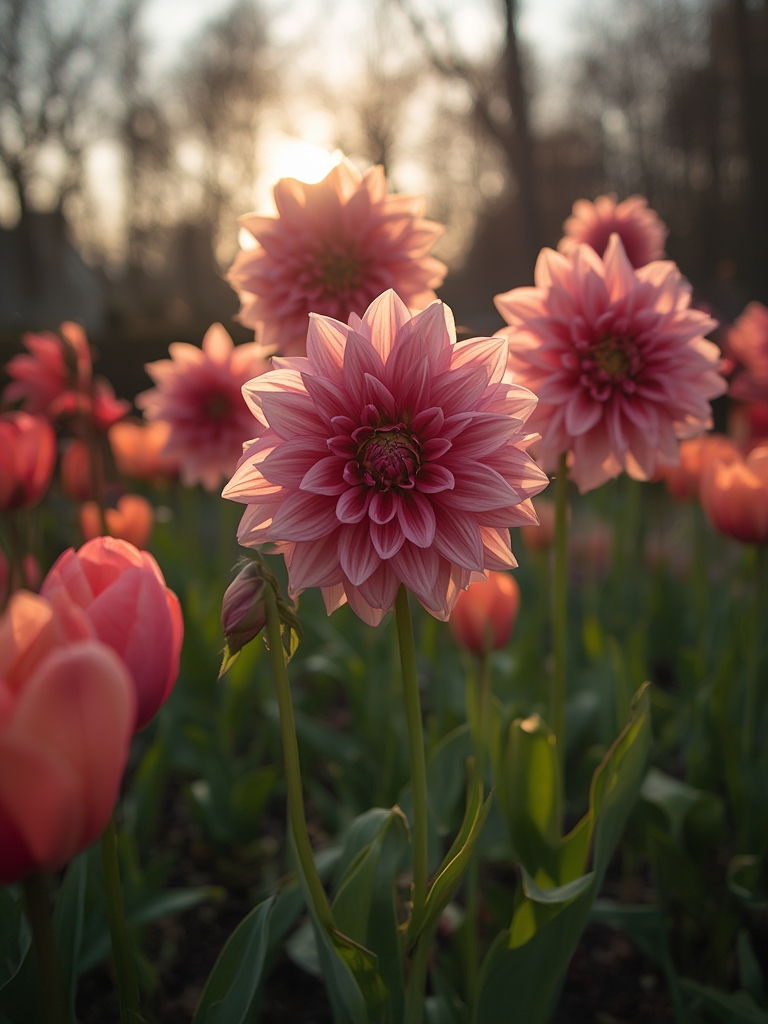
Flower gardening is both an art and a science, and with the right data‑driven approach you can create a vibrant, low‑maintenance display that thrives year after year. By combining soil testing, smart plant selection, and proven cultural practices, you’ll not only enjoy stunning blooms but also support a healthy ecosystem that includes a chemical‑free lawn. Below is a step‑by‑step guide that breaks down each phase of flower gardening, complete with actionable tips you can implement today.
1. Assess Your Site and Soil Conditions
Gather Soil Data
- pH Test: Use a home kit or send a sample to a local extension service. Most flowering plants prefer a pH between 6.0 and 7.0.
- Texture Analysis: Perform the “feel test” (sand, silt, clay) or use a simple jar test to determine drainage capacity.
- Organic Matter: Aim for at least 3‑5% organic content; this improves water retention and nutrient availability.
Practical Tip
Record your soil data in a spreadsheet and map it against the sun exposure of each garden zone. This will help you match plant species to the most suitable micro‑climates.
2. Choose the Right Flowers for Your Climate and Light
Data‑Driven Plant Selection
- Consult USDA Hardiness Zone maps (or local equivalents) to filter species that reliably survive your winter lows.
- Use online bloom calendars to stagger flowering periods, ensuring continuous color from early spring to late fall.
- Prioritize native or well‑adapted perennials; they typically require 30‑40% less water and fertilizer.
Actionable Advice
Start with a core group of three to five reliable bloomers (e.g., coneflower, black-eyed Susan, and lavender) and add annuals for seasonal pops of color. Plant in groups of odd numbers (3, 5, 7) to create natural, eye‑pleasing clusters.
3. Prepare the Planting Beds
Soil Amendment Steps
- Loosen the Top 12‑18 inches: Use a garden fork or a rototiller for compacted soils.
- Add Organic Matter: Incorporate 2‑3 inches of compost or well‑rotted manure based on your earlier organic matter analysis.
- Adjust pH: If needed, add lime to raise pH or elemental sulfur to lower it, following the recommendations from your soil test.
Practical Tip
Mix a slow‑release, balanced fertilizer (10‑10‑10) at a rate of 1 lb per 100 sq ft if your soil test shows nutrient deficiencies. This reduces the need for frequent applications.
4. Planting Techniques for Maximum Success
Step‑by‑Step Planting
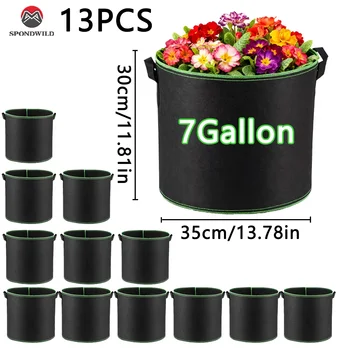
- Spacing: Follow label recommendations, typically 12‑18 inches for perennials and 6‑12 inches for annuals.
- Depth: Plant at the same depth the plant was in its container; for bare‑root, keep the crown just below soil surface.
- Water In: Apply 1‑2 inches of water immediately after planting to settle soil around roots.
Actionable Advice
Use a drip irrigation timer set to deliver 0.5 inches of water twice a week during establishment. This conserves water and reduces disease pressure.
5. Ongoing Care: Watering, Mulching, and Feeding
Water Management
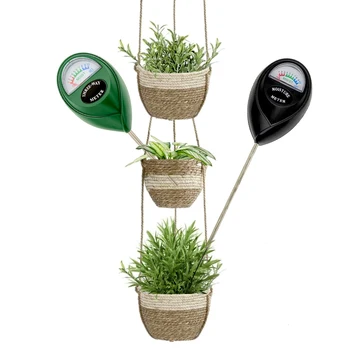
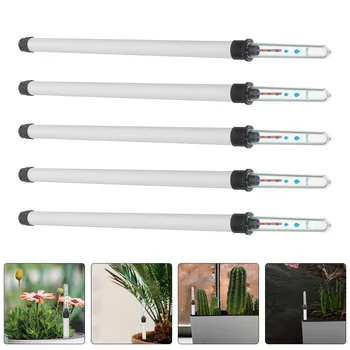
- Measure soil moisture with a probe; aim for consistently moist but not soggy conditions.
- Early morning watering reduces evaporation and fungal risk.
Mulching for Health
Apply a 2‑3‑inch layer of organic mulch (shredded bark, straw, or leaf mold). Mulch conserves moisture, suppresses weeds, and adds organic matter as it breaks down.
Feeding Schedule
Feed with a low‑nitrogen, high‑phosphorus fertilizer (e.g., 5‑10‑10) once in early spring and again after the first major bloom cycle. This encourages root development and repeat flowering.

6. Integrated Pest Management (IPM) Without Chemicals
Monitoring and Identification
- Inspect leaves weekly for signs of aphids, spider mites, or fungal spots.
- Use sticky traps to monitor flying insects.
Non‑Chemical Controls
- Beneficial Insects: Introduce ladybugs or lacewings to keep aphids in check.
- Neem Oil: Apply a light spray at first sign of fungal disease; it’s a botanical remedy that breaks the pest life cycle.
- Companion Planting: Plant marigolds or garlic near susceptible flowers to deter pests naturally.
7. Nurture a Healthy Lawn Without Chemicals
Soil Health First
A thriving lawn begins with the same principles used for flower beds: balanced pH, adequate organic matter, and proper aeration. Conduct a separate soil test for your lawn and amend as needed.
Low‑Input Lawn Care Practices
- Mow High: Keep grass at 3‑4 inches to shade weed seeds and promote deeper root growth.
- Water Deeply: Apply 1‑1.5 inches of water once a week rather than frequent shallow watering.
- Natural Fertilizer: Spread a thin layer of compost or use a slow‑release organic lawn fertilizer (e.g., 4‑2‑2) in early spring and fall.
Actionable Lawn Tip
Overseed thin patches with a blend of native grass species in early fall. This improves lawn density and reduces the need for herbicides.
8. Seasonal Adjustments and Long‑Term Planning
Spring Reset
Remove winter mulch, clean up dead foliage, and apply a balanced fertilizer. Divide overcrowded perennials (e.g., daylilies) to rejuvenate growth.
Summer Maintenance
Deadhead spent blooms to encourage a second flush of flowers. Increase watering frequency during heat spikes, but keep mulch in place to prevent soil temperature fluctuations.
Fall Preparation
Plant cool‑season bloomers (e.g., asters, mums) and add a final layer of mulch to protect roots over winter. Apply a low‑nitrogen fertilizer to strengthen root reserves.
9. Track Your Progress with Simple Data
Garden Journal
- Record planting dates, species, and spacing.
- Log weekly water usage, fertilization events, and any pest observations.
- Take photos each month to visually track bloom cycles and plant health.
Actionable Insight
After one growing season, review your journal to identify which species performed best, which watering schedules were most efficient, and where adjustments are needed. Use this data to refine your plan for the next year.
By following these data‑driven steps and integrating chemical‑free lawn care, you’ll build a resilient flower garden that delivers continuous color, supports pollinators, and enhances the overall health of your outdoor space. Happy gardening!
