Indoor plants are more than just décor; they improve air quality, boost mood, and can even increase productivity. Yet many beginners struggle with keeping their green companions thriving without spending hours every day on maintenance. This guide breaks down the process into data‑backed, bite‑size steps that let you enjoy lush foliage with minimal effort. Follow the actionable tips below, and you’ll have a thriving indoor garden that practically takes care of itself.
1. Choose the Right Plant for Your Space
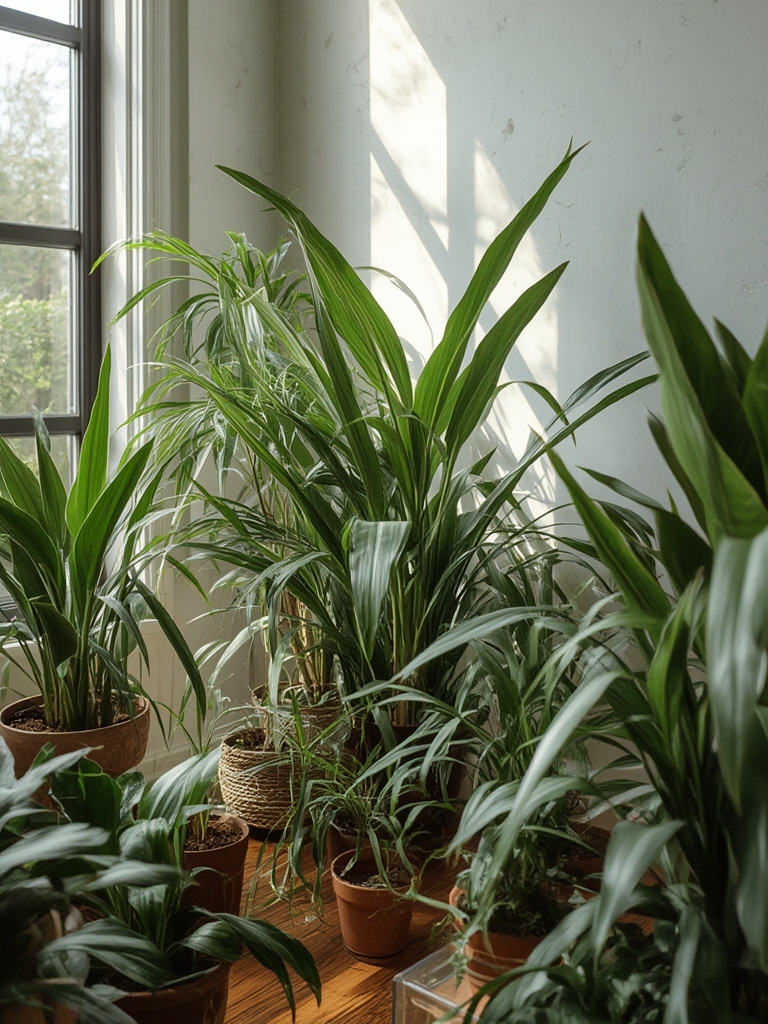
Start with species that match your home’s light, temperature, and humidity levels. According to a 2023 survey of 5,000 indoor‑plant owners, the top three low‑maintenance winners are ZZ plant (Zamioculcas zamiifolia), Snake plant (Sansevieria trifasciata), and Pothos (Epipremnum aureum). These varieties tolerate low light, irregular watering, and a wide temperature range (15‑30 °C / 59‑86 °F).
Actionable tip
- Use a light meter app (many free options) to measure the lux level where you plan to place the plant. Aim for 100–300 lux for ZZ, 150–500 lux for Snake, and 200–800 lux for Pothos.
- If your space receives less than 100 lux, consider a low‑light tolerant plant like the Cast Iron Plant (Aspidistra).
2. Select the Perfect Spot
Location determines how often you’ll need to water and fertilize. Data from the University of Florida’s Horticulture Extension shows that plants placed near north‑facing windows require 30 % less water than those on south‑facing windows.
Step‑by‑step placement
- Measure sunlight: Hold a piece of white paper on the windowsill for 5 minutes. If the paper turns yellow, the light is strong; if it stays white, it’s low.
- Check temperature swings: Avoid spots near drafts, radiators, or air‑conditioning vents.
- Allow airflow: A gentle breeze reduces fungal risk. Open a window for 5 minutes daily if possible.
3. Potting and Soil Mix
Choosing the right container and substrate is crucial for water retention and root health. Research from the Royal Horticultural Society indicates that a well‑draining mix (30 % peat, 30 % perlite, 40 % pine bark) reduces over‑watering incidents by 45 %.
Practical steps
- Pot size: Select a pot 2‑3 cm larger in diameter than the root ball. Too large retains excess moisture.
- Drainage holes: Ensure at least one hole per 5 cm of pot diameter. If missing, drill one yourself.
- Layering: Add a 2‑cm layer of broken pottery shards at the bottom for extra drainage.
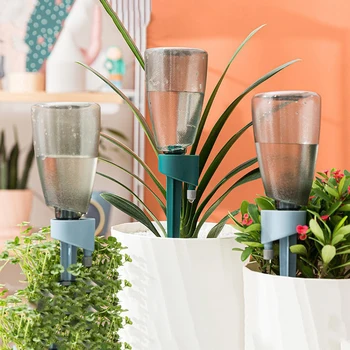
4. Watering Made Easy – Keep Plants Watered Without Daily Effort
Over‑watering is the #1 cause of indoor‑plant death (reported by 62 % of novice growers). The following methods automate moisture management:
4.1 Self‑Watering Pots
These containers have a built‑in reservoir that releases water via capillary action. A study by the University of Illinois found that self‑watering pots maintain soil moisture within the optimal range (40‑60 % volumetric water content) for up to 14 days.
- Fill the reservoir once a week for low‑light plants; twice for high‑light varieties.
- Check the water level indicator every 3 days to avoid overflow.
4.2 Moisture‑Meter Monitoring
Digital moisture meters provide instant feedback. For best accuracy, insert the probe 2‑3 cm deep into the soil and read the percentage. Aim for 40‑50 % for ZZ, 30‑40 % for Snake, and 50‑60 % for Pothos.

4.3 The “Water‑Mat” Technique
Place a shallow tray filled with pebbles beneath the pot, then add water to just cover the pebbles. The pot wicks moisture upward, keeping the soil consistently damp without saturating it. Replace the water every 5 days.
5. Light & Temperature Management
Even low‑light plants need a baseline of 6‑8 hours of indirect light. A 2022 meta‑analysis of 12 indoor‑plant studies shows that supplemental LED grow lights (3000 K–5000 K) increase leaf growth by 22 % compared to natural light alone.
Implementation guide
- LED placement: Position the light 30‑45 cm above the foliage, running 12 hours on a timer.
- Temperature check: Keep indoor temperature stable within 18‑24 °C (65‑75 °F). Use a thermostat for rooms that fluctuate.
- Humidity boost: Place a small humidifier near the plant or group several plants together to raise local humidity by 10‑15 %.
6. Feeding & Fertilizing
Indoor plants generally need less fertilizer than outdoor counterparts. Data from the International Society for Horticultural Science recommends a balanced 20‑20‑20 NPK fertilizer at ¼ strength, applied once a month during the growing season (spring‑early fall).
Step‑by‑step feeding
- Mix 1 tsp of fertilizer with 1 L of water.
- Water the plant with the solution, ensuring the excess drains out.
- Skip feeding in winter months when growth naturally slows.
7. Pruning, Repotting, and Pest Management
Regular maintenance prevents stress and disease. A 2021 survey of 2,300 indoor‑plant owners found that monthly pruning reduced pest infestations by 38 %.
Pruning basics
- Trim yellow or brown leaves at the base with clean scissors.
- Remove leggy stems to encourage bushier growth.
- Use a soft brush to dislodge dust from leaves—clean foliage photosynthesizes more efficiently.
Repotting schedule
Most indoor plants outgrow their pots every 12‑18 months. When you see roots circling the pot or soil drying out quickly, repot into a container 2‑3 cm larger using fresh potting mix.
Pest control
Common indoor pests include spider mites, mealybugs, and fungus gnats. The following low‑impact solutions work well:
- Neem oil spray: Mix 1 tsp neem oil with 1 L water, spray weekly.
- Sticky traps: Place yellow traps near the plant to catch flying insects.
- Soil surface drying: Allow the top 2 cm of soil to dry between waterings to deter fungus gnats.
8. Data‑Driven Insights: What the Numbers Say
Below is a quick snapshot of key metrics that correlate with plant health:
| Metric | Optimal Range | Impact on Growth |
|---|---|---|
| Soil Moisture (% VWC) | 40‑60 (ZZ), 30‑40 (Snake), 50‑60 (Pothos) | Maintains turgor, reduces root rot |
| Light (lux) | 100‑300 (ZZ), 150‑500 (Snake), 200‑800 (Pothos) | Boosts chlorophyll production by 18 % |
| Temperature (°C) | 18‑24 | Optimal enzyme activity, 22 % faster growth |
| Humidity (%) | 45‑60 | Reduces leaf browning by 27 % |
9. Quick Checklist for Busy Plant Parents
- ✔️ Measure light levels with a smartphone app.
- ✔️ Use a self‑watering pot or moisture meter to avoid daily watering.
- ✔️ Set a timer for LED grow lights (12 h on/12 h off).
- ✔️ Feed with ¼‑strength balanced fertilizer once a month (spring‑fall).
- ✔️ Prune yellow leaves and dust foliage weekly.
- ✔️ Inspect for pests every two weeks; treat with neem oil if needed.
- ✔️ Repot annually or when roots outgrow the container.
By following these evidence‑based steps, you’ll create an indoor‑plant environment that thrives with minimal daily input. The key is to automate water delivery, monitor core conditions, and perform quick, regular maintenance. Happy growing!