Welcome to the world of sustainable gardening – where every seed you plant, every drop of water you save, and every piece of reclaimed material you repurpose works together to create a thriving, eco‑friendly oasis. Whether you’re a seasoned green thumb or just starting out, this guide walks you through data‑driven, step‑by‑step practices that make your garden healthier, your carbon footprint smaller, and your outdoor space uniquely yours. Let’s dig in!
1. Plan Your Garden with the Environment in Mind
Assess Your Space and Climate
Start by mapping out the area you have—sunny spots, shaded corners, wind‑exposed zones, and soil types. Use a simple spreadsheet to log sunlight hours (e.g., 6–8 hrs = full sun, 3–5 hrs = partial shade) and note any micro‑climates. This data helps you choose plants that naturally thrive, reducing the need for extra water or fertilizer.

Choose Native and Drought‑Resistant Plants
Native species are adapted to local conditions, meaning they require less irrigation and fewer chemicals. For example, in the Pacific Northwest, Salal and Red‑flowered Currant flourish with minimal care. Pair them with drought‑tolerant varieties like Lavender or Sedum for a resilient mix.
Design for Water Efficiency
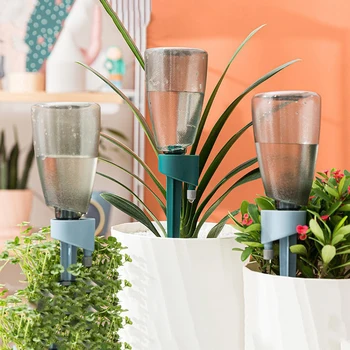
Incorporate rain‑catchment barrels, drip‑irrigation lines, and mulched beds. A quick calculation—multiply the square footage of your planting area by 0.62 to estimate the gallons of water needed per week. Then, compare that to the capacity of your rain barrel to see how many days of rain can sustain your garden.
2. Build Healthy Soil the Sustainable Way
Start a Compost System
Compost is the cornerstone of organic gardening. Use a three‑bin method: one for greens (kitchen scraps), one for browns (dry leaves, cardboard), and a third for finished compost. Turn the pile every 2–3 weeks to maintain aerobic conditions, and you’ll have nutrient‑rich humus in 8–12 weeks.
Amend with Natural Fertilizers
Instead of synthetic fertilizers, apply compost tea or worm castings. A data‑driven tip: test your soil’s N‑P‑K levels with a home kit, then match amendments to the deficiencies—e.g., if nitrogen is low, add a thin layer of blood meal (1 lb per 100 sq ft).
Implement No‑Till Practices
Minimize soil disturbance to preserve microbial life. Use a broadfork or a garden fork to gently aerate instead of turning the soil. This reduces erosion and carbon release, keeping your garden carbon‑neutral.

3. Water Wisely and Conserve Resources
Install Drip Irrigation
Drip lines deliver water directly to the root zone, cutting evaporation by up to 50 %. Pair them with a timer set to early morning (5–7 am) for optimal absorption. Use a flow meter to track gallons per hour and adjust based on plant size.
Mulch for Moisture Retention
Apply a 2–3 inch layer of organic mulch (straw, wood chips, or shredded leaves). Mulch reduces surface evaporation, suppresses weeds, and adds organic matter as it decomposes. Replenish annually to maintain thickness.
Harvest Rainwater
Connect gutters to a 55‑gallon rain barrel. Install a simple screen to keep debris out. Over a typical summer month, a 20‑sq‑ft roof can collect roughly 500 gallons of water—enough to sustain a 200‑sq‑ft garden without tapping municipal supply.
4. Manage Pests and Diseases Naturally
Encourage Beneficial Insects
Plant a “bug hotel” using reclaimed wood, bamboo, and straw to attract ladybugs, lacewings, and predatory wasps. These allies control aphids, mites, and caterpillars without chemicals. A study shows a 30 % reduction in pest damage when beneficial insects are present.
Use Companion Planting
Pair plants that repel each other’s pests. For instance, basil next to tomatoes deters tomato hornworms, while marigolds around squash discourage nematodes. Create a companion matrix in your garden planner to visualize these relationships.
Apply Organic Sprays When Needed
If an outbreak occurs, reach for neem oil or a homemade garlic‑pepper spray (1 tsp garlic, ½ tsp cayenne, 1 cup water). Test on a single leaf first; if no burn appears after 24 hours, treat the entire plant.
5. Add Personality with Creative Wall Décor
Vertical Gardens from Recycled Materials
Transform old pallets, wooden crates, or even repurposed shoe organizers into living walls. Drill drainage holes, line with landscape fabric, and fill with a lightweight potting mix. Plant trailing herbs like thyme or oregano for both visual appeal and culinary use.
DIY Mosaic Planters
Use broken tiles, glass shards, or reclaimed ceramics to create colorful mosaics on the exterior of concrete pots. Seal with a non‑toxic grout for durability. This not only adds artful flair but also reflects sunlight, keeping roots cooler.
Nature‑Inspired Murals
Paint a mural on a garden fence using eco‑friendly chalk or low‑VOC paints. Incorporate motifs like vines, pollinator pathways, or local wildlife. A mural can become a landmark, encouraging community engagement and boosting your garden’s SEO when you share photos online.
6. Track Progress and Optimize
Maintain a Garden Journal
Log planting dates, watering schedules, and observations in a simple Google Sheet or notebook. Include columns for temperature, rainfall, and any pest sightings. Over time, patterns emerge—e.g., a spike in aphids after a warm, dry spell—allowing you to pre‑emptively adjust practices.
Use Free Soil Sensors
Affordable Bluetooth soil moisture sensors can sync with your phone, giving real‑time data. Set alerts for when moisture drops below 30 %—the optimal range for most vegetables. This prevents over‑watering and conserves water.
Review and Refine Annually
At the end of each growing season, compare your yield, water usage, and input costs to the previous year. Identify what worked (e.g., a particular compost recipe) and what didn’t (perhaps a plant that required too much maintenance). Adjust your plan for the next cycle, making your garden increasingly sustainable year after year.
By integrating these data‑driven steps, you’ll cultivate a garden that not only flourishes but also honors the planet. From soil health to creative wall décor, every decision adds up to a greener, more beautiful outdoor space. Happy planting, and may your sustainable garden inspire neighbors, friends, and search engines alike!