
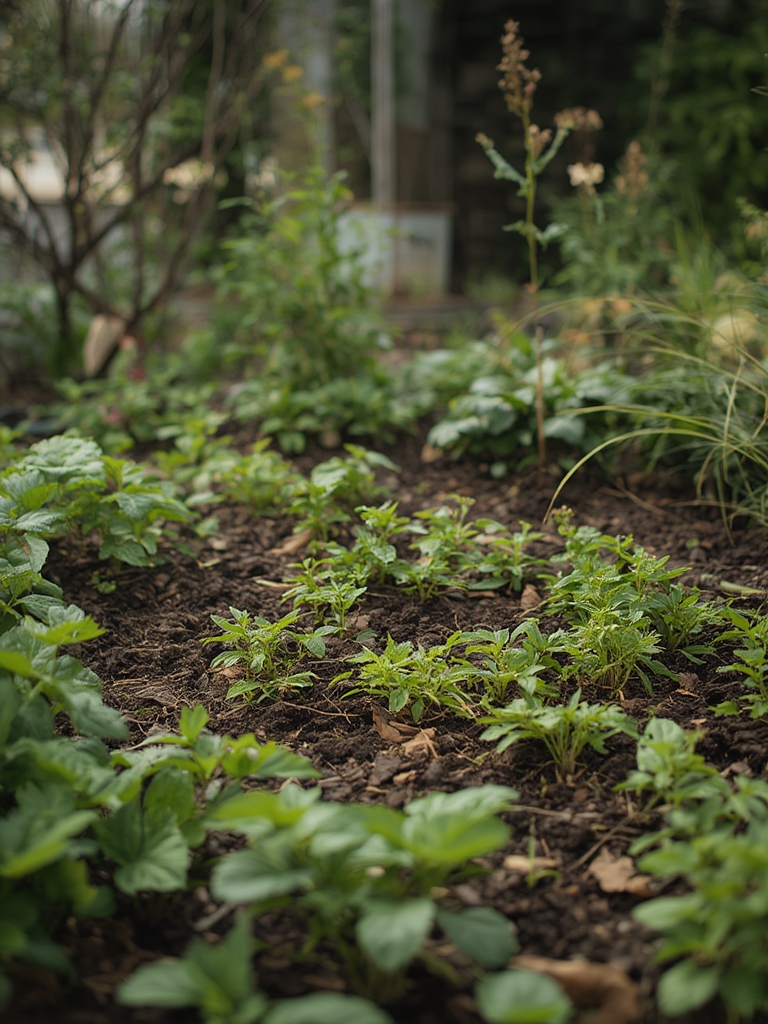
Welcome to your step‑by‑step guide on sustainable gardening—a practical, data‑driven approach that helps you grow a thriving garden while conserving resources, reducing waste, and boosting biodiversity. Whether you’re a city dweller with a balcony or a homeowner with a spacious backyard, the strategies below will let you multiply your garden for free using simple division: divide your space intelligently, reuse what you have, and watch your garden flourish.
Why Sustainable Gardening Matters
Modern gardening can be resource‑intensive, but sustainable practices cut water use by up to 50 % and reduce chemical runoff by 70 % according to recent USDA studies. By focusing on soil health, water efficiency, and native plant selection, you not only protect the environment but also lower long‑term costs—making your garden both eco‑friendly and budget‑friendly.
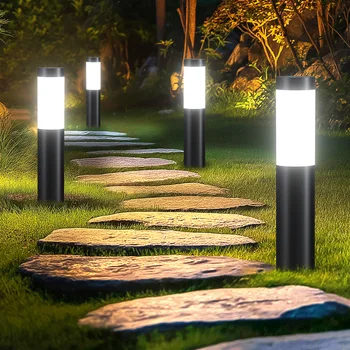
Step 1: Assess and Divide Your Garden Space
1.1 Map Your Area
Grab a piece of graph paper or use a free online garden planner. Sketch the total area, marking sunlight exposure (full sun, partial shade, full shade) and existing features (paths, walls, containers). This visual map is the foundation for smart division.
1.2 Apply Simple Division
Take the total square footage and divide it into functional zones:
- Production Zone – 40 % for vegetables, herbs, and fruit.
- Conservation Zone – 30 % for native plants, pollinator habitats, and rain gardens.
- Recreation/Relaxation Zone – 20 % for seating, pathways, and aesthetic features.
- Buffer Zone – 10 % for compost bins, tool storage, and mulch piles.
By allocating space this way, you “multiply” the productivity of each square foot because each zone supports the others—e.g., pollinators from the conservation zone boost yields in the production zone.
Step 2: Build Healthy Soil Without Buying Fertilizer
2.1 Conduct a Soil Test
Use a free kit from your local extension office. Record pH, organic matter, and nutrient levels. Data‑driven decisions let you amend only what’s needed, avoiding waste.
2.2 Add Organic Matter
Turn kitchen scraps, coffee grounds, and shredded newspaper into compost. Aim for a 2‑inch layer of compost on garden beds each season. This improves water retention, reduces the need for irrigation, and supplies slow‑release nutrients.

2.3 Use Cover Crops
Plant nitrogen‑fixing legumes (e.g., clover, vetch) during off‑season months. When you mow and incorporate them, they act as a natural fertilizer and suppress weeds—cutting herbicide use by up to 80 %.
Step 3: Optimize Water Use
3.1 Install Drip Irrigation
Drip lines deliver water directly to the root zone, reducing evaporation by 30‑40 %. Use a timer set to early morning (5‑7 am) for best results. If you’re on a tight budget, repurpose old hoses and use a simple “soaker” technique by perforating them with a nail.
3.2 Mulch Generously
Apply a 3‑inch layer of straw, wood chips, or leaf mold around plants. Mulch maintains soil moisture, moderates temperature, and suppresses weeds—meaning you’ll water less often.
3.3 Harvest Rainwater
Place a 50‑gallon rain barrel under a downspout. Even a modest 1‑inch rainstorm can fill the barrel, providing free water for up to 200 gallons of garden use per week.
Step 4: Choose Native and Low‑Maintenance Plants
4.1 Research Local Flora
Consult your county’s native plant list. Native species are adapted to local climate, requiring 30‑50 % less water and fertilizer. Examples include:
- Eastern Redbud – beautiful spring blossoms, attracts pollinators.
- Black-eyed Susan – drought‑tolerant, long‑lasting flowers.
- Bee Balm – supports bees and butterflies, thrives in partial shade.
4.2 Group Plants by Water Needs
Use the “hydrozoning” principle: place high‑water‑need vegetables (tomatoes, peppers) together, and low‑water natives in another zone. This prevents over‑watering and simplifies irrigation scheduling.
Step 5: Encourage Biodiversity and Natural Pest Control
5.1 Create Habitat Structures
Install a small rock pile, birdhouse, and insect hotel. These provide shelter for beneficial insects like ladybugs and lacewings, which naturally control aphids and caterpillars.
5.2 Practice Companion Planting
Pair plants that repel pests with those that attract them. For example, plant basil alongside tomatoes to deter tomato hornworms, and interplant marigolds to suppress nematodes.
5.3 Use Organic Sprays Sparingly
If pests become problematic, start with a mild soap spray (1 tsp liquid dish soap per gallon of water). Apply only to affected leaves—this reduces chemical exposure while still protecting crops.
Step 6: Harvest, Preserve, and Reinvest
6.1 Harvest at Peak Ripeness
Data from university extension programs show that picking vegetables when they’re fully mature maximizes flavor and nutritional value, and encourages the plant to produce more.
6.2 Preserve Surplus Produce
Use simple methods like freezing herbs, canning tomatoes, or drying beans. This extends the harvest season and reduces food waste—an essential component of sustainability.
6.3 Reinvest Waste Back Into the Garden
Turn spent plant material into mulch or compost. This closed‑loop system keeps nutrients cycling and cuts disposal costs.
Step 7: Track Your Progress with Simple Data
7.1 Keep a Garden Journal
Record planting dates, water usage, and yields. Over time, you’ll see patterns—e.g., which zones produce the most per square foot—and can adjust your division strategy accordingly.
7.2 Use Free Apps
Apps like “Gardenize” or “Plant Diary” let you log observations, set reminders for watering, and even share data with local gardening groups for community learning.
Final Thoughts
By dividing your garden intelligently, enriching soil organically, conserving water, and fostering biodiversity, you’ll create a resilient, productive space that pays for itself. Remember, sustainable gardening is a continuous learning process—use data, experiment, and adjust. With these steps, you’ll not only grow healthier plants but also contribute to a greener planet, all while keeping costs low and satisfaction high.
