Welcome to the world of sustainable gardening, where every seed you plant not only beautifies your space but also nurtures the planet. By embracing eco‑friendly practices, you can grow a thriving garden that conserves water, enriches soil, and supports local wildlife—all while adding a splash of personality with creative wall décor. Below is a step‑by‑step guide that blends practical gardening techniques with stylish design ideas, ensuring your garden is both green and gorgeous.
1. Assess Your Space and Soil
Conduct a Soil Test
Start by testing your soil’s pH and nutrient levels using a simple kit from a garden center or a DIY vinegar test. Knowing whether your soil is acidic, neutral, or alkaline will guide your plant choices and amendment strategy.
- Tip: Mix in compost or well‑rotted manure to improve organic matter, which boosts water retention and microbial activity.
- Trick: If you have heavy clay, add coarse sand and gypsum to improve drainage without harming soil structure.
Map Sunlight Exposure
Observe your garden at different times of day. Most vegetables and herbs need 6–8 hours of direct sunlight, while shade‑loving plants thrive in 3–4 hours.
- Actionable Advice: Use a garden journal or a free smartphone app to record sunlight patterns, then position sun‑loving crops in the brightest zones.
2. Choose Sustainable Plants
Select Native and Drought‑Resistant Species
Native plants are adapted to local climate, require less water, and provide habitat for pollinators. Examples include coneflower, black-eyed Susan, and lavender.
- Tip: Group plants with similar water needs together (hydrozoning) to reduce over‑watering.
- Trick: Start seeds in recycled containers like yogurt cups; this reduces waste and gives seedlings a cozy start.
Incorporate Edible Perennials
Plants such as asparagus, rhubarb, and perennial herbs return year after year, cutting down on replanting labor and soil disturbance.
- Actionable Advice: Plant a “food wall” by installing a vertical trellis against a sunny fence; grow beans, peas, and cucumbers vertically to maximize space.
3. Implement Water‑Saving Techniques
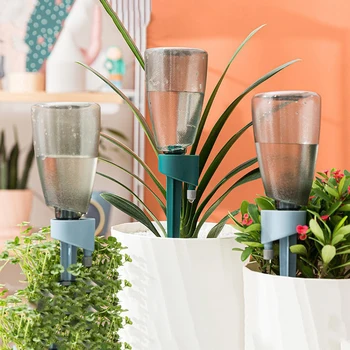
Install a Drip Irrigation System
Drip lines deliver water directly to the root zone, reducing evaporation by up to 70% compared to sprinklers.
- Tip: Use a timer set to early morning or late evening to further minimize water loss.
- Trick: Add a pressure regulator and filter to prevent clogging from organic debris.
Mulch Generously
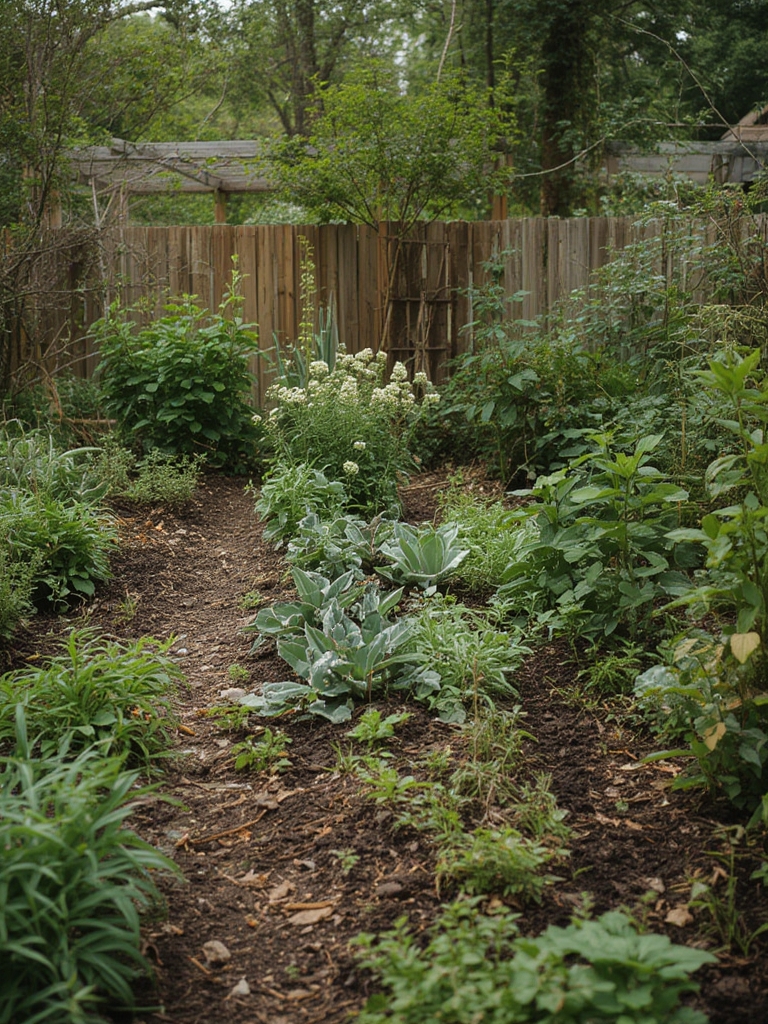
Apply a 2–3 inch layer of organic mulch—such as straw, wood chips, or shredded leaves—to retain moisture, suppress weeds, and gradually enrich the soil.
- Actionable Advice: Replenish mulch annually; it decomposes and adds valuable nutrients back into the ground.
4. Foster Soil Health
Practice Crop Rotation
Rotate plant families each season (e.g., legumes → leafy greens → root vegetables) to break pest cycles and balance nutrient use.
- Tip: Keep a simple spreadsheet to track which crops occupied each plot.
Introduce Beneficial Microorganisms
Apply mycorrhizal fungi or compost tea to enhance root absorption of nutrients and improve plant resilience.
- Trick: Brew compost tea using a breathable bag and let it steep for 24–48 hours; dilute 1:10 before watering.
5. Add Personality with Creative Wall Décor
Vertical Gardens and Living Walls
Transform a blank fence or patio wall into a living artwork using pocket planters, pallet gardens, or modular wall‑mounted trays.
- Tip: Choose a mix of foliage textures—soft ferns, bold succulents, and trailing herbs—to create visual interest.
- Actionable Advice: Install a drip line behind the wall to keep the vertical garden hydrated without over‑watering the ground.
Eco‑Friendly Wall Art
Incorporate reclaimed wood panels, upcycled metal sculptures, or mosaic tiles made from broken pottery. These pieces not only beautify the space but also reduce waste.
- Tip: Paint a mural with natural, non‑toxic pigments that reflect sunlight, helping to keep the wall cooler.
- Trick: Hang birdhouses or bat boxes made from reclaimed materials to invite beneficial wildlife.
Functional Décor: Trellises and Lattice
Use decorative trellises for climbing plants like beans, peas, or flowering vines. Choose designs that double as art—think wrought‑iron scrollwork or bamboo lattice.
- Actionable Advice: Secure trellises with stainless steel brackets to prevent rust and ensure longevity.
6. Maintain and Harvest Responsibly
Regular Monitoring
Inspect plants weekly for signs of pests, disease, or nutrient deficiencies. Early detection prevents larger problems.
- Tip: Use neem oil or homemade garlic spray as a gentle, organic pest deterrent.
Harvest at Peak Ripeness
Pick vegetables and herbs when they’re at their prime to encourage continuous production and maintain flavor.
- Actionable Advice: Keep a harvest log; noting dates helps you predict future yields and plan succession planting.
7. Celebrate Your Sustainable Garden
Share your garden’s progress on social media or a personal blog, using before‑and‑after photos of your wall décor and plant beds. Not only does this inspire others, but it also creates a supportive community that can exchange seeds, tips, and encouragement.
By following these data‑driven steps, you’ll cultivate a garden that thrives on minimal resources, supports biodiversity, and reflects your unique style. Happy planting, and enjoy the vibrant, sustainable oasis you’ve created!