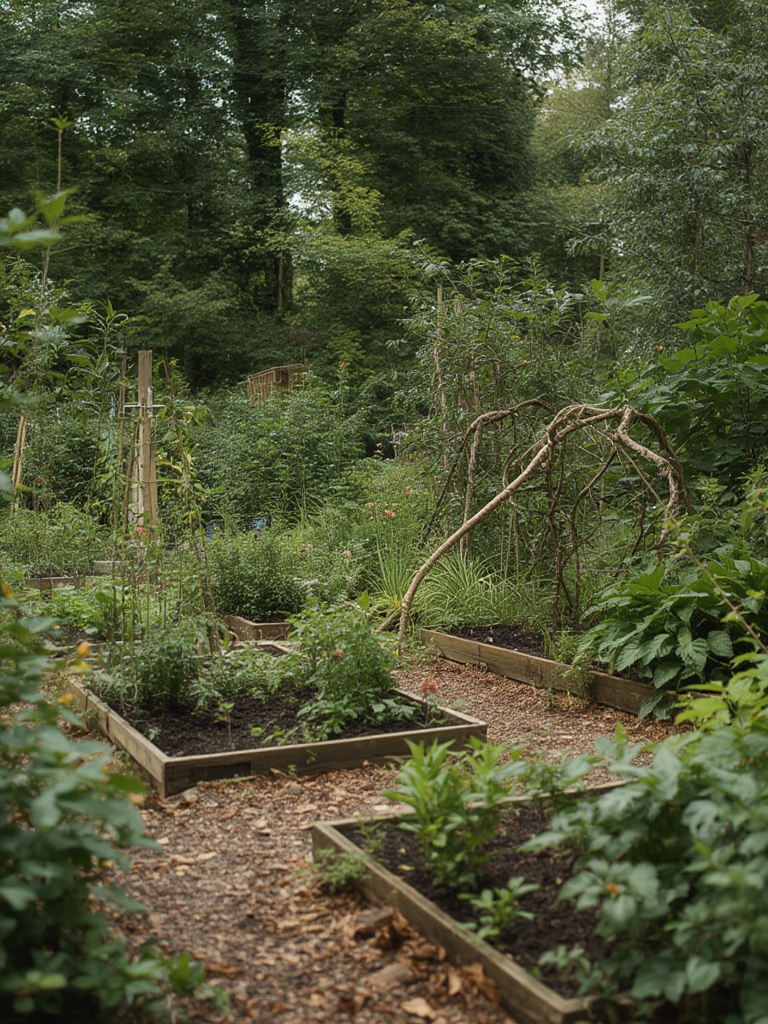

Welcome to your step‑by‑step guide on sustainable gardening—where eco‑friendly practices meet delicious, exotic herbs that will transform your meals. This post blends data‑driven insights with practical, actionable advice, so you can build a thriving garden that conserves resources, supports biodiversity, and yields flavorful harvests.
Why Choose Sustainable Gardening?
Research from the Journal of Environmental Horticulture shows that gardens using sustainable methods reduce water consumption by up to 50 % and increase soil carbon by 20 % over five years. By adopting these practices, you’ll:

- Lower your carbon footprint.
- Improve soil health and biodiversity.
- Save money on water and chemical inputs.
- Harvest herbs that add exotic flavors to everyday dishes.
Step 1: Planning Your Sustainable Garden Layout
Assess Sunlight, Soil, and Space
Use a sun‑mapping app or a simple notebook to record the amount of direct sun each spot receives over a week. Aim for at least 6 hours of sunlight for most herbs, but note that mint and lemongrass tolerate partial shade.
Actionable tip: Mark sunny zones with garden stakes labeled “6+ hrs” and shade zones with “≤4 hrs.” This visual cue prevents mis‑planting.
Design for Water Efficiency
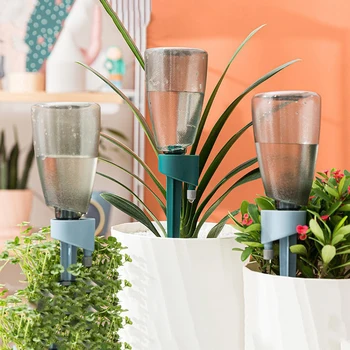
Incorporate rainwater harvesting and drip irrigation into your layout. According to the EPA, drip systems can cut water use by 30‑50 % compared with overhead sprinklers.
Actionable tip: Install a 50‑gallon rain barrel at the highest point of your garden and connect it to a timer‑controlled drip line. Use a pressure regulator to avoid over‑watering.
Step 2: Building Healthy Soil
Start with a Soil Test
Send a sample to a local extension service or use a DIY test kit. Look for pH between 6.0–7.0 for most herbs. If the pH is off, amend with lime (to raise) or sulfur (to lower).

Actionable tip: Add 2 lb of compost per square foot to raise organic matter. Compost improves water retention and provides slow‑release nutrients.
Implement Mulching and Cover Crops
Data from the USDA indicates that mulched beds retain 2‑3 times more moisture than bare soil. Use straw, shredded leaves, or wood chips as mulch.
Actionable tip: Plant a winter cover crop such as clover or vetch after your herb harvest. These legumes fix nitrogen, reducing the need for synthetic fertilizers.
Step 3: Selecting Exotic Herbs for Flavorful Meals
Below are five herbs that thrive in sustainable gardens and bring bold, global tastes to your kitchen.
1. Thai Basil (Ocimum basilicum ‘Thai’)
- Flavor: Sweet, anise‑like with a hint of pepper.
- Growing tip: Plant in warm soil (≥70 °F). Space 12‑inch apart; prune regularly to prevent flowering, which reduces leaf flavor.
- Kitchen use: Stir‑fry, curries, and fresh spring rolls.
2. Lemon Verbena (Aloysia citrodora)
- Flavor: Bright citrus with a floral finish.
- Growing tip: Prefers well‑drained soil and full sun. Water deeply but allow the top inch to dry between watering.
- Kitchen use: Infuse teas, desserts, and seafood marinades.
3. Mexican Oregano (Lippia graveolens)
- Flavor: Earthy, slightly peppery—stronger than Mediterranean oregano.
- Growing tip: Tolerates heat and drought; ideal for xeriscape beds. Prune after flowering to keep plants compact.
- Kitchen use: Chili sauces, tacos, and bean soups.
4. Ethiopian Cardamom (African pepper – Amomum subulatum)
- Flavor: Warm, spicy, and slightly sweet.
- Growing tip: Needs partial shade and moist, humus‑rich soil. Use a raised bed to improve drainage.
- Kitchen use: Spice rubs, baked goods, and traditional coffee blends.
5. Shiso (Perilla frutescens)
- Flavor: Bright, herbaceous with a hint of mint and citrus.
- Growing tip: Plant in early spring; it tolerates light frost. Harvest leaves when 4–6 inches tall for best flavor.
- Kitchen use: Sushi rolls, salads, and infused oils.
Step 4: Planting and Caring for Your Herbs
Seed Starting vs. Transplants
Data from University of California Extension shows transplants have a 20 % higher survival rate for perennials. Start seeds indoors 6‑8 weeks before the last frost, then harden off before planting outdoors.
Actionable tip: Use biodegradable peat pots; they can be planted directly into the soil, reducing root disturbance.
Watering Best Practices
Apply water at the base of the plant early in the morning. This reduces evaporation and limits fungal disease.
Actionable tip: Set your drip timer to 15 minutes per zone, three times a week, adjusting for rainfall (skip watering when >0.5 in rain falls).
Fertilizing Sustainably
Use organic liquid kelp or fish emulsion at half the recommended rate. These provide micronutrients without the runoff associated with synthetic fertilizers.
Actionable tip: Apply a ¼‑inch layer of compost mulch after each harvest to replenish nutrients naturally.
Pest Management the Eco‑Friendly Way
According to the Integrated Pest Management (IPM) Handbook, companion planting reduces pest pressure by up to 40 %.
- Companion pairings: Plant marigold near basil to deter aphids.
- Physical barriers: Use floating row covers for seedlings during peak insect activity.
- Biological controls: Introduce beneficial nematodes for soil‑dwelling pests.
Step 5: Harvesting and Storing Your Exotic Herbs
When to Harvest
Harvest leaves in the morning after the dew dries but before the sun’s heat peaks. This preserves essential oils and flavor intensity.
Actionable tip: Use clean, sharp scissors to cut just above a node. This encourages new growth and prevents plant stress.
Preservation Techniques
- Drying: Hang small bundles upside down in a dark, well‑ventilated area for 1‑2 weeks. Store dried leaves in airtight jars away from light.
- Freezing: Chop fresh herbs, place in ice‑cube trays with a little water or olive oil, then freeze. This locks in flavor for sauces and soups.
- Infusing: Combine fresh leaves with vinegar or oil for a quick, aromatic condiment.
Step 6: Monitoring and Adapting Over Time
Track key metrics in a simple garden journal or a spreadsheet: water usage (gallons), growth rate (inches per week), and yield (grams per plant). Over a season, compare these numbers against your baseline data to identify areas for improvement.
Actionable tip: Set a quarterly reminder to review your data, adjust irrigation schedules, and rotate crops to maintain soil health.
Final Thoughts
By integrating data‑driven planning, water‑wise infrastructure, and a curated selection of exotic herbs, you’ll create a sustainable garden that not only conserves resources but also enriches your culinary adventures. Start small, measure your results, and let each successful harvest inspire the next round of eco‑friendly growth.