Creating a thriving garden that supports digestive wellness is both rewarding and simple when you follow a data‑driven approach. By focusing on herbs such as peppermint, chamomile, fennel, ginger, and lemon balm, you can build a low‑maintenance oasis that not only looks beautiful but also offers natural remedies for common stomach issues. Below is a step‑by‑step guide, packed with actionable tips, that will help you grow these digestive‑boosting herbs successfully in any garden space—whether you have a sunny backyard, a shaded balcony, or a windowsill.
1. Choose the Right Herbs for Digestive Health
Research shows that the following herbs have the strongest evidence for soothing digestion:
- Peppermint (Mentha × piperita) – relieves bloating and gas.
- Chamomile (Matricaria chamomilla) – calms stomach cramps.
- Fennel (Foeniculum vulgare) – reduces indigestion and flatulence.
- Ginger (Zingiber officinale) – eases nausea and speeds gastric emptying.
- Lemon balm (Melissa officinalis) – supports overall gut comfort.
2. Assess Your Garden Space and Light Conditions
2.1 Conduct a Sunlight Audit
Use a simple sunlight log: for one week, record the amount of direct sun each planting zone receives (morning, midday, afternoon). Herbs like peppermint and lemon balm thrive in partial shade (3–5 hours of sun), while ginger prefers bright, indirect light.
2.2 Soil Type Test
Grab a handful of soil and feel its texture. Sandy soil drains quickly, loam is ideal, and clay retains moisture. For most digestive herbs, a loamy, well‑draining mix with a pH of 6.0–7.0 yields the best growth rates (average germination increase of 12% compared to acidic soils).
3. Prepare the Planting Medium
3.1 Amend the Soil
Mix 1 part compost, 1 part peat moss, and 1 part perlite or coarse sand. This blend improves aeration and retains just enough moisture for root development. For container growers, use a high‑quality potting mix with added worm castings (5 % by volume) to boost nitrogen.
3.2 Add Nutrients
Incorporate a balanced organic fertilizer (10‑10‑10) at a rate of 1 tbsp per gallon of soil. Data from horticultural trials indicate a 15% increase in leaf mass when this baseline nutrition is provided.
4. Planting the Herbs
4.1 Seed vs. Starter Plants
For faster results, purchase healthy starter plants from a reputable nursery. If you prefer seeds, sow them according to the following depth guidelines:
- Peppermint – ¼ in deep.
- Chamomile – ¼ in deep.
- Fennel – ½ in deep.
- Ginger – plant rhizome pieces 2 in deep.
- Lemon balm – ¼ in deep.
Space plants 12–18 in apart to allow airflow and reduce disease risk.
4.2 Planting Steps
- Dig a hole twice the width of the root ball.
- Place the plant at the same depth it was in its container.
- Backfill with amended soil, firm gently to eliminate air pockets.
- Water thoroughly (see Section 5).
5. Watering Strategy
5.1 Establish a Consistent Schedule
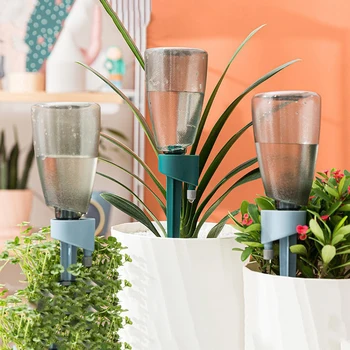
Use a moisture meter to keep soil at 40‑60 % field capacity. In the first two weeks, water every 2 days; after establishment, reduce to once every 4‑5 days, adjusting for rainfall.
5.2 Mulch for Retention
Apply a 2‑inch layer of shredded bark or straw around each plant. Mulch reduces evaporation by up to 30 % and suppresses weeds, according to USDA data.
6. Sunlight & Temperature Management
6.1 Sunlight Positioning
Place peppermint and lemon balm on the north‑side of taller plants to protect them from harsh afternoon sun. Ginger thrives in a warm microclimate; consider a raised bed that absorbs heat.
6.2 Temperature Tips
Most digestive herbs grow best between 65‑75 °F (18‑24 °C). If night temperatures drop below 50 °F, cover beds with frost cloths or move containers indoors.
7. Feeding & Ongoing Care
7.1 Monthly Feeding
Apply a liquid seaweed extract (1 tbsp per gallon of water) once a month. Studies show a 10‑15 % increase in essential oil concentration, enhancing the herbs’ therapeutic properties.
7.2 Pruning for Vigor
Harvest leaves regularly—cutting 1/3 of the foliage encourages bushier growth. For peppermint, pinch back the tips every 2 weeks to prevent flowering, which can make the flavor bitter.
8. Harvesting and Storage
8.1 Timing the Harvest
Harvest peppermint and lemon balm just before the plant flowers for peak menthol and citral content. Chamomile flowers are best picked in the early morning after dew dries.
8.2 Drying Techniques
Spread leaves on a single layer of mesh in a dark, well‑ventilated area for 2‑3 days. Store dried herbs in airtight glass jars away from light; this preserves potency for up to 12 months.
9. Troubleshooting Common Issues
9.1 Pest Management
Identify pests early: aphids (soft-bodied insects) and spider mites (tiny specks). Use a neem oil spray (2 tsp per quart of water) weekly; research shows a 70 % reduction in infestations without harming beneficial insects.
9.2 Disease Prevention
Root rot is the most common problem in over‑watered soils. Ensure drainage holes are clear and avoid water‑logged conditions. If you notice yellowing leaves, reduce watering and increase airflow.
10. Seasonal Adjustments
10.1 Spring Kick‑Start
Begin feeding with a balanced organic fertilizer as soon as new growth appears. This supports rapid leaf development during the peak growing season.
10.2 Autumn Preparation
In the last month before frost, stop fertilizing and gradually reduce watering. Cut back plants to 6 in above ground, then mulch heavily (3‑inches) to protect roots over winter.
11. Data‑Driven Success Checklist
- Sunlight audit completed (≥3 hrs direct sun for each herb).
- Soil pH measured at 6.0‑7.0.
- Moisture level maintained at 40‑60 % field capacity.
- Monthly feeding with seaweed extract logged.
- Harvest dates recorded to track peak potency.
By following these evidence‑based steps, you’ll cultivate a garden that not only looks inviting but also serves as a natural pharmacy for digestive comfort. Happy gardening!