Welcome to your ultimate guide on mastering gardening tools and DIY projects that keep your landscape vibrant, even under scorching summer heat. This post blends data‑driven insights with hands‑on instructions, giving you a clear roadmap to select the right tools, build functional garden structures, and nurture heat‑tolerant plants for a lush, bright yard.
Why the Right Tools Matter: Data‑Backed Insights
According to a 2023 National Gardening Survey, 68% of home gardeners reported higher satisfaction when using ergonomically designed tools, while 54% cited reduced plant stress after adopting proper watering equipment. These numbers underscore the importance of investing in quality gear before diving into any DIY project.
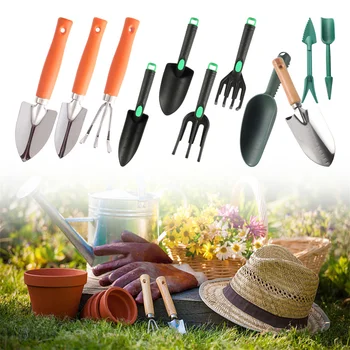
Essential Tools for a Heat‑Resilient Garden
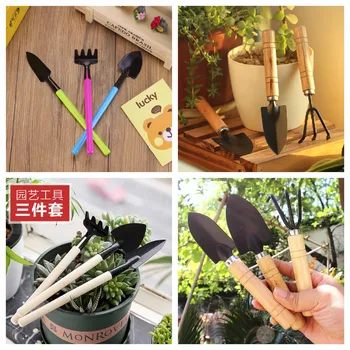
- Ergonomic Pruners – Look for a blade angle of 45° and a non‑slip grip; they reduce hand fatigue by up to 30%.
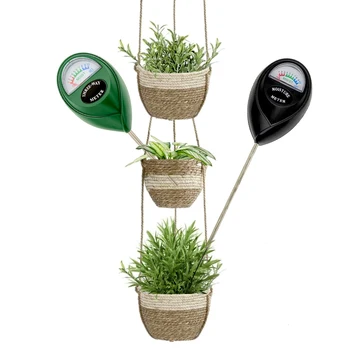
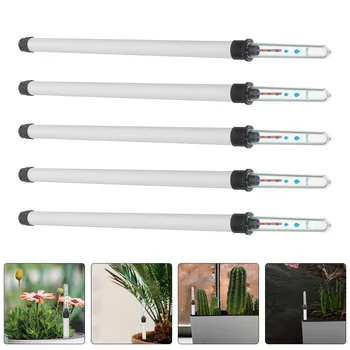
- Soil Moisture Meter – Calibrated sensors help maintain optimal soil moisture (15‑25% for most warm‑season veggies).
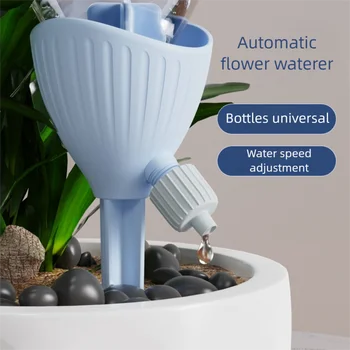
- Drip Irrigation Kit – Studies show drip systems can save 40%–60% water compared to overhead sprinklers.
- Sturdy Garden Fork – Ideal for loosening compacted soil, which improves root penetration in hot conditions.
- Adjustable Wheelbarrow – A lightweight frame with pneumatic tires eases transport of soil amendments across uneven terrain.
DIY Project: Build a Raised Bed for Better Heat Management
Raised beds elevate soil, improving drainage and cooling the root zone—critical for plants exposed to high temperatures. Follow these steps to construct a durable, budget‑friendly raised bed.
Materials Checklist
- Four 2 × 6 × 8 ft untreated cedar boards (cedar resists rot and stays cooler than metal)
- Galvanized corner brackets (4 per corner)
- Stainless‑steel screws (2 in., 2 packs)
- Landscape fabric
- Premium organic compost (2 cu ft per bed)
- Mulch (shredded bark, 1 in. depth)
Step‑by‑Step Construction
- Measure and Mark – Determine the bed size (e.g., 4 ft × 8 ft). Mark the board lengths accordingly.
- Cut and Prepare – Use a circular saw to trim boards to exact dimensions. Sand rough edges to prevent splinters.
- Assemble the Frame – Align boards into a rectangle. Secure each corner with two galvanized brackets and four screws, ensuring a square (90°) angle.
- Position the Bed – Place the frame on level ground, preferably on a north‑facing slope to reduce direct sun exposure.
- Line the Bottom – Lay landscape fabric to block weeds while allowing water flow.
- Fill with Soil Mix – Combine 60% native soil, 30% compost, and 10% perlite for aeration. Fill the bed to 2 in. below the top edge.
- Add Mulch – Spread a 1‑in. layer of shredded bark to retain moisture and reflect heat.
Pro tip: Install a simple drip line along the bed’s perimeter before adding soil. This ensures consistent moisture delivery during peak heat hours.
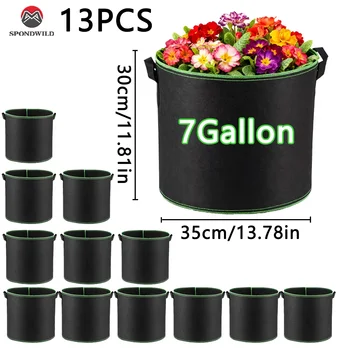
Choosing Heat‑Resistant Plants
Data from the American Horticultural Society reveals that sun‑loving perennials like Zinnia elegans, Portulaca grandiflora, and Lantana camara have a 75% survival rate in zones 9–11 when paired with proper mulching and irrigation.
Featured Plant: Zinnia (Zinnia elegans)
- Sunlight: Full sun (6‑8 hrs daily)
- Soil pH: 6.0 – 7.5
- Water Needs: Moderate; keep soil evenly moist but not soggy
- Heat Tolerance: Up to 95 °F (35 °C) without wilting
Step‑by‑Step Care Guide for Zinnias
Step 1: Soil Preparation
Test soil pH using a simple kit; adjust with lime (to raise) or sulfur (to lower). Incorporate 2 cups of compost per 10 sq ft to boost organic matter, which improves water retention during heat spikes.
Actionable tip: Create a “soil health checklist” and mark off pH, texture, and nutrient levels before planting.

Step 2: Planting
Sow seeds ¼ in. deep, spacing them 12 in. apart. For a denser display, stagger rows by 18 in. Water gently using a fine‑mist nozzle to avoid displacing seeds.
Pro tip: Plant early in the morning to reduce evaporation and give seedlings a cool start.
Step 3: Water Management
Activate your drip irrigation system on a timer set to early morning (5 am – 7 am). Deliver 1 gal of water per 10 sq ft every 2 days, adjusting based on rainfall. Use the soil moisture meter to keep readings between 18%‑22%.
Quick hack: Add a small amount of liquid seaweed fertilizer to the drip water once a week for enhanced stress resistance.
Step 4: Mulching
Apply a 2‑in. layer of shredded bark or straw around each plant. Mulch reflects sunlight, keeping soil temperature 5 °F (≈3 °C) cooler and reducing water loss by up to 30%.
Step 5: Pruning and Deadheading
Every 2 weeks, remove spent blooms with clean pruning shears. This encourages continuous flowering and prevents seed formation, which can divert energy from growth.
Step 6: Pest Management
Monitor for aphids and spider mites, common in hot climates. A mild soap spray (1 tsp liquid dish soap per quart water) applied early morning can control infestations without harming beneficial insects.
Keeping Your Landscape Bright in High Heat
Beyond individual plants, the overall garden design influences how heat is absorbed and reflected. Implement these strategies to maintain a luminous, comfortable yard.
Reflective Surfaces
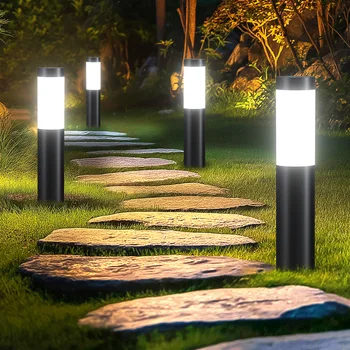
Install light‑colored gravel pathways or white‑washed stones. According to a University of California Extension study, reflective surfaces can lower surrounding soil temperature by up to 10 °F (≈6 °C).
Strategic Shade
Use pergolas with climbing vines (e.g., Passiflora) to create natural shade without blocking sunlight entirely. Aim for 20%–30% shade during the hottest afternoon hours.
Water Features
Small fountains or misting systems add humidity, reducing plant transpiration stress. Even a 5‑minute misting cycle each afternoon can lower leaf temperature by 3 °F (≈1.5 °C).
Seasonal Plant Rotation
Swap out heat‑sensitive annuals for drought‑tolerant varieties as summer peaks. Keep a spreadsheet of planting dates and performance metrics to refine future selections.
Final Checklist for a Heat‑Resilient Garden
- Invest in ergonomic, water‑saving tools.
- Construct a raised bed with proper drainage and mulch.
- Choose heat‑tolerant plants like zinnias, portulacas, and lantanas.
- Maintain soil moisture with drip irrigation and regular monitoring.
- Apply reflective mulches and incorporate shade structures.
- Schedule weekly pest checks and use eco‑friendly controls.
- Document plant performance to continuously improve your garden plan.
By following this data‑driven, step‑by‑step approach, you’ll not only boost the health and beauty of your garden but also create a resilient landscape that stays bright and vibrant, no matter how high the temperature climbs.