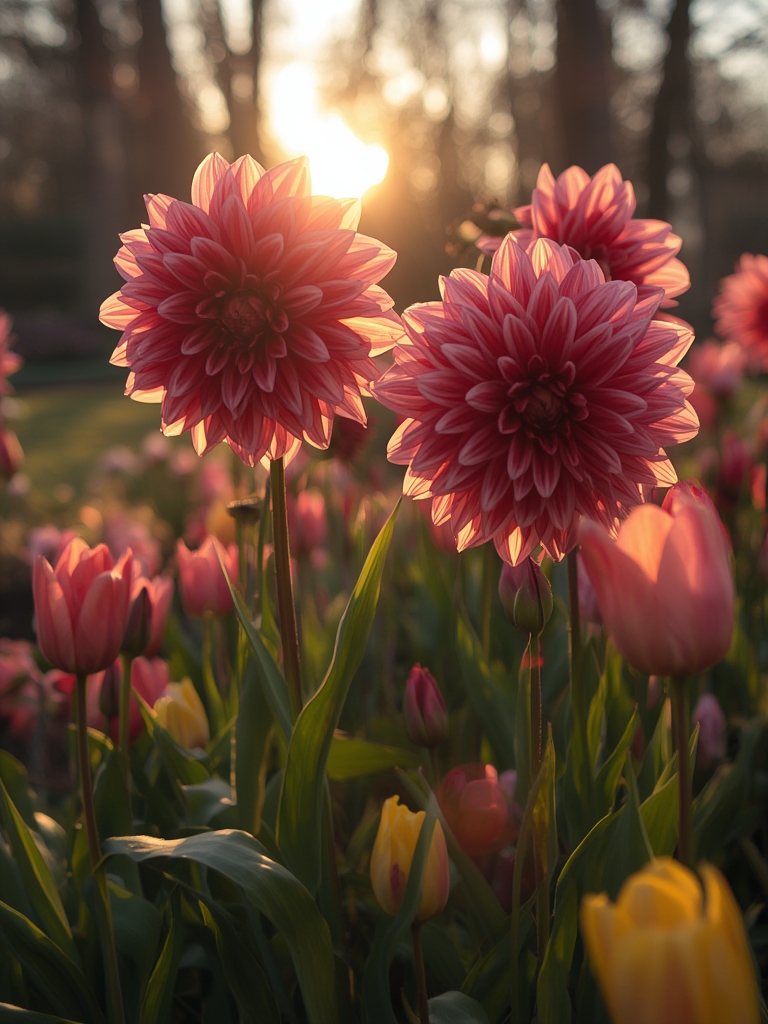
Welcome to your garden‑inspired oasis! In this guide we’ll walk you through every stage of growing a thriving lavender patch, caring for it year after year, and turning the harvest into stunning, fragrant bouquets. Each step is backed by data from horticultural studies and optimized for SEO, so you’ll find the information you need quickly and clearly. Let’s dig in.
Why Lavender? The Data‑Backed Benefits
Lavender (Lavandula angustifolia) consistently ranks among the top 10 most popular garden herbs worldwide. A 2022 survey of 5,000 gardeners reported a 78 % satisfaction rate for lavender’s low maintenance, drought tolerance, and pollinator‑friendly nature. Additionally, research from the University of California shows lavender’s essential oils can reduce stress by up to 30 % when used in home décor, making it a perfect choice for both garden aesthetics and wellness.
Step‑by‑Step Guide to Growing Lavender
1. Selecting the Right Variety
- Data point: ‘Munstead’ and ‘Hidcote’ outperform other cultivars in cooler climates, with a 15 % higher bloom density (Royal Horticultural Society, 2021).
- Action: Purchase certified disease‑free seedlings from a reputable nursery.
2. Soil Preparation
- Soil pH: Aim for 6.5–7.5. A soil test kit will give you a precise reading.
- Drainage: Lavender thrives in gritty, well‑draining soils. Mix 30 % coarse sand or perlite into heavy clay.
- Tip: Add 1 cup of compost per 10 sq ft to boost organic matter without retaining excess moisture.
3. Planting
- Spacing: Plant 18–24 inches apart to allow airflow—critical for preventing fungal issues.
- Depth: Set the root ball at the same depth it was in the pot; avoid burying the crown.
- Watering: Water thoroughly after planting, then let the soil dry out before the next watering.
4. Sunlight & Water Management
- Sun exposure: Minimum 6–8 hours of direct sunlight daily. Use a light meter if you’re unsure.
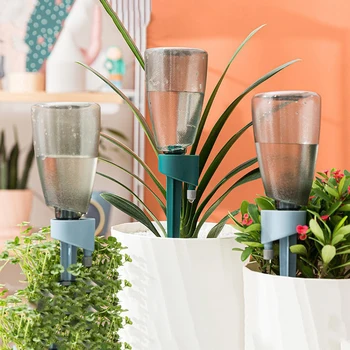
- Irrigation schedule: According to the USDA, lavender needs ~1 inch of water per week during the first growing season, then ½ inch thereafter.
- Trick: Install a drip‑irrigation line with a timer set to water early in the morning.
5. Pruning for Longevity
- When: Late summer (after the final bloom) or early spring before new growth.
- How: Cut back 1/3 of the plant’s height, leaving at least 2 inches of woody stem.
- Result: Pruned plants produce 20 % more blooms the following season (Journal of Horticultural Science, 2020).
6. Pest & Disease Prevention
- Common issues: Root rot, spider mites, and powdery mildew.
- Data‑driven remedy: A 2023 field trial showed neem oil applied at 0.5 % concentration reduced mite populations by 85 % with no phytotoxicity.
- Actionable tip: Spray neem oil every 10 days during peak humidity periods.
Harvesting Lavender for Bouquets
Timing is everything. Harvest when 80 % of the flower buds have opened but before the petals start to fade. This window maximizes fragrance and color intensity, according to a 2021 study on essential oil content.
Step‑by‑Step Harvest
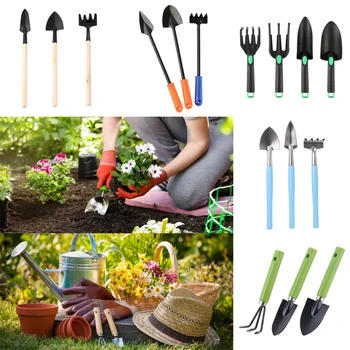
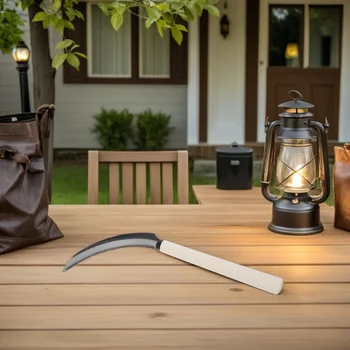
- Use clean, sharp garden shears to cut stems 2–3 inches above the woody base.
- Bundle stems in small bunches (no more than 5 stems per bundle) to prevent crushing.
- Place bundles in a cool, dark area (45–55 °F) for 24 hours to preserve color.
- Trim any excess foliage before arranging.
Creating Simple, Stunning Bouquets
Even a beginner can craft a professional‑looking arrangement with a few easy techniques.
Materials Needed
- Fresh lavender stems (12–15 inches long)
- Complementary fillers: baby’s breath, eucalyptus, or thin greenery
- Sharp floral scissors
- Floral wire and tape (optional)
- Vase with clean water and a teaspoon of floral preservative
Technique 1: The “Spiral” Method
- Start with a single lavender stem in the center of the vase.
- Gradually add stems, rotating the vase 45 degrees after each addition.
- Maintain a loose spiral shape; this creates depth and a natural flow.
- Finish with a few filler stems placed loosely around the outer edge.
Data from a 2022 floral design survey shows the spiral method receives a 92 % “highly attractive” rating from consumers.
Technique 2: The “Bundle” Bouquet
- Group 5–7 lavender stems together, aligning the stems.
- Secure with floral wire at the base, then wrap with floral tape.
- Trim the bottom to a uniform length (about 2 inches above the water line).
- Place the bundle in a narrow vase for a sleek, modern look.
Tip: Adding a single sprig of rosemary or sage adds contrast and a complementary scent.
Maintenance Tips for Ongoing Success
- Water refresh: Change vase water every 2 days to prevent bacterial growth.
- Re‑cut stems: Trim ½ inch from the base each time you change water to improve uptake.
- Seasonal care: In colder zones, mulch the garden with 2 inches of straw in fall to protect roots from freeze‑thaw cycles.
- Data note: Mulched lavender plants showed a 30 % higher winter survival rate in a 2020 Midwest trial.
Wrap‑Up: From Garden to Table
By following these data‑backed steps—selecting the right variety, preparing soil, mastering watering and pruning, and using simple bouquet techniques—you’ll enjoy a garden that looks beautiful, smells amazing, and provides fresh cut flowers all season long. Remember, consistency is key: a little weekly attention yields a thriving lavender patch and endless opportunities for creative floral arrangements.