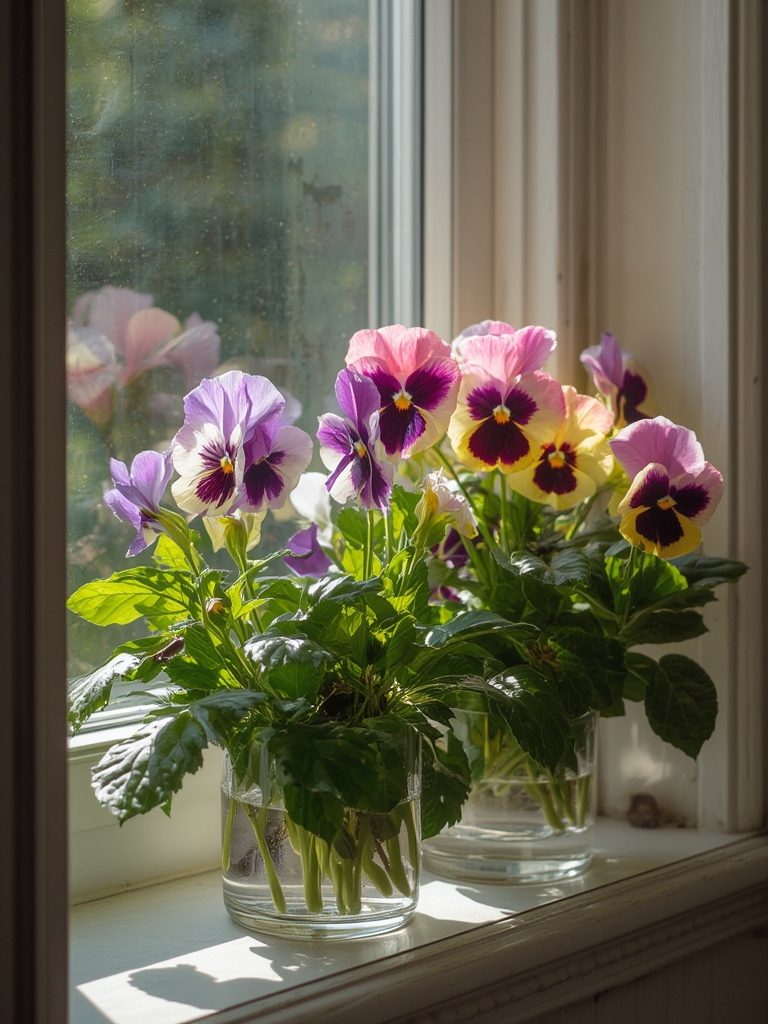
Creating a thriving herbs and aromatic garden not only fills your kitchen with fresh flavors but also transforms your outdoor space into a fragrant sanctuary. By selecting the right varieties, preparing the soil properly, and following a few proven care steps, you can enjoy beautiful blooms deep into autumn while harvesting culinary and medicinal herbs all season long.
1. Choose the Right Herbs for Your Climate and Space
Start by matching herb varieties to your local climate zone and garden conditions. Below is a quick reference:
- Cool‑season herbs: mint, chives, parsley, thyme – thrive in partial shade and cooler temperatures.
- Warm‑season herbs: basil, rosemary, oregano, sage – need full sun and well‑drained soil.
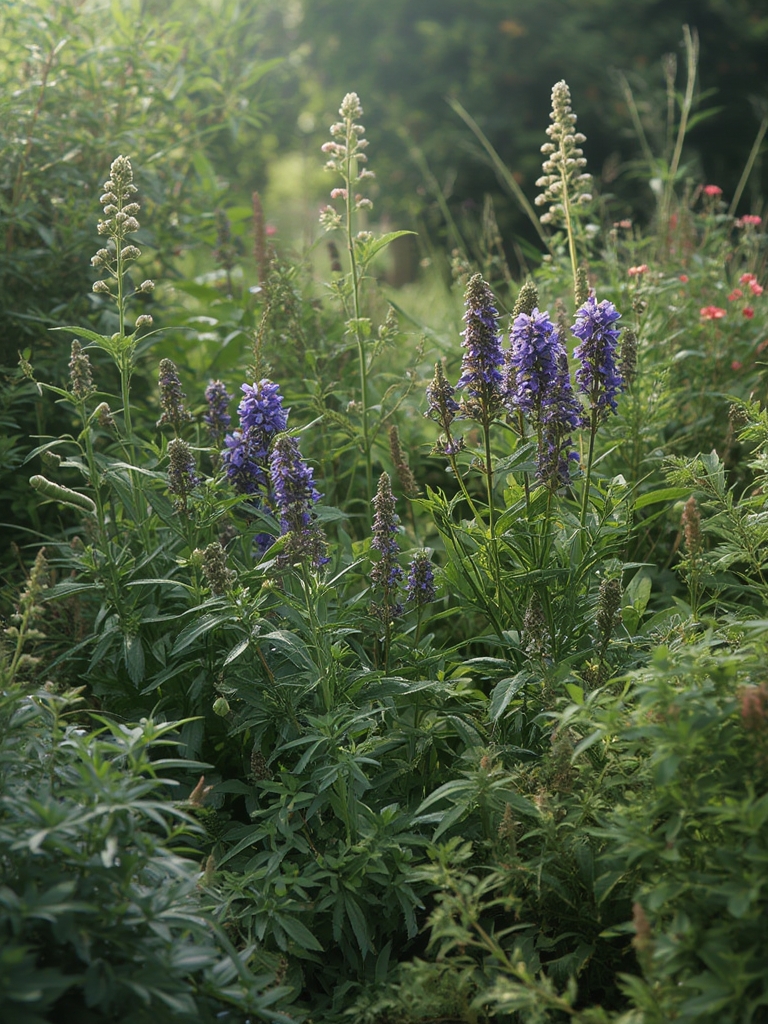
- Aromatic perennials: lavender, lemon balm, catnip – provide year‑round scent and attract pollinators.
Tip: Use a USDA hardiness map or local extension service to verify which herbs survive your winter lows.
2. Prepare the Soil – The Foundation of Success
Test and Amend
Conduct a simple soil test (available at garden centers) to check pH and nutrient levels. Most herbs prefer a slightly alkaline to neutral pH (6.5‑7.0). Amend the soil as follows:
- Low pH (<6.0): Add garden lime at 1 lb per 10 sq ft.
- High pH (>7.5): Incorporate elemental sulfur at ½ lb per 10 sq ft.
- Poor drainage: Mix in coarse sand or perlite (30 % of the soil volume).
Practical tip: Blend in well‑rotted compost (2‑3 inches deep) to improve moisture retention without waterlogging the roots.
Layout for Airflow
Space herbs 12‑18 inches apart for compact varieties (e.g., thyme) and 24‑30 inches for larger plants (e.g., rosemary). This spacing encourages good air circulation, reducing fungal diseases and allowing each plant to receive adequate sunlight.
3. Planting – Timing and Technique
When to Plant
Follow these seasonal guidelines:

- Early spring (after last frost): Plant cool‑season herbs and hardy perennials.
- Late spring to early summer: Transplant warm‑season herbs once soil temperatures reach 65 °F.
- Fall planting: Add a second round of fast‑growing herbs like cilantro for a late‑season harvest.
Actionable advice: Use a planting depth equal to the size of the root ball; for seedlings, keep the crown at soil level to prevent rot.
Planting Steps
- Dig a hole twice the width of the root ball.
- Loosen the soil at the bottom and backfill with a mix of native soil and compost.
- Place the plant gently, ensuring the roots spread naturally.
- Water thoroughly to settle the soil and eliminate air pockets.
- Mulch with straw or shredded bark (1‑2 inches) to retain moisture and suppress weeds.
4. Watering and Feeding – Keep Herbs Happy
Water Management
Herbs generally dislike soggy roots. Follow these guidelines:
- Establishment phase (first 2‑3 weeks): Water daily, keeping the soil evenly moist.
- Established plants: Water deeply once a week, allowing the top 2 inches of soil to dry between sessions.
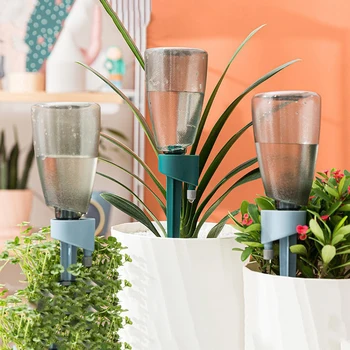
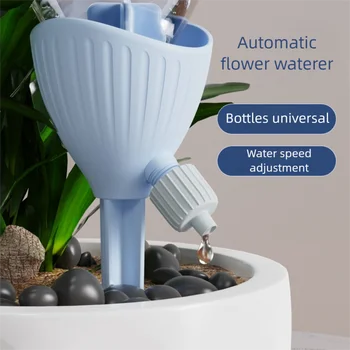
Tip: Use a drip irrigation system or soaker hose to deliver water directly to the root zone, reducing evaporation and leaf wetness.
Feeding Schedule
Herbs are light feeders. Apply a balanced organic fertilizer (10‑10‑10) at half the recommended rate once in early spring and again after the first major harvest. For aromatic perennials, a slow‑release granular fertilizer in early spring provides a steady nutrient supply.
5. Pruning and Harvesting – Encourage Growth and Extend Bloom Time
Regular Pruning
Pinch back the tips of herb stems when they reach 4‑6 inches tall. This promotes bushier growth and delays flowering, which can make leaves bitter. For woody herbs like rosemary, prune after the last frost, removing no more than one‑third of the plant.
Harvesting Techniques
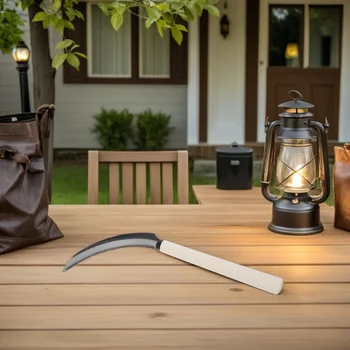
- Leafy herbs (basil, mint, parsley): Harvest in the morning after dew dries. Cut just above a leaf node to encourage new shoots.
- Woody herbs (rosemary, sage): Snip stems from the outer edges, leaving the inner growth untouched.
- Aromatic flowers (lavender, chamomile): Pick buds when they are just opening for maximum fragrance and essential oil content.
Actionable tip: Store freshly cut herbs in a glass of water like cut flowers, or wrap in a damp paper towel and refrigerate for up to a week.
6. Pest and Disease Management – Natural Solutions
Most herb gardens benefit from integrated pest management (IPM). Here are low‑impact strategies:
- Inspect weekly for aphids, spider mites, and whiteflies.
- Introduce beneficial insects such as ladybugs and lacewings.
- Use neem oil (spray at 1 % concentration) for fungal issues, applying early in the morning.
- Companion planting: Plant marigolds or garlic nearby to repel pests.
Remember: Healthy soil and proper spacing are the most effective disease preventatives.
7. Extending the Season – Enjoy Beautiful Blooms Deep Into Autumn
To keep your aromatic garden vibrant well past the typical growing season, follow these steps:
- Apply a layer of organic mulch (leaf litter or straw) in late summer to insulate roots.
- Reduce watering gradually as temperatures drop, encouraging plants to harden off.
- Deadhead spent flowers on lavender, rosemary, and other perennials to stimulate a second flush of blooms.
- Plant a few hardy annuals (e.g., calendula or nasturtium) among the herbs; they will bloom into November, adding color and attracting pollinators.
By following these practices, your herb and aromatic garden will not only provide fresh flavors but also remain a fragrant, colorful focal point well into the cooler months.
8. Quick Reference Checklist
- ✔️ Choose climate‑appropriate herbs.
- ✔️ Test soil pH; amend to 6.5‑7.0.
- ✔️ Space plants for airflow.
- ✔️ Plant at proper depth; mulch.
- ✔️ Water deeply weekly; drip irrigation preferred.
- ✔️ Feed lightly with organic fertilizer twice a year.
- ✔️ Pinch and prune regularly.
- ✔️ Harvest in the morning; store properly.
- ✔️ Use IPM for pests; add beneficial insects.
- ✔️ Mulch and deadhead for autumn blooms.
With these data‑driven steps and practical tips, you’re equipped to build a resilient herbs and aromatic garden that delights the senses, supports culinary creativity, and offers a lasting visual showcase. Happy gardening!