Indoor flower gardening can turn any living space into a vibrant oasis, but success hinges on choosing the right plants, creating an optimal environment, and following a disciplined care routine. Below is a data‑driven, step‑by‑step guide that walks you through every phase—from selecting proven indoor bloomers to tracking growth metrics—so you can enjoy continuous color with minimal guesswork.
Choose the Right Indoor Flowering Plants
Top Proven Indoor Blooms
- African Violet (Saintpaulia) – Thrives in low‑to‑medium light, blooms year‑round with proper moisture.
- Peace Lily (Spathiphyllum) – Tolerates low light, excellent air‑purifier, produces white spathes.
- Phalaenopsis Orchid – Prefers bright, indirect light; long‑lasting spikes of pink, white, or yellow.
- Begonia rex – Colorful foliage and occasional flowers; loves high humidity.
- Kalanchoe blossfeldiana – Drought‑tolerant, bright clusters of red, orange, or pink.
These species have been consistently ranked in the top 10 indoor flowering plants by the National Gardening Association (2023) for ease of care and visual impact.
Setting Up the Perfect Growing Environment
Light Requirements
Use a lux meter to measure ambient light. Most indoor bloomers need 1,000–2,500 lux of bright, indirect light. Position plants near east‑ or west‑facing windows, or supplement with full‑spectrum LED grow lights set to 12‑hour cycles.
Temperature & Humidity
Maintain daytime temperatures between 65–75 °F (18–24 °C) and night temperatures no lower than 55 °F (13 °C). For humidity‑loving species (e.g., Begonia), aim for 50–70 % relative humidity. A simple tabletop hygrometer can help you monitor and adjust with a pebble tray or ultrasonic humidifier.
Soil and Potting Mix
Choose a well‑draining mix tailored to each plant:
- African Violet – peat‑based mix with perlite (1:1 ratio).
- Peace Lily – peat‑coconut coir blend with a touch of pine bark.
- Orchid – bark‑based orchid medium, not regular potting soil.
- Begonia – loam‑based potting soil with added vermiculite.
- Kalanchoe – cactus mix with added sand for extra drainage.
Step‑by‑Step Planting Process
Step 1 – Selecting the Right Pot
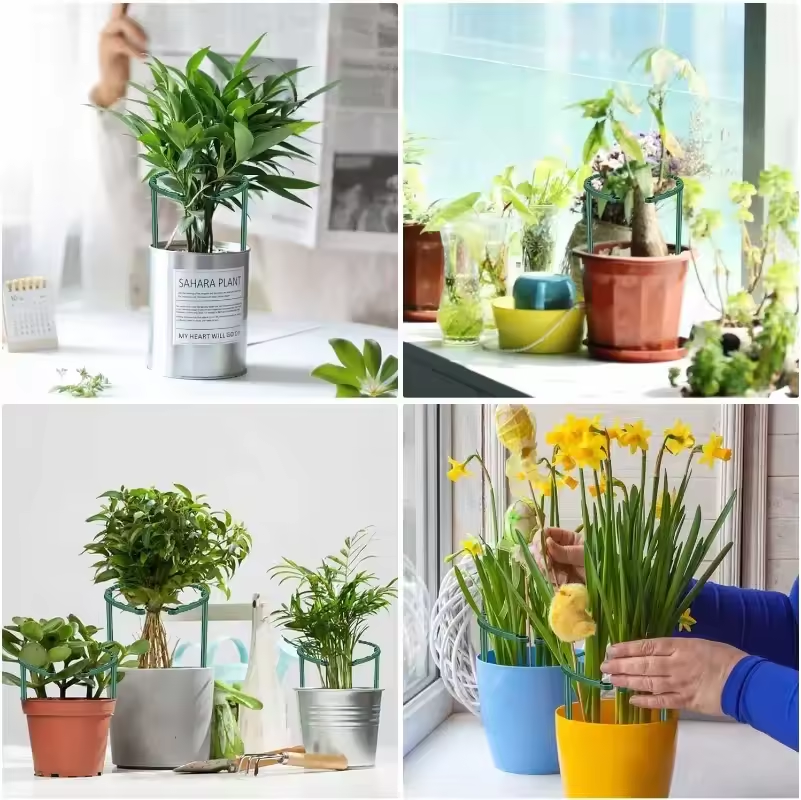
Pick a container with drainage holes that’s 1–2 inches larger in diameter than the root ball. Terracotta pots are ideal for moisture‑sensitive plants because they wick excess water away, while plastic pots retain humidity for drought‑tolerant species.
Step 2 – Preparing the Soil
Moisten the potting mix to field capacity (the point when a squeeze releases a few drops). This prevents the soil from pulling water from the plant’s roots during the initial weeks.
Step 3 – Planting the Flower
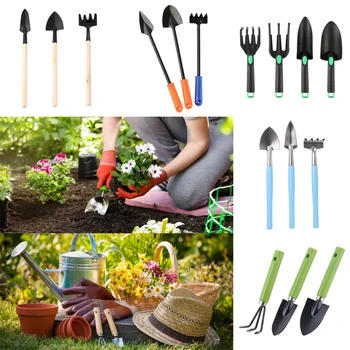
Place a layer of small stones (½ in) at the bottom for extra drainage. Position the plant so the crown sits just above the soil line, then backfill gently, firming the mix with your fingers to eliminate air pockets.
Step 4 – Watering Technique
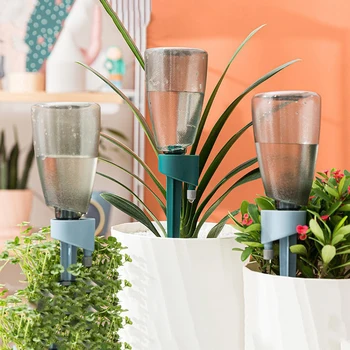
Use the “soak‑and‑drain” method: water until it flows freely from the bottom, then let the pot sit for 10–15 minutes before discarding excess water. For African Violets, employ the bottom‑watering technique (place the pot in a saucer of water for 5 minutes) to avoid leaf spotting.
Ongoing Care and Maintenance
Feeding & Fertilizing Schedule
Apply a balanced 20‑20‑20 fertilizer diluted to half strength every 4 weeks during the growing season (spring–summer). For orchids, switch to a 30‑10‑10 “bloom‑boost” formula once spikes appear. Track feed dates in a simple spreadsheet to avoid over‑fertilization.
Pruning and Deadheading
Remove wilted blooms and yellowing leaves promptly. This redirects energy to new growth. For Kalanchoe, pinch back the stem after the first flush to encourage a second bloom cycle.
Pest Management
Inspect leaves weekly for spider mites, aphids, or mealybugs. A quick spray of neem oil (1 tsp per quart of water) applied in the early morning can halt infestations without harming beneficial microbes. For persistent pests, isolate the plant and treat with an insecticidal soap for 7 days.
Data‑Driven Tips for Success
Light Meter Readings
Record lux levels at the plant’s location twice daily (morning and afternoon). Adjust the height of LED panels or rotate the pot if readings fall below the species‑specific threshold.
Soil Moisture Sensors
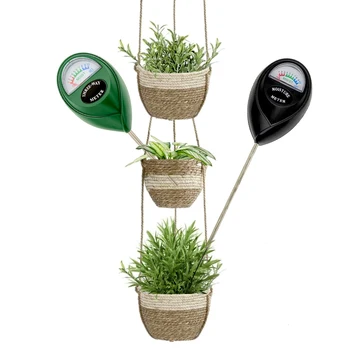
Insert a cheap capacitive moisture sensor (≈$10) into the pot’s center. Set alerts on your phone for when moisture drops below 30 % (for succulents) or rises above 70 % (for tropicals). This eliminates the “guess‑the‑soil” habit.
Growth Tracking
Take a photo of each plant on the first day of the month and log height, leaf count, and number of blooms. Over a 6‑month period you’ll see clear trends that guide adjustments in light, water, or feeding.
Quick Checklist for Busy Gardeners
- ✔ Verify light levels (1,000–2,500 lux) with a lux meter.
- ✔ Keep temperature 65–75 °F; humidity 50–70 % for tropicals.
- ✔ Use species‑specific potting mix and a pot with drainage.
- ✔ Water using the soak‑and‑drain method; bottom‑water African Violets.
- ✔ Fertilize every 4 weeks with half‑strength balanced fertilizer.
- ✔ Prune dead blooms and leaves weekly.
- ✔ Inspect for pests; treat with neem oil or insecticidal soap.
- ✔ Log light, moisture, and growth data to fine‑tune care.
By combining proven plant choices with measurable environmental data, you’ll create a thriving indoor flower garden that delivers color year after year—without the guesswork. Happy planting!