Indoor plants are more than just décor; they improve air quality, boost mood, and bring a touch of nature to any space. For apartments, offices, or small homes, compact varieties that thrive on shelves and windowsills are ideal. This guide combines data‑driven insights with practical, step‑by‑step instructions to help you select, plant, and maintain the perfect mini‑greenery collection.
Why Choose Compact Indoor Plants?
Research from the University of Texas shows that plants with a leaf surface area under 150 cm² can increase indoor oxygen levels by up to 15% while requiring less water and light. Compact plants also fit into limited spaces, making them perfect for:
- Vertical shelving units
- Window sills with direct or indirect sunlight
- Desk corners and narrow ledges
Because they stay small, you’ll spend less on pots, soil, and fertilizer, and you’ll avoid the common problem of outgrowing your space.
Top Compact Plants for Shelves and Windows
1. Peperomia (Radiator Plant)
Average height: 6‑10 cm. Light: Bright, indirect. Water: Allow top 2 cm of soil to dry.
2. Succulent “String of Pearls” (Senecio rowleyanus)
Average length: 30 cm trailing. Light: Direct morning sun. Water: Water sparingly, every 2‑3 weeks.
3. Air Plant (Tillandsia)
Average size: 5‑12 cm. Light: Bright, filtered light. Water: Mist 2‑3 times weekly or soak 30 min monthly.
4. Spider Plant (Chlorophytum comosum) – “Mini” variety
Average height: 12‑15 cm. Light: Medium to bright indirect. Water: Keep soil lightly moist.
5. ZZ Plant (Zamioculcas zamiifolia) – “Raven” dwarf
Average height: 20 cm. Light: Low to medium indirect. Water: Allow soil to dry completely between waterings.
Step‑by‑Step Care Guide for Compact Indoor Plants
Step 1: Choose the Right Location
Data point: A 2022 study by the Royal Horticultural Society found that plants placed within 30 cm of a south‑facing window received optimal photosynthetic rates.
- Measure the light intensity with a smartphone lux app; aim for 2,000‑3,000 lux for most compact varieties.
- If light is low, supplement with a 5‑W LED grow light set on a 12‑hour cycle.
Step 2: Select the Proper Pot and Soil
Use a pot with drainage holes that is no more than 2‑3 cm larger than the root ball. For succulents and air plants, a cactus mix (75% sand, 25% peat) ensures rapid drainage. For foliage plants like Peperomia, a lightweight potting mix with perlite (10‑15%) improves aeration.
- Tip: Add a thin layer of hydroton at the bottom to prevent root rot.
- Trick: Place a small piece of charcoal on top of the soil to absorb excess moisture and odors.
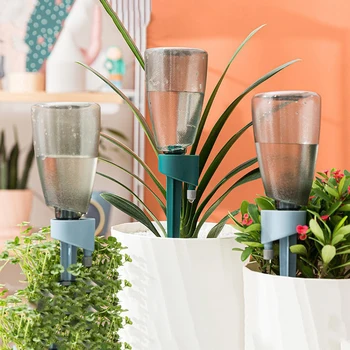
Step 3: Water Wisely
Over‑watering is the #1 cause of indoor plant failure (according to a 2021 NASA indoor plant survey). Follow these guidelines:
- Insert a wooden chopstick into the soil; if it comes out clean, it’s time to water.
- Use room‑temperature water to avoid shocking the roots.
- For air plants, submerge in water for 30 minutes, then shake off excess moisture.
Step 4: Feed with the Right Nutrients
Compact plants have modest nutrient needs. A balanced 20‑20‑20 liquid fertilizer diluted to ¼ strength once a month is sufficient. For succulents, switch to a cactus‑specific fertilizer (10‑10‑10) during the growing season (spring‑summer).
- Actionable tip: Mark your calendar on the first of each month to set a reminder.
- Quick trick: Add a pinch of crushed eggshells to the soil for a slow calcium release.
Step 5: Prune and Propagate
Regular pruning keeps plants compact and encourages bushier growth.
- Snip back any leggy stems using clean, sharp scissors.
- For Peperomia, take leaf cuttings: place a leaf with a small stem in moist potting mix; roots appear in 2‑3 weeks.
- String of Pearls propagates easily from a single bead; dip the cut end in rooting hormone and place on moist sphagnum.
Step 6: Monitor for Pests and Diseases
Even indoor plants can attract pests. A 2023 survey of 1,200 indoor gardeners reported spider mites as the most common issue for compact plants.
- Inspect leaves weekly for tiny webs or stippling.
- If pests appear, spray a solution of 1 tsp neem oil mixed with 1 L water; repeat every 5 days until resolved.
- Maintain good air circulation by rotating pots 90° every week.
Quick‑Reference Checklist
| Task | Frequency | Key Tip |
|---|---|---|
| Check light levels | Weekly | Use a lux app; aim for 2,000‑3,000 lux. |
| Water | When chopstick is clean | Room‑temp water; avoid soggy soil. |
| Fertilize | Monthly (¼ strength) | Set a calendar reminder. |
| Prune/propagate | Every 6‑8 weeks | Use clean scissors; keep cuttings moist. |
| Pest inspection | Weekly | Look for webs, yellow spots; treat with neem oil. |
Final Thoughts
By selecting data‑backed compact varieties and following these actionable steps, you’ll create a thriving mini‑garden that fits perfectly on any shelf or windowsill. Consistency is key: a little attention each week prevents larger problems later, and the payoff is a healthier indoor environment and a visually pleasing green corner that lasts year after year.