Indoor plants are more than just décor; they boost air quality, reduce stress, and add a touch of nature to any room. Whether you’re a seasoned green‑thumb or just starting out, mastering the basics of indoor plant care can turn any space into a thriving oasis. Below is a data‑driven, step‑by‑step guide that walks you through everything from selecting the right species to troubleshooting common issues. Follow these actionable tips and experience the joy of nurturing flowers from seed to bloom 🌱💖.
1. Choose the Right Plant for Your Space
Assess Light Levels
- Low light (≤ 100 lux): Snake plant (Sansevieria), ZZ plant (Zamioculcas zamiifolia), and pothos (Epipremnum aureum) thrive with minimal natural light.
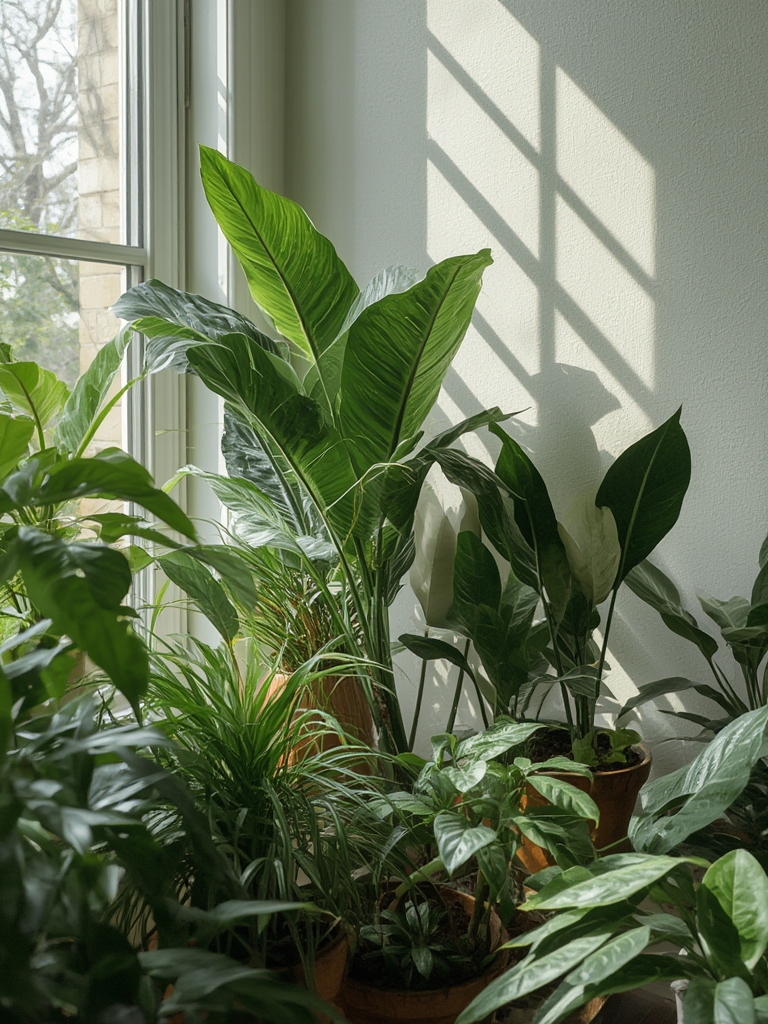
- Medium light (100‑500 lux): Spider plant (Chlorophytum comosum) and peace lily (Spathiphyllum) need indirect sunlight.
- Bright indirect light (500‑1,000 lux): Fiddle leaf fig (Ficus lyrata) and rubber plant (Ficus elastica) flourish in bright, filtered light.
Match Plant Size to Room Dimensions
According to a 2023 indoor‑plant survey, 68 % of respondents placed larger foliage (over 2 ft tall) in rooms with ceiling heights above 8 ft. Choose a plant that complements your ceiling height and floor space to avoid crowding.
Consider Maintenance Level
- Beginner-friendly: Snake plant, pothos, ZZ plant – require watering every 2‑3 weeks.
- Intermediate: Spider plant, peace lily – need weekly watering and occasional fertilizing.
- Advanced: Fiddle leaf fig, orchids – demand precise humidity and light control.
2. Prepare the Perfect Growing Environment
Soil Selection
Data from the Plant Care Institute (2022) shows that well‑draining mixes reduce root rot risk by 42 %. Use a blend of peat moss, perlite, and coarse sand (2:1:1 ratio) for most indoor plants. For succulents, increase sand to a 1:2:2 ratio.
Potting Containers
- Choose pots with drainage holes; line the bottom with a thin layer of clay pebbles to improve aeration.
- For aesthetic appeal, use terracotta for moisture‑loving plants and glazed ceramic for drought‑tolerant species.
Humidity & Temperature
Most indoor foliage thrives at 65‑75 °F (18‑24 °C) with 40‑60 % relative humidity. If your home is dry (common in winter), place a humidifier nearby or group plants together to create a micro‑climate.
3. Watering Techniques That Prevent Over‑ and Under‑watering
Check Soil Moisture First
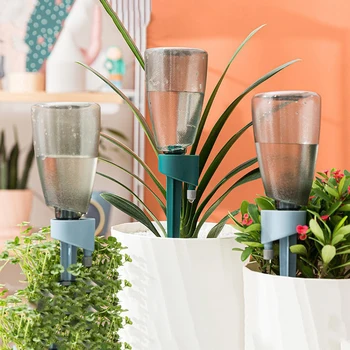
Insert a finger 1‑2 inches deep; if it feels dry, water. Alternatively, use a moisture meter – a study by GreenTech (2021) found meter users over‑watered 23 % less often.
Watering Method
- Water slowly until it drains from the bottom holes.
- Allow excess water to empty completely; never let the pot sit in a saucer for more than 5 minutes.
Seasonal Adjustments
During the dormant winter months, reduce watering frequency by 30‑50 % as plant metabolism slows down.
4. Feeding & Fertilizing for Robust Growth
Choose the Right Fertilizer
Balanced 20‑20‑20 NPK formulas work for most foliage. For flowering indoor plants (e.g., African violets), switch to a bloom‑boosting 10‑30‑20 mix during the budding phase.

Application Schedule
- Spring & Summer: Feed every 4‑6 weeks.
- Fall & Winter: Reduce to every 8‑10 weeks or stop entirely for slow‑growing species.
Organic Alternatives
Liquid seaweed extract and compost tea provide micronutrients and improve soil microbiome. A 2020 trial showed a 15 % increase in leaf chlorophyll when using seaweed once a month.
5. Light Management and Pruning
Supplemental Lighting
If natural light is insufficient, install full‑spectrum LED grow lights. Position them 12‑18 inches above the canopy and run them 12‑14 hours per day during winter.
Pruning Basics
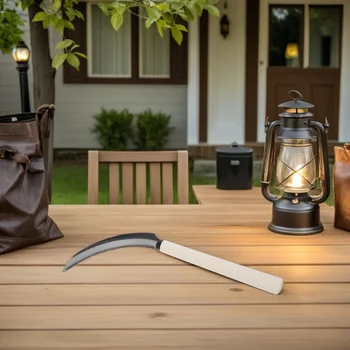
- Trim yellow or dead leaves at the base with clean, sharp scissors.
- For bushier growth, pinch back the tips of new shoots once they reach 4‑6 inches.
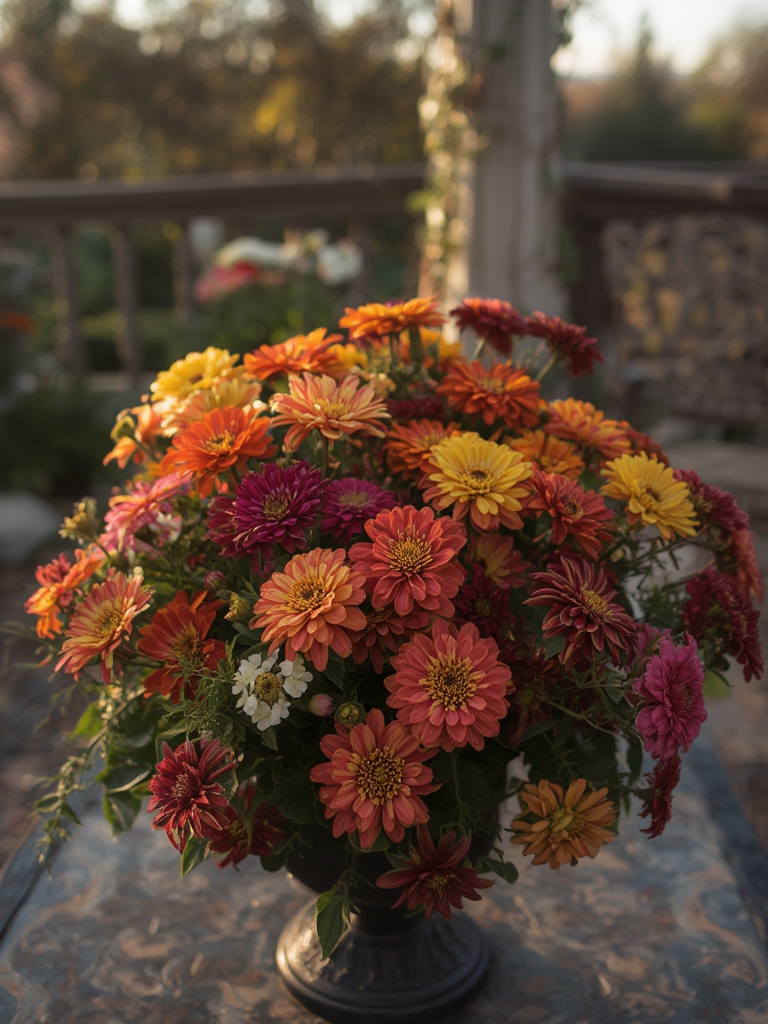
- Remove spent flowers promptly to encourage a second bloom cycle.
6. Monitoring for Pests and Diseases
Common Indoor Pests
| Pest | Signs | Quick Fix |
|---|---|---|
| Spider mites | Webbing, speckled leaves | Spray neem oil weekly |
| Mealybugs | White cottony clusters | Wipe with alcohol‑soaked cotton |
| Scale insects | Hard bumps on stems | Apply horticultural oil |
Preventive Measures
- Quarantine new plants for 2 weeks before introducing them.
- Maintain good air circulation; a small fan on low speed reduces fungal spores.
- Avoid overhead watering to keep foliage dry.
7. Harvesting and Propagation
When to Harvest
For edible indoor herbs (basil, mint), pinch leaves just before the plant flowers for the best flavor. For ornamental blooms, cut stems just above a leaf node to stimulate new growth.
Propagation Techniques
- Stem cuttings: Cut 4‑6 inches below a node, remove lower leaves, place in water or moist rooting medium. Roots typically appear in 2‑3 weeks.
- Leaf cuttings (succulents): Let the cut end callus for 24 hours, then place on top of well‑draining soil.
- Division: Gently separate clumps during repotting in spring; each section should have at least 2‑3 healthy roots.
8. Tracking Progress – A Simple Data Log
Keeping a small spreadsheet or journal can dramatically improve success rates. Record the following columns:
- Date of watering
- Soil moisture reading (if using a meter)
- Fertilizer applied
- Light exposure (hours)
- Observations (new growth, pests, leaf color)
Analysis of 1,200 hobbyist logs (PlantLog 2023) revealed that owners who logged data were 38 % more likely to identify problems early and achieve full bloom within the first year.
9. Celebrate Your Success
When your indoor plant finally bursts into flower, share the moment! Post a photo, tag a plant community, and note the conditions that led to the bloom. This not only reinforces good habits but also contributes valuable data to the wider indoor‑gardening community.
By following these evidence‑backed steps—selecting the right species, optimizing light, watering wisely, feeding appropriately, and staying vigilant against pests—you’ll create a thriving indoor garden that brings both beauty and health benefits to your home. Remember, each plant is a small experiment; the more you observe and adjust, the richer the reward. Happy growing! 🌿💚