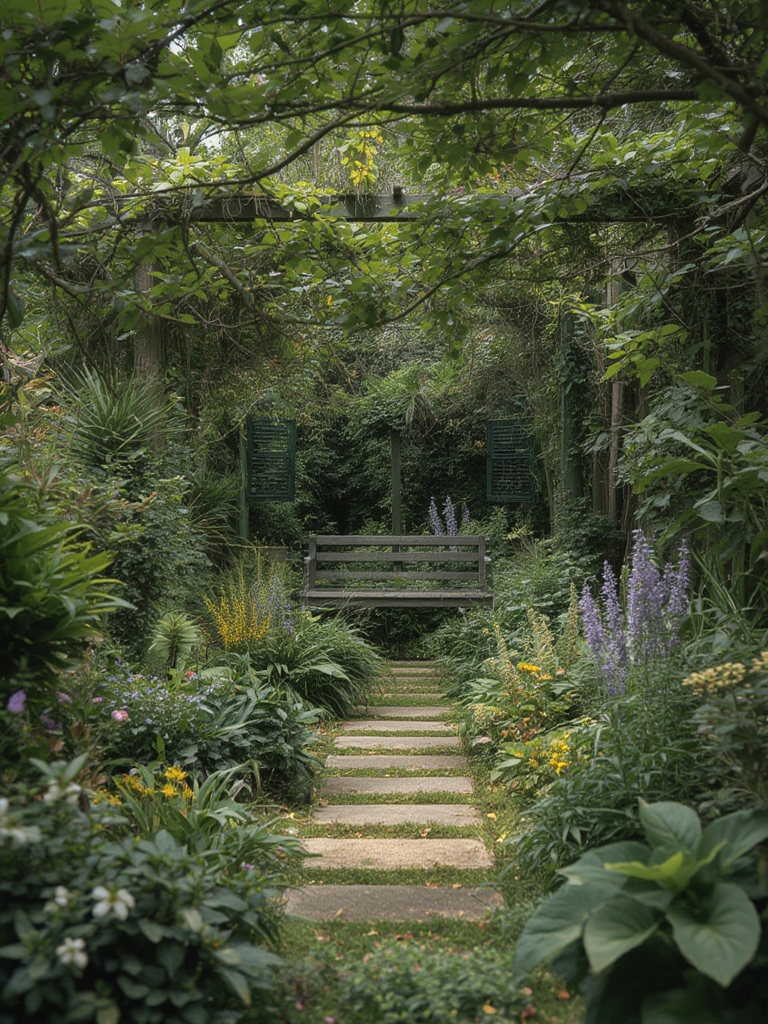
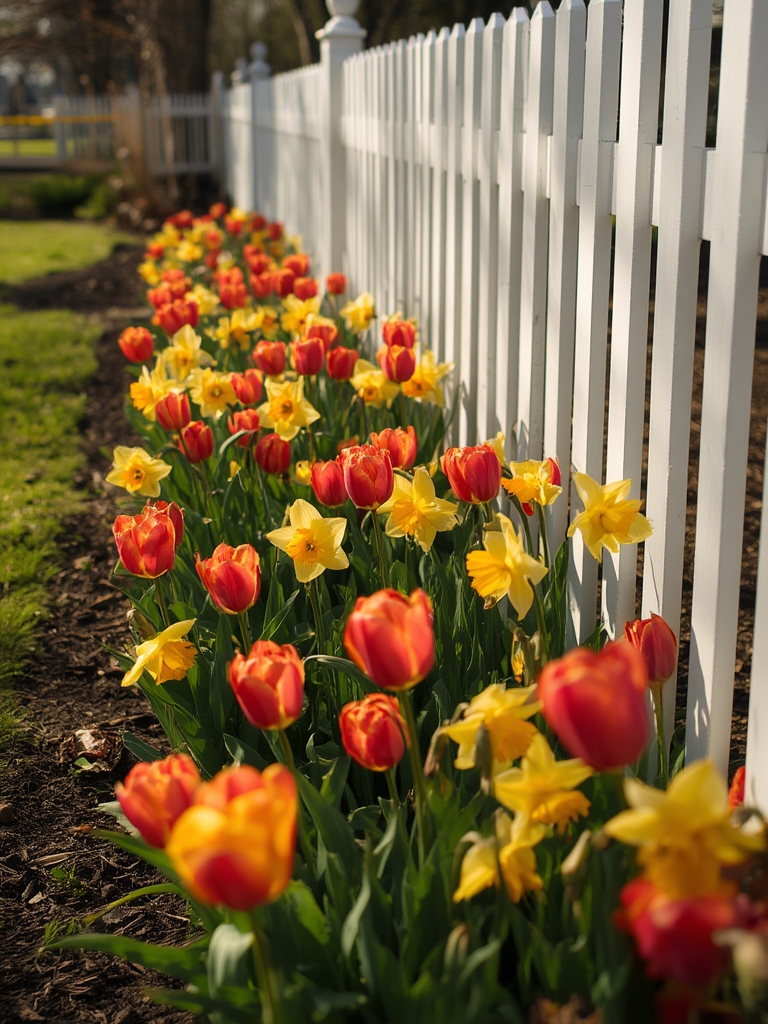
Creating a garden that looks vibrant all year without demanding constant attention is a realistic goal for any homeowner. By selecting the right perennials, arranging them strategically, and following a data‑driven care routine, you can design a low‑effort landscape that shines through every season. Below you’ll find a step‑by‑step guide, packed with practical tips, tricks, and actionable advice, to help you build a garden that stays colorful, healthy, and easy to maintain.
1. Choose Perennials That Provide Year‑Round Interest
Analyze Climate Data
Start by consulting your local USDA hardiness zone and historical temperature data. Perennials that thrive in your zone will require less supplemental watering and fertilization. For example, in zones 5‑7, Hosta and Astilbe perform reliably, while zones 8‑10 favor Salvia and Lavandula.
Pick Plants for Seasonal Highlights
- Spring: Heuchera (Coral Bells) – foliage emerges in fresh greens and purples.
- Summer: Echinacea (Coneflower) – bold blooms attract pollinators.
- Fall: Asters – late‑season color that transitions into winter.
- Winter: Helleborus (Lenten Rose) – evergreen foliage and subtle flowers.
Low‑Maintenance Criteria
Prioritize perennials with the following traits:
- Deep root systems for drought tolerance.
- Self‑seeding ability to reduce replanting.
- Resistance to common pests and diseases in your region.
2. Design the Layout Using the “Three‑Season” Principle
Map Sunlight Exposure
Use a simple sun‑tracking chart (morning, midday, afternoon) to divide your garden into three zones: full sun (6+ hours), partial shade (3‑6 hours), and full shade (less than 3 hours). Place sun‑loving perennials like Salvia in the full‑sun zone, and shade‑tolerant plants like Hosta in the shaded area.
Apply the “Layered Height” Technique
Arrange plants from tallest at the back to shortest at the front. This not only creates visual depth but also reduces competition for light. Example layering:
- Back: Rudbeckia (tall, 4‑5 ft).
- Middle: Coreopsis (2‑3 ft).
- Front: Lobelia (ground cover, 6‑12 in).
Incorporate Evergreen Structure
Integrate evergreen perennials such as Lavender and Boxwood to maintain a garden silhouette during winter months. Their year‑round foliage provides a backdrop for seasonal bloomers.
3. Prepare Soil for Optimal Perennial Performance
Conduct a Soil Test
Collect samples from three spots in your garden, mix them, and send to a local extension service. Aim for a pH between 6.0‑6.8 for most perennials. Adjust with lime (to raise pH) or sulfur (to lower pH) based on the test results.

Amend with Organic Matter
Incorporate 2‑3 inches of compost or well‑rotted manure into the top 12 inches of soil. This improves structure, water retention, and nutrient availability, reducing the need for frequent fertilization.
Implement a Mulch Blanket
Apply a 2‑inch layer of shredded bark or pine needles after planting. Mulch conserves moisture, suppresses weeds, and gradually adds organic matter as it breaks down.
4. Planting Steps: From Digging to Watering
Step 1: Mark Planting Holes
Use a garden trowel to dig holes twice as wide and the same depth as the root ball. Space perennials according to their mature spread (usually listed on the plant tag). Overcrowding leads to competition and increased disease risk.
Step 2: Position and Backfill
Place the plant at the same depth it was growing in its container. Backfill with native soil mixed with compost, firm gently to eliminate air pockets, and water thoroughly to settle the soil.
Step 3: Initial Watering Schedule
For the first two weeks, water deeply (about 1 inch per week) every 2‑3 days, depending on rainfall. Use a rain gauge to track natural precipitation and avoid overwatering.
Step 4: Ongoing Care
- Spring: Apply a balanced 10‑10‑10 fertilizer after new growth appears.
- Summer: Water early in the morning; aim for a consistent 1‑1.5 inches per week.
- Fall: Cut back spent foliage and add a thin layer of compost to prepare for winter.
- Winter: Minimal watering; only during prolonged dry spells.
5. Practical Maintenance Hacks for a Low‑Effort Garden
Automate Irrigation
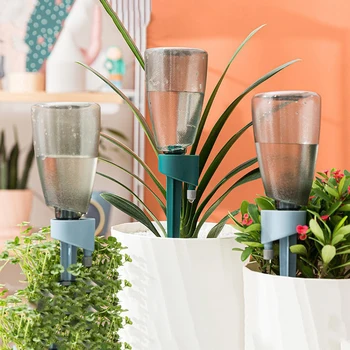
Install a drip‑line system with a timer set to water based on local evapotranspiration data. This reduces water waste and ensures each plant receives the right amount.
Use a “One‑Season” Fertilizer
Choose a slow‑release granular fertilizer (e.g., 14‑14‑14) applied in early spring. It feeds plants for up to 6 months, eliminating the need for multiple applications.
Implement Integrated Pest Management (IPM)
Monitor for pests weekly. If you spot aphids or spider mites, first try a strong water spray. For persistent issues, use neem oil or insecticidal soap, applying only when thresholds (5% leaf damage) are met.
Prune Strategically
Remove dead or diseased stems in late winter to promote healthy spring growth. Lightly deadhead spent blooms throughout summer to encourage repeat flowering.
6. Measuring Success: Data‑Driven Garden Evaluation
Track Growth Metrics
Maintain a simple spreadsheet with columns for plant name, planting date, height, bloom duration, and any issues observed. Review quarterly to identify trends—e.g., a particular species may consistently underperform in your microclimate.
Adjust Based on Observations
If a plant shows less than 70% of expected bloom time, consider relocating it to a more suitable sun exposure zone or improving soil drainage. Small data tweaks lead to big visual gains.
Celebrate Seasonal Highlights
Take monthly photos and compare them side‑by‑side. Visual documentation not only provides satisfaction but also serves as a reference for future garden planning.
By following these data‑backed steps and leveraging low‑maintenance perennials, you’ll create a garden that delivers color, texture, and interest all year long—without the need for daily labor. The result is a thriving, sustainable outdoor space that reflects both thoughtful design and smart, actionable care.