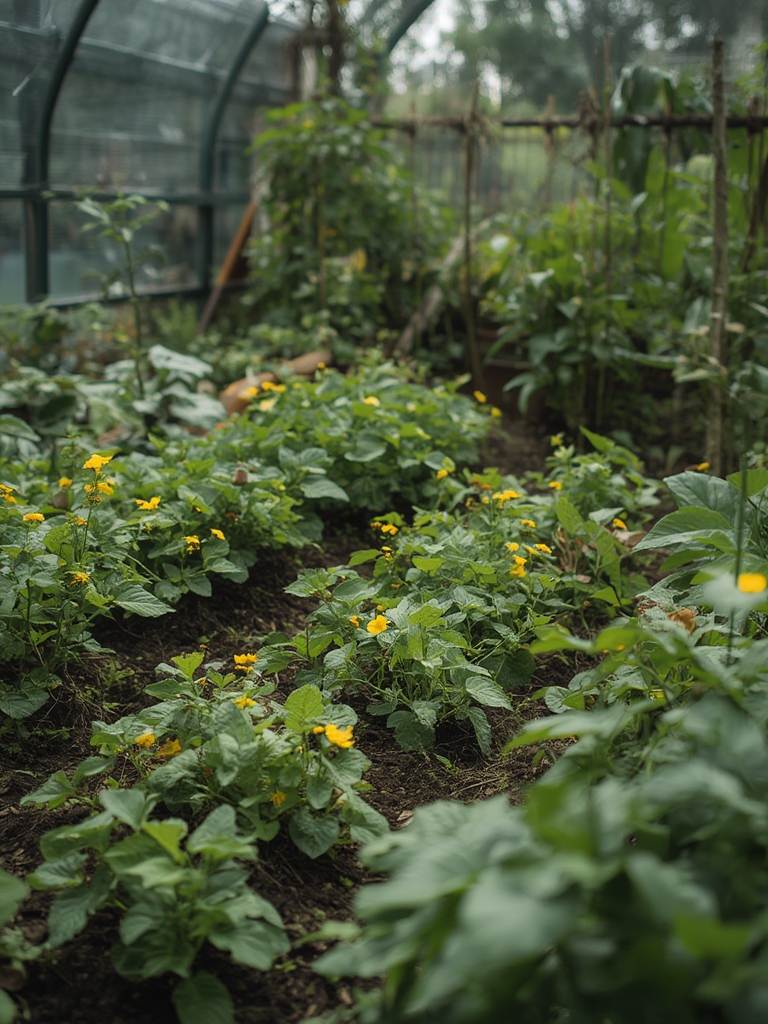
Creating a garden that nurtures the planet while brightening your home is easier than you think. Sustainable gardening blends eco‑friendly practices with smart design, letting you grow lush foliage that adds vibrant color to any interior space. Below is a data‑driven, step‑by‑step guide that walks you through plant selection, soil preparation, water management, and ongoing care—each packed with practical tips you can apply today.
1. Choose the Right Foliage Plants for Sustainability and Style
Why foliage matters
Foliage plants such as Calathea, ZZ Plant, and Philodendron are not only visually striking but also excellent air purifiers. Studies from NASA’s Clean Air Study show these species can remove up to 60% of indoor pollutants, making them ideal for a healthy home environment.

Actionable tip
Pick varieties native to your climate zone whenever possible. Native plants require less water and fewer inputs, reducing your garden’s carbon footprint.
2. Prepare Soil That Supports Long‑Term Health
Data‑backed soil composition
Research indicates a balanced soil mix of 40% organic matter, 30% sand, and 30% loam maximizes water retention while ensuring proper drainage. This ratio promotes beneficial microbial activity, which improves nutrient availability.
Step‑by‑step
- Test your soil. Use a simple pH kit; aim for a range of 6.0–6.8 for most foliage.
- Add compost. Incorporate 2–3 inches of well‑aged compost to boost organic content.
- Mix in perlite or coarse sand. This prevents compaction and enhances aeration.
Practical tip
Spread a thin layer of biochar (about 1 % of soil volume) to increase carbon sequestration and improve nutrient retention.
3. Master Water Management for Minimal Waste
Smart irrigation data
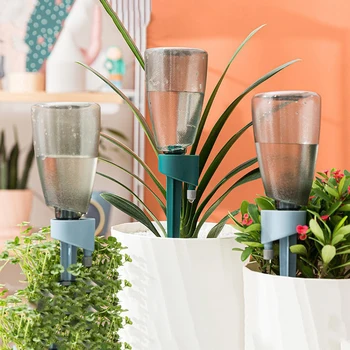
According to the EPA, drip irrigation can reduce water use by up to 50 % compared with overhead sprinklers. Pair this with a moisture sensor that alerts you when soil moisture drops below 30 %.
Action steps
- Install a drip line. Position emitters at the base of each plant to deliver water directly to the root zone.
- Mulch heavily. Apply 2–3 inches of organic mulch (e.g., shredded bark) to cut evaporation by up to 70 %.
- Water early. Early morning watering reduces evaporation and discourages fungal growth.
4. Harness Compost and Mulch for Nutrient Recycling
Why compost works
Compost adds essential macro‑ and micronutrients while improving soil structure. A study from the University of California found that adding 1 % compost to garden soil can increase yields by 15 %.
How to compost effectively
- Collect kitchen scraps (fruit peels, coffee grounds) and garden waste (leaf litter, grass clippings).
- Maintain a carbon‑to‑nitrogen ratio of roughly 30:1 by balancing brown (dry leaves) and green (food waste) materials.
- Turn the pile every 2–3 weeks to aerate and speed up decomposition.
Quick tip
Use a compost tea (steeped compost in water for 24 hours) as a foliar spray to give foliage plants a nutrient boost without over‑fertilizing the soil.
5. Integrated Pest Management (IPM) for Chemical‑Free Gardens
Data on pest control
IPM reduces pesticide use by up to 90 % while maintaining plant health. The key is early detection and biological controls.
Steps to implement IPM
- Monitor regularly. Inspect leaves weekly for signs of aphids, spider mites, or fungal spots.
- Introduce beneficial insects. Ladybugs and predatory nematodes naturally curb pest populations.
- Apply neem oil. A 1 % neem oil spray works as a biodegradable repellent without harming pollinators.
Practical tip
Plant companion species such as marigold or basil near foliage plants; their aromatic compounds deter many common pests.
6. Seasonal Care Calendar
Spring (March–May)
– Divide overcrowded foliage plants to promote vigorous growth.
– Apply a balanced organic fertilizer (10‑10‑10) at half strength.
Summer (June–August)
– Increase watering frequency during heatwaves; aim for consistent soil moisture.
– Add a second layer of mulch to protect roots from temperature extremes.
Fall (September–November)
– Reduce fertilizer to avoid late‑season growth that can’t harden off.
– Begin composting fallen leaves for next year’s soil amendment.
Winter (December–February)
– Move tender indoor foliage away from drafts and direct heat sources.
– Keep humidity at 40–60 % using a pebble tray or humidifier.
7. Bring Vibrant Colors Indoors with Stunning Foliage
Choosing indoor foliage
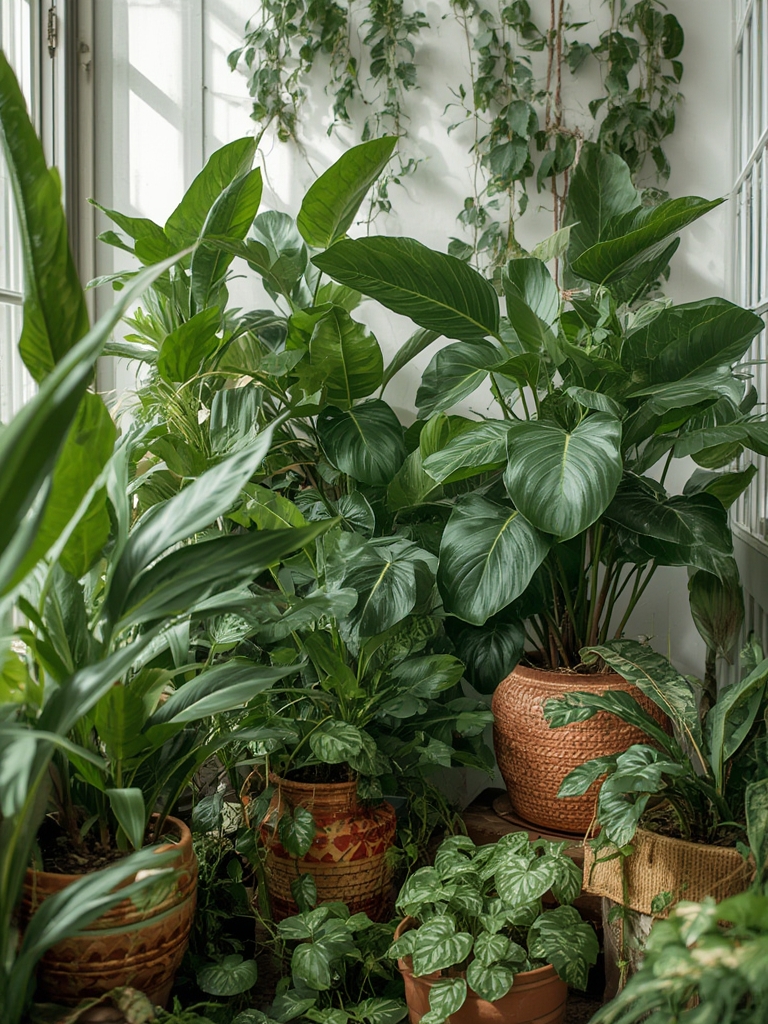
Plants like Monstera deliciosa, Snake Plant, and Fiddle Leaf Fig provide bold texture and color. Their large leaves reflect light, making rooms feel brighter and more spacious.
Placement strategy
- Place taller plants near windows to capitalize on natural light.
- Use hanging planters for trailing varieties (e.g., Pothos) to add vertical interest.
- Group plants with similar humidity needs to simplify care.
Quick actionable tip
Rotate each pot 90 ° every two weeks to ensure even light exposure and prevent lopsided growth.
8. Quick Action Checklist for Sustainable Success
- Test soil pH and amend to 6.0–6.8.
- Set up drip irrigation with moisture sensors.
- Apply 2–3 inches of organic mulch after planting.
- Start a compost bin; aim for a 30:1 carbon‑to‑nitrogen ratio.
- Introduce at least one beneficial insect species.
- Follow the seasonal calendar for fertilizing and pruning.
- Rotate indoor plants regularly for balanced light.
By following these data‑driven steps, you’ll cultivate a thriving, eco‑friendly garden that not only supports biodiversity but also adds a splash of vibrant color to your living spaces. Sustainable gardening is a journey—each small, intentional action compounds into a healthier planet and a more beautiful home.