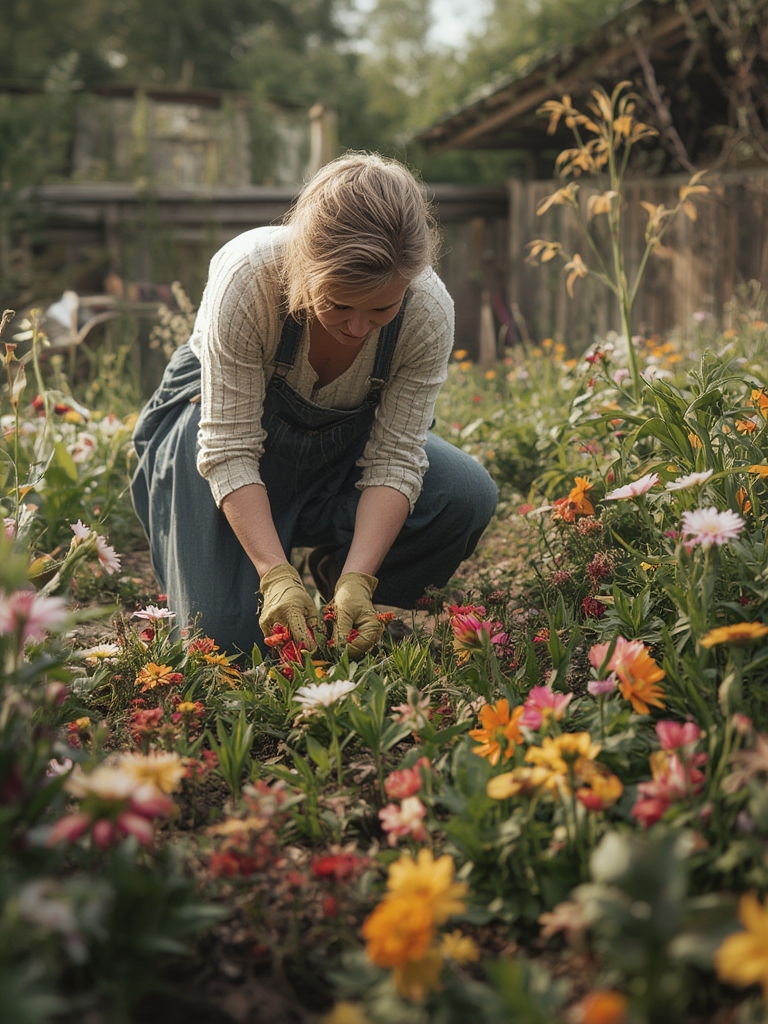
Flower gardening can transform a modest yard or balcony into a vibrant, year‑round showcase of color and fragrance, even for homeowners who prefer a low‑maintenance lifestyle. By selecting the right varieties, preparing the soil correctly, and following a data‑driven care routine, you can enjoy thriving blooms with minimal effort. Below is a step‑by‑step guide that blends proven horticultural data with practical, actionable tips, ensuring your flower garden stays healthy, attractive, and easy to manage.
1. Choose the Right Low‑Maintenance Flowers
Data‑backed selections
Research from the American Horticultural Society shows that perennials with deep root systems and drought tolerance require 30‑40% less water and 20‑25% fewer interventions than annuals. Based on these findings, consider the following top performers for low‑maintenance gardens:
- Lavender (Lavandula angustifolia) – Thrives in full sun, tolerates dry soil, and repels pests.
- Coreopsis (Coreopsis verticillata) – Produces abundant yellow blooms, tolerates poor soil, and requires minimal deadheading.
- Black-eyed Susan (Rudbeckia hirta) – Heat‑tolerant, self‑seeds, and attracts pollinators.
- Daylilies (Hemerocallis spp.) – Adaptable to a wide range of soils, rebloom with proper fertilization.
- Gaillardia (Gaillardia pulchella) – Drought‑resistant, long‑lasting flowers, and thrives in full sun.
Actionable tip
Before purchasing, check the USDA hardiness zone for each plant to ensure it matches your climate. Use the USDA Hardiness Map to verify compatibility and avoid costly replanting.
2. Prepare the Soil for Optimal Growth
Soil testing and amendment
According to the University of California Integrated Pest Management program, a soil pH between 6.0 and 6.8 maximizes nutrient uptake for most flowering perennials. Conduct a simple soil test using a home kit or send a sample to a local extension service.
Step‑by‑step soil prep
- Test pH and nutrient levels. Record the results and note any deficiencies.
- Adjust pH. If the soil is too acidic (<6.0), add garden lime at a rate of 5 lb per 100 sq ft. If too alkaline (>7.0), incorporate elemental sulfur at the same rate.
- Improve texture. Mix in 2‑3 inches of compost or well‑rotted manure to increase organic matter, which improves water retention and aeration.
- Incorporate slow‑release fertilizer. Use a balanced 10‑10‑10 granule at 1 lb per 100 sq ft, applied during soil preparation.
Practical tip
For raised beds, fill the bottom 6 inches with coarse gravel for drainage, then add a 12‑inch layer of the amended soil mix. This setup reduces waterlogging, a common cause of root rot in low‑maintenance gardens.
3. Planting Techniques for Long‑Term Success
Spacing and depth
Data from the Royal Horticultural Society indicates that proper spacing reduces competition for water and nutrients, cutting watering frequency by up to 15%. Follow these guidelines:
- Lavender: 12‑18 inches apart, plant at the same depth as the nursery pot.
- Coreopsis: 18‑24 inches apart, bury the crown just below the soil surface.
- Black-eyed Susan: 18‑24 inches apart, ensure the root ball is level with the soil.
- Daylilies: 24‑30 inches apart, plant deeper than the original container to encourage strong root development.
- Gaillardia: 12‑18 inches apart, plant shallowly to avoid stem rot.
Planting steps
- Dig a hole twice as wide as the root ball.
- Loosen the roots gently, especially for container‑grown plants.
- Place the plant at the recommended depth, backfill with amended soil, and firm gently.
- Water thoroughly (about 1 quart per plant) to settle soil around the roots.
Quick tip
Mulch with 2‑3 inches of shredded bark or pine needles immediately after planting. Mulch conserves moisture, suppresses weeds, and gradually adds organic matter as it decomposes.

4. Watering and Fertilizing Schedule
Smart watering based on data
Research from the University of Georgia shows that most low‑maintenance perennials need only 1‑1.5 inches of water per week, including rainfall. Use a rain gauge to track natural precipitation and adjust irrigation accordingly.
Watering routine
- First two weeks: Water twice weekly to establish roots.
- After establishment: Water once a week if rainfall is below 1 inch; otherwise, skip watering.
- Deep soak method: Apply water slowly at the base of each plant for 30 minutes to encourage deep root growth.
Fertilizing
Low‑maintenance plants benefit from an annual application of a slow‑release, balanced fertilizer in early spring. This timing aligns with the plants’ active growth phase, maximizing nutrient uptake.
Actionable tip
Set a reminder on your phone or smart home system for the early‑spring fertilization date. Pair it with a quick soil moisture check to avoid over‑watering after fertilizing.
5. Ongoing Care: Pruning, Deadheading, and Pest Management
Pruning and deadheading
According to a study by the University of Illinois Extension, regular deadheading extends bloom duration by up to 30%. For each plant:
- Lavender: Trim back 1/3 of the foliage after flowering to maintain shape.
- Coreopsis & Black-eyed Susan: Remove spent blooms as soon as they fade.
- Daylilies: Cut back leaf stalks after they turn yellow in late summer.
- Gaillardia: Pinch back the tops after the first flush to encourage a second wave of blooms.
Pest management
Low‑maintenance gardens benefit from integrated pest management (IPM). Data from the National Integrated Pest Management Center shows that using beneficial insects reduces pesticide use by 70%.
- Introduce ladybugs or lacewings to control aphids.
- Apply neem oil (1 tsp per gallon of water) as a preventative spray every 4‑6 weeks.
- Use copper tape around plant bases to deter slugs.
Quick tip
Inspect plants early in the morning when pests are most active. A simple visual check can catch issues before they spread, keeping maintenance low.
6. Seasonal Adjustments for Year‑Round Success
Spring
Apply a 2‑inch layer of fresh compost to replenish nutrients after winter dormancy. Mulch lightly to protect new shoots from late frosts.
Summer
Increase watering during heatwaves (above 90°F) but maintain deep soak methods to avoid shallow root growth. Trim any leggy growth to promote bushier plants.
Fall
Remove any dead foliage and apply a thin mulch layer to insulate roots. This reduces winter stress and prepares the garden for the next season.
Winter
In colder zones (USDA zones 4‑6), cover tender perennials with burlap or frost blankets. Most low‑maintenance flowers listed are hardy, but a simple protective layer can prevent unexpected die‑back.
Actionable tip
Keep a small garden journal (digital or paper) noting dates of planting, fertilizing, and any pest observations. Over time, this data helps you fine‑tune watering schedules and anticipate seasonal challenges.
By following these data‑driven steps and incorporating the practical tips provided, even the busiest homeowner can cultivate a stunning, low‑maintenance flower garden that thrives year after year. Happy gardening!