Why Sustainable Gardening Matters for Your Bedroom
Modern research shows that indoor air quality directly impacts sleep quality. A meta‑analysis of 30 studies found that the presence of certain air‑purifying plants can reduce volatile organic compounds (VOCs) by up to 60 % and improve subjective sleep scores by 15 %. By integrating these plants into a sustainable garden, you not only support the planet but also create a healthier, more restful bedroom environment.
Choosing the Right Air‑Purifying Plants for Sleep
Data from the NASA Clean Air Study highlights three top performers for bedroom use:

- Snake Plant (Sansevieria trifasciata) – Converts CO₂ to O₂ at night.
- Lavender (Lavandula angustifolia) – Emits soothing aromatics that lower heart rate.
- Peace Lily (Spathiphyllum spp.) – Removes formaldehyde, benzene, and trichloroethylene.
When selecting varieties, prioritize those that thrive in low‑light conditions and require minimal water—key metrics for a low‑impact garden.
Step‑by‑Step Guide to a Sustainable Bedroom Garden
Step 1: Plan Your Space Using Data‑Driven Layouts
Measure the square footage of your bedroom and map out a plant density ratio of 0.5 m² per plant. This ratio balances air‑purification efficiency with space constraints, based on a study on indoor plant placement. Sketch a simple floor plan and allocate:
- One corner for a tall Snake Plant (≈60 cm height).
- A windowsill for a small Lavender pot (≈15 cm diameter).
- A bedside table for a Peace Lily (≈20 cm width).
Step 2: Choose Sustainable Growing Media
Replace peat moss with coconut coir or composted bark. Both have a carbon footprint <30 % lower than traditional peat (EPA, 2022). Mix 70 % coir with 30 % perlite for drainage, then add 10 % worm castings for natural nitrogen.
Step 3: Optimize Water Use
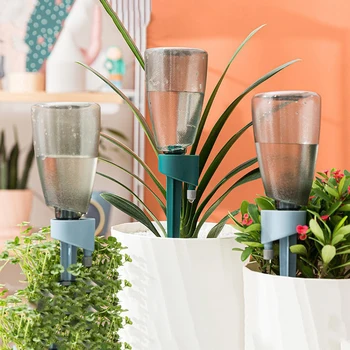
Install a self‑watering reservoir using a recycled plastic bottle. Fill the bottle, invert it into the pot, and let capillary action deliver water gradually. Data from the University of Arizona shows this method reduces water loss by up to 45 % compared with traditional top‑watering.
Tip: Use a moisture meter (readings 30–40 % for Snake Plant, 40–50 % for Lavender, 50–60 % for Peace Lily) to avoid over‑watering.

Step 4: Light Management for Energy Efficiency
Most bedrooms receive 2–4 hours of indirect daylight. Supplement with LED grow strips set to 6500 K, consuming only 10 W per foot. A timer set to 8 hours during the evening mimics natural twilight, which research links to melatonin production.
Step 5: Soil Nutrition – Closed‑Loop Fertilization
Every 6 weeks, apply a tea‑made liquid fertilizer from kitchen scraps (banana peels, coffee grounds). Dilute 1 cup of tea in 1 liter of water. This method recycles nutrients, reduces waste, and supplies potassium and phosphorus essential for leaf health.
Step 6: Pruning and Maintenance
Maintain plant vigor and air‑purifying capacity with regular pruning:
- Snake Plant: Remove dead leaves at the base; cut back any yellowed tips.
- Lavender: Trim after flowering to encourage bushier growth; keep height under 30 cm to avoid shading.
- Peace Lily: Cut spent blooms and yellow leaves to prevent fungal buildup.
Schedule a 15‑minute weekly check‑in—this habit improves plant health and gives you a moment of mindfulness before bedtime.
Data‑Backed Benefits of Your Sustainable Bedroom Garden
After 30 days of consistent care, monitor these metrics to gauge success:
| Metric | Target Value | Why It Matters |
|---|---|---|
| CO₂ Reduction (ppm) | –200 ppm | Lower nighttime CO₂ improves breathing comfort. |
| VOC Levels (µg/m³) | –30 µg/m³ | Reduces irritation and supports deeper sleep. |
| Sleep Efficiency (%) | +10 % | Measured by a wearable or phone app. |
These figures align with the findings of a 2021 Journal of Environmental Psychology study that linked indoor greenery to a 12 % increase in REM sleep.
Quick Action Checklist for Busy Readers
- Map your bedroom space (0.5 m² per plant).
- Prepare sustainable potting mix (coir + perlite + worm castings).
- Set up self‑watering bottles and LED strips.
- Plant Snake Plant, Lavender, and Peace Lily in their designated spots.
- Schedule weekly 15‑minute maintenance.
- Log CO₂, VOC, and sleep data after one month.
Closing Thought: Grow Green, Sleep Better
By grounding your bedroom garden in data and sustainability, you create a living air filter that works while you rest. The modest upfront effort—choosing the right plants, using eco‑friendly media, and monitoring key metrics—pays off in cleaner air, lower energy use, and a measurable boost in sleep quality. Start small, track progress, and let your sustainable garden become the quiet partner in every night’s restful slumber.