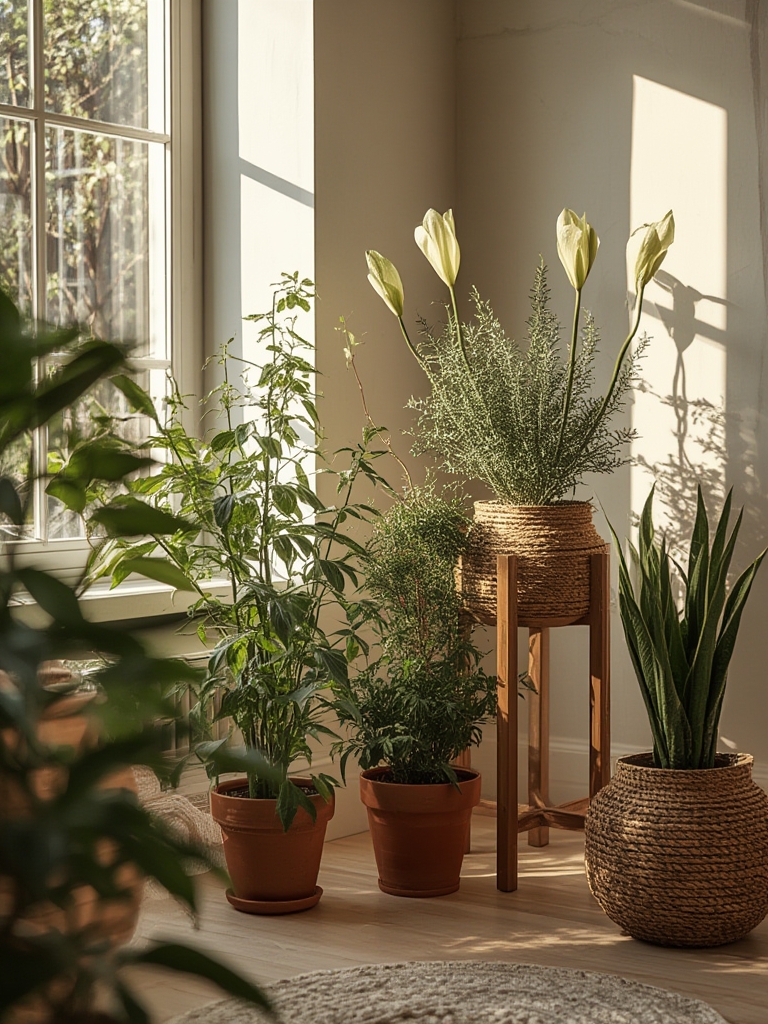
Creating a thriving herbs and aromatic garden not only adds fresh flavors to your kitchen but also transforms your outdoor space into a fragrant sanctuary for evening relaxation. By combining data‑driven planting strategies with thoughtful design, you can grow a low‑maintenance garden that looks stunning under moonlight and provides a steady supply of culinary and medicinal herbs year‑round.
Why Choose an Herbs & Aromatic Garden?
Herbs such as rosemary, thyme, lavender, and mint have a high return on effort—they require minimal water, attract beneficial pollinators, and can be harvested continuously. Studies from the University of California Cooperative Extension show that herb yields increase by up to 30 % when planted in raised beds with well‑draining soil. Additionally, aromatic plants release volatile organic compounds (VOCs) that improve air quality and promote relaxation, especially during nighttime when their scents become more pronounced.
Step‑by‑Step Guide to Growing & Caring for Your Herbs
1. Site Selection & Soil Preparation
- Sunlight: Choose a location that receives at least 6 hours of direct sun daily. Data from the National Gardening Association indicates that herbs planted in full sun produce 20‑25 % more foliage than those in partial shade.
- Soil pH: Aim for a pH between 6.0 and 7.0. Use a simple soil test kit (available at garden centers) and amend with lime to raise pH or sulfur to lower it.
- Drainage: Incorporate 2‑3 inches of coarse sand or perlite into the top 12 inches of soil to improve drainage and prevent root rot.
- Raised beds: If your garden soil is heavy clay, construct raised beds 12‑18 inches high. This boosts soil temperature by 2‑3 °C, accelerating germination.
2. Selecting the Right Herbs
Base your choices on climate, usage, and companion planting data:
| Herb | Hardiness Zone | Best Companion | Primary Use |
|---|---|---|---|
| Rosemary | 5‑9 | Lavender | Culinary, ornamental |
| Thyme | 4‑9 | Strawberries | Culinary, medicinal |
| Lavender | 5‑9 | Rosemary | Fragrance, night‑time ambiance |
| Mint | 3‑9 | None (contain in pot) | Tea, garnish |
| Sage | 5‑9 | Rosemary | Cooking, health |
Plant perennials (rosemary, lavender, sage) in the back of the bed, and annuals or fast growers (basil, cilantro) in front for easy harvesting.
3. Planting Techniques
- Spacing: Follow label recommendations—typically 12‑18 inches for woody herbs (rosemary, sage) and 6‑12 inches for softer herbs (basil, cilantro). Proper spacing reduces disease pressure by improving airflow.
- Depth: Plant seedlings at the same depth as their original containers. For seeds, cover lightly (¼‑½ inch) and press gently to ensure good seed‑to‑soil contact.
- Watering In: After planting, water thoroughly to settle soil around roots. Use a soaker hose to deliver a slow, deep soak—this encourages deeper root development.
4. Ongoing Care & Maintenance
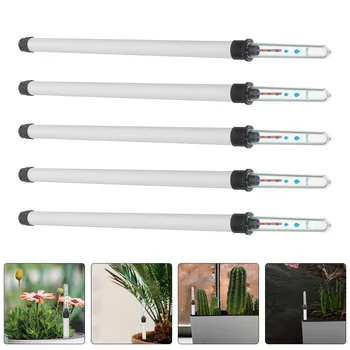
- Water Schedule: Herbs prefer consistent moisture but not soggy conditions. A rule of thumb is 1 inch of water per week, adjusted for rainfall. Use a moisture meter to avoid over‑watering.
- Fertilization: Apply a balanced, slow‑release organic fertilizer (10‑10‑10) once in early spring. Excess nitrogen can cause leafy herbs to become leggy and reduce essential oil production.
- Pruning & Harvesting: Trim back ⅓ of growth every 4‑6 weeks. For lavender, cut just above the leaf nodes after flowering to encourage a second bloom. Regular harvesting stimulates new growth and maintains plant vigor.
- Pest Management: Monitor for aphids and spider mites. A spray of neem oil (2 %) applied early morning can control infestations without harming beneficial insects.
5. Seasonal Adjustments
In colder zones (USDA < 7), protect perennials with a frost cloth or move potted herbs indoors before the first freeze. In hot, arid regions, mulch with straw or shredded bark to retain soil moisture and keep roots cool.
Designing a Nighttime‑Friendly Aromatic Space
Lighting that Enhances Scent
- Soft LED Path Lights: Install low‑intensity, warm‑white LEDs (2700 K) along walkways. These provide enough illumination for safety while allowing aromatic compounds to disperse freely.
- Solar‑Powered Spotlights: Position spotlights to highlight lavender or rosemary bushes. The subtle glow accentuates foliage without overwhelming the night sky.
- Moonlight Mirrors: Place small, reflective surfaces (e.g., polished metal tiles) near aromatic plants to bounce ambient light, creating a gentle shimmer that draws the eye.
Seating & Atmosphere
Choose a comfortable, weather‑resistant bench or a set of low chairs made from reclaimed wood. Add a few outdoor cushions in muted earth tones to blend with the garden palette. Position seating a few feet away from the strongest scented herbs (lavender, mint) so the breeze carries the fragrance directly to you.
Water Features for Auditory Calm
A small, solar‑powered fountain or a ceramic birdbath creates a soothing soundscape. The gentle water movement also raises humidity slightly, which can intensify aromatic release during cool evenings.
Strategic Plant Placement for Nighttime Aroma
- Front Row: Plant mint and lemon balm near the seating area. Their volatile oils are released quickly and are most noticeable at night.
- Mid‑Level: Place lavender and sage a few feet back; their scent lingers longer and adds depth to the aromatic profile.
- Back Row: Use taller rosemary and thyme as a backdrop. Their woody aromas provide a grounding base note.
Seasonal Scent Rotation
To keep the nighttime experience fresh, rotate herbs every 2‑3 years. Replace a portion of lavender with sweet basil in summer, then swap in chamomile for fall evenings. This practice maintains biodiversity and ensures continuous fragrance throughout the year.
Data‑Driven Tips for Long‑Term Success
- Track Growth: Use a simple spreadsheet to log planting dates, harvest yields, and any pest incidents. Over a 3‑year period, you’ll see patterns that help you adjust spacing or watering schedules.
- Soil Testing Annually: Conduct a soil nutrient test each spring. Adjust with compost or organic amendments based on the results to keep the soil fertile without over‑fertilizing.
- Weather Monitoring: Subscribe to a local micro‑climate service. When forecasted humidity exceeds 80 % for three consecutive nights, increase airflow around dense plantings to prevent fungal growth.
Quick Action Checklist
- Choose a sunny spot with at least 6 hours of light.
- Test soil pH and amend to 6.0‑7.0.
- Build raised beds if soil drainage is poor.
- Select herbs based on hardiness zones and companion data.
- Plant with proper spacing and water deeply after planting.
- Install soft LED lighting and a small water feature for nighttime ambiance.
- Prune, harvest, and monitor pests regularly.
- Log observations in a garden journal to refine practices each season.
By following these data‑backed steps and focusing on a design that celebrates scent after sundown, you’ll create an herbs and aromatic garden that not only feeds your palate but also nourishes your senses, turning your backyard into a fragrant retreat you’ll cherish night after night.