Welcome to your go‑to guide for creating a thriving, sustainable garden that not only looks beautiful but also supports the environment and your wallet. By integrating proven practices, low‑cost upgrades, and data‑backed techniques, you’ll transform any outdoor space into a resilient, low‑maintenance oasis. Below you’ll find step‑by‑step instructions, practical tips, and actionable advice that make sustainable gardening both simple and rewarding.
1. Assess Your Site and Set Realistic Goals
1.1 Conduct a Soil Test
Start with a DIY soil test kit or send a sample to your local extension service. Look for pH (ideal 6.0‑7.0 for most vegetables) and nutrient levels. According to the USDA, gardens with balanced soil nutrients reduce fertilizer use by up to 30%.
- Action: Collect soil from 3–5 spots at a depth of 6‑8 inches, mix, and test.
- Tip: Add organic compost if nitrogen is low; lime if pH is below 6.0.
1.2 Map Sunlight Exposure
Track sunlight for a week using a simple notebook or a free smartphone app. Record the number of direct sun hours each zone receives.
- Action: Identify zones with 6‑8 hours of sun for vegetables, 3‑5 hours for shade‑tolerant herbs.
- Tip: Use reflective mulch or light-colored stones to boost light in marginal zones.
2. Choose the Right Plants for Sustainability
2.1 Prioritize Native and Drought‑Resistant Species
Native plants require 40‑60% less water and attract beneficial pollinators. For example, Echinacea purpurea (purple coneflower) can reduce irrigation needs by up to 50% compared to non‑native annuals.
- Action: Select 3–5 native perennials suited to your climate zone (check USDA Hardiness Map).
- Tip: Group plants with similar water needs together (hydrozoning) to optimize irrigation.
2.2 Incorporate Edible Perennials
Plants like asparagus, rhubarb, and perennial herbs (thyme, rosemary) provide harvests for 5‑10 years, cutting down on yearly planting costs.
- Action: Plant at least one edible perennial per 100 sq ft.
- Tip: Mulch heavily around perennials to retain moisture and suppress weeds.
3. Build Healthy Soil with Low‑Cost Upgrades
3.1 Compost from Kitchen Scraps
Composting reduces household waste by up to 30% and creates a nutrient‑rich amendment. A 3‑bucket system can produce usable compost in 8‑12 weeks.
- Action: Start a bin with equal parts brown (dry leaves) and green (fruit peels) material.
- Tip: Turn the pile weekly and keep it moist—like a wrung‑out sponge.
3.2 Use Worm Castings for a Nutrient Boost
Red wigglers (Eisenia fetida) turn organic waste into castings that increase plant growth by up to 25% (University of Minnesota study).

- Action: Set up a simple worm bin using a shallow plastic container, shredded newspaper, and kitchen scraps.
- Tip: Harvest castings every 3 months and mix 1‑2 cups per 10 sq ft of garden bed.
4. Implement Water‑Saving Techniques
4.1 Install a Drip Irrigation System
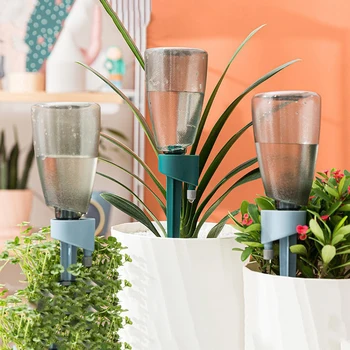
Drip irrigation delivers water directly to the root zone, reducing evaporation by up to 50% compared to sprinklers. A basic DIY kit costs under $50 for a 100‑sq‑ft garden.
- Action: Lay tubing along plant rows, attach emitters (2‑4 gph) near each plant.
- Tip: Use a timer set for early morning (5‑7 am) to maximize absorption.
4.2 Harvest Rainwater
Collecting rainwater can supply 30‑40% of a garden’s water needs in many regions. A 200‑gallon rain barrel paired with a simple diverter can capture up to 1,000 gallons per year in moderate rainfall areas.
- Action: Install a rain barrel under a downspout and connect it to your drip system with a gravity‑feed hose.
- Tip: Add a fine mesh screen to keep debris and mosquitoes out.
5. Manage Pests Naturally
5.1 Encourage Beneficial Insects
Plants like dill, fennel, and yarrow attract ladybugs and predatory wasps, which can reduce aphid populations by up to 70% (Integrated Pest Management data).
- Action: Plant a “beneficial border” of these herbs along the garden’s edge.
- Tip: Avoid broad‑spectrum insecticides; they harm both pests and allies.
5.2 Apply Homemade Sprays
A simple spray of 1 tbsp neem oil, 1 tsp liquid soap, and 1 quart water deters many soft‑bodied pests without harming soil microbes.
- Action: Spray affected plants early morning or late evening, repeat every 7‑10 days.
- Tip: Test on a single leaf first to ensure no phytotoxic reaction.
6. Refresh Your Garden Affordably with Simple Upgrades
6.1 Reuse Materials for Raised Beds
Old pallets, reclaimed wood, or even sturdy cardboard can serve as inexpensive raised‑bed frames. Raised beds improve drainage and soil temperature, extending the growing season by 2‑3 weeks in cooler climates.
- Action: Assemble a 4 × 8‑ft raised bed using three pallets, secure with zip ties.
- Tip: Line the bottom with a layer of cardboard to suppress weeds.
6.2 Add Reflective Mulch for Light Boost
White or silver mulch reflects up to 20% more light onto low‑light plants, enhancing leaf growth without extra fertilizer.
- Action: Spread a 2‑inch layer of reflective mulch around shade‑tolerant herbs.
- Tip: Reapply after heavy rain to maintain reflectivity.
7. Monitor, Adjust, and Celebrate Success
7.1 Keep a Garden Journal
Document planting dates, weather patterns, and yields. Data from a 2‑year journal can reveal trends—e.g., a 15% increase in tomato yield after switching to drip irrigation.
- Action: Record observations weekly in a notebook or a free app like Gardenize.
- Tip: Review the journal each season to fine‑tune practices.
7.2 Share Your Results
Posting before‑and‑after photos, soil test results, and harvest totals on social media not only boosts your SEO (keywords: “sustainable gardening tips,” “eco‑friendly garden upgrades”) but also inspires others to adopt green practices.
- Action: Publish a short blog update every month with at least one data point (e.g., water saved, yield increase).
- Tip: Use hashtags like #SustainableGarden, #EcoFriendlyLiving for broader reach.
By following these data‑driven steps and incorporating low‑cost upgrades, you’ll create a garden that thrives year after year while conserving resources and reducing your carbon footprint. Happy planting, and enjoy the lasting benefits of a truly sustainable garden!