Flower gardening is more than just planting a few colorful blooms—it’s a science, an art, and a rewarding hobby that can transform any yard into a vibrant, living masterpiece. By combining data‑driven decisions with proven horticultural practices, you can create a bold, exotic garden that thrives year after year. Below is a step‑by‑step guide, packed with practical tips, tricks, and actionable advice, to help you grow and care for tropical flower plants that will make your garden the envy of the neighborhood.
1. Choose the Right Tropical Flowers for Your Climate
Successful flower gardening starts with selecting species that match your local climate, soil type, and sunlight exposure. Use USDA hardiness zone maps or local extension service data to narrow down options.
Data‑Driven Plant Selection
- Zone Compatibility: For zones 9‑11, consider Hibiscus rosa-sinensis, Bird of Paradise (Strelitzia reginae), and Heliconia. For cooler zones (7‑8), opt for hardy tropicals like Fuchsia and Begonia rex.
- Soil pH: Most tropical flowers prefer slightly acidic soil (pH 5.5‑6.5). Test your soil and amend with elemental sulfur or peat moss as needed.
- Sunlight Requirements: Record the daily sun exposure in different garden zones. Full‑sun tropicals need 6‑8 hours of direct light, while shade‑tolerant varieties like Impatiens thrive in 3‑4 hours of filtered light.
2. Prepare the Soil for Optimal Growth
Healthy soil is the foundation of any thriving garden. Follow these steps to create a nutrient‑rich, well‑draining growing medium.
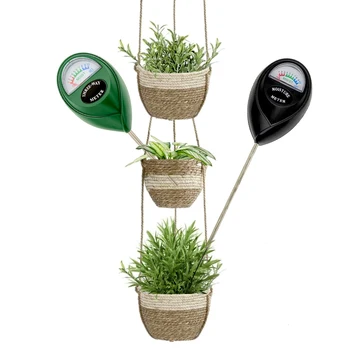
Step‑by‑Step Soil Preparation
- Clear the Area: Remove weeds, rocks, and debris. Use a garden fork to loosen the top 12 inches of soil.
- Amend with Organic Matter: Incorporate 2‑3 inches of compost or well‑rotted manure. This boosts microbial activity and improves water retention.
- Improve Drainage: Add coarse sand or perlite (1 part per 4 parts soil) to prevent waterlogging, a common issue for tropical plants.
- Adjust pH: If a soil test shows pH > 7.0, mix in 1‑2 pounds of elemental sulfur per 100 square feet. Re‑test after two weeks.
3. Planting Techniques for Maximum Impact
Correct planting depth and spacing are crucial for healthy root development and air circulation, reducing disease risk.
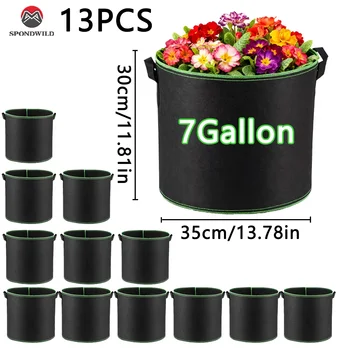
Planting Procedure
- Dig the Hole: Make a hole twice as wide and the same depth as the plant’s root ball.
- Backfill with Soil Mix: Combine native soil with the same compost‑sand blend used during preparation.
- Set the Plant: Place the plant so the top of the root ball sits level with the surrounding soil. Avoid burying the stem.
- Water In: Give a deep soak (about 10 gallons for a medium‑sized plant) to settle the soil and eliminate air pockets.
- Spacing: Follow species‑specific guidelines—generally 3‑4 feet for large foliage plants (e.g., Heliconia) and 1‑2 feet for compact blooms (e.g., Impatiens).
4. Watering Strategies that Mimic Tropical Rainfall
Consistent moisture is key, but overwatering can lead to root rot. Use data from local rainfall patterns to schedule irrigation.
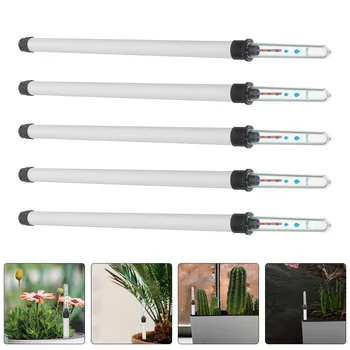
Smart Watering Tips
- Morning Watering: Apply water early to allow foliage to dry, reducing fungal disease risk.
- Deep Soaks: Water until the soil is moist 8‑10 inches deep. Shallow, frequent watering encourages weak root systems.
- Mulch: Spread 2‑3 inches of organic mulch (e.g., shredded bark) to retain moisture and regulate soil temperature.
- Rain Sensors: If you have a smart irrigation controller, set it to skip watering when >0.1 inch of rain is recorded.
5. Fertilization: Feeding Your Exotic Blooms
Balanced nutrition fuels vibrant colors and robust growth. Use a data‑driven fertilization schedule based on plant growth stages.
Fertilizer Recommendations
- Starter Fertilizer: Apply a slow‑release granular fertilizer (10‑10‑10) at planting time at a rate of 1 lb per 100 sq ft.
- Growth Phase: Every 6‑8 weeks, feed with a high‑potassium liquid fertilizer (e.g., 20‑10‑20) to promote flowering.
- Micronutrients: Tropical plants benefit from magnesium (Epsom salts) and iron chelate—apply 1 tbsp per 10 gal of water during the flowering peak.
6. Pruning and Maintenance for Continuous Blooms
Regular pruning removes dead material, improves airflow, and encourages new growth.
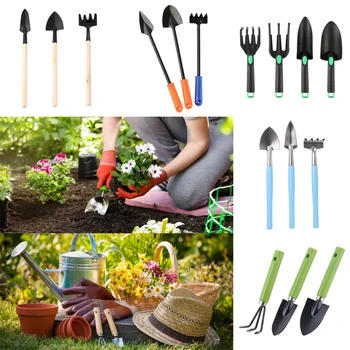
Pruning Checklist
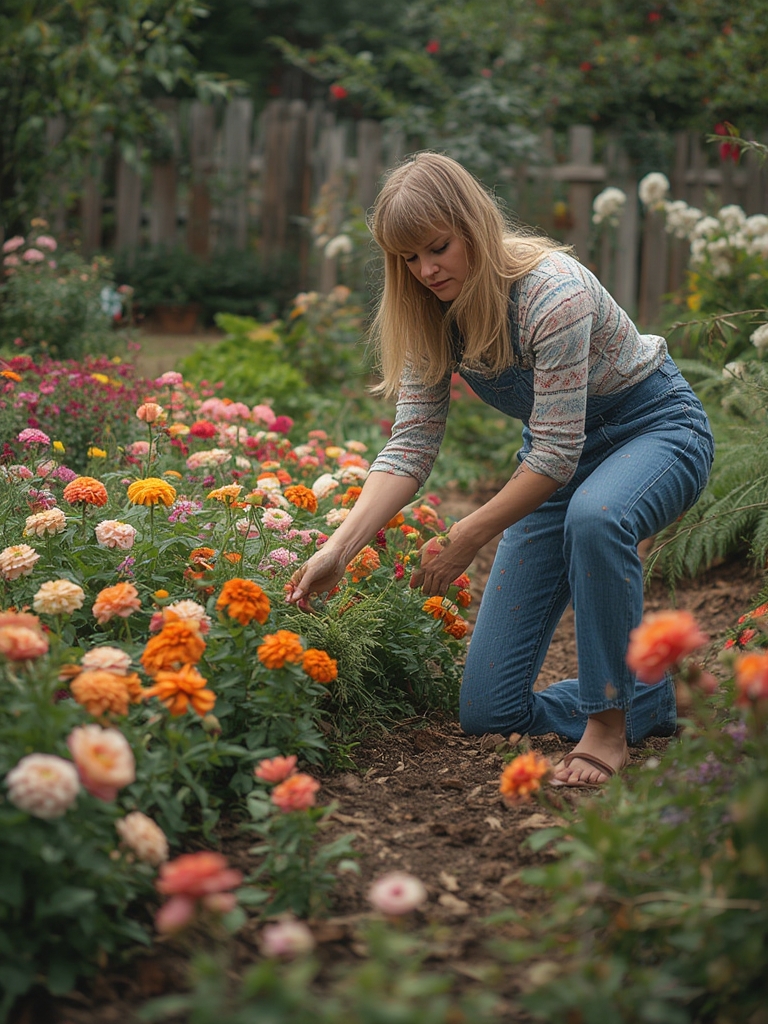
- Deadheading: Snip spent flowers back to the first healthy node to stimulate a second flush of blooms.
- Shape Control: Trim leggy stems in early spring to maintain a compact, bushy form.
- Sanitation: Disinfect pruning tools with a 10% bleach solution between cuts to prevent disease spread.
7. Pest and Disease Management Using Integrated Strategies
Exotic gardens can attract pests like aphids, spider mites, and fungal pathogens. An integrated pest management (IPM) approach minimizes chemical use.
IPM Action Plan
- Monitoring: Conduct weekly visual inspections. Use sticky traps to gauge insect populations.
- Biological Controls: Release beneficial insects such as lady beetles and predatory mites.
- Organic Sprays: Apply neem oil or insecticidal soap at the first sign of infestation—spray the undersides of leaves thoroughly.
- Cultural Practices: Ensure proper spacing and airflow; avoid overhead watering to reduce fungal disease pressure.
8. Seasonal Adjustments for Year‑Round Success
Even tropical plants need seasonal care to survive temperature fluctuations.
Winter Protection
- Mulch Heavily: Add an extra 2‑3 inches of straw or leaf mulch around the base of plants.
- Cover with Frost Cloth: Use breathable frost blankets during cold snaps (below 45 °F).
- Indoor Relocation: For potted tropicals, move them to a sunny indoor location with temperatures between 65‑75 °F.
Summer Heat Management
- Shade Cloth: Deploy 30‑40% shade cloth during extreme heat (>90 °F) to prevent leaf scorch.
- Consistent Moisture: Increase watering frequency, ensuring the soil never dries out completely.
9. Harvesting and Using Your Tropical Blooms
Many tropical flowers double as decorative cut flowers or natural décor.
Harvest Tips
- Timing: Cut blooms early in the morning when they are fully turgid.
- Tools: Use sharp, clean pruners to make a clean cut at a 45° angle.
- Post‑Harvest Care: Place stems in a bucket of lukewarm water and add a teaspoon of sugar to prolong vase life.
10. Tracking Progress with Simple Data Logs
Keeping a garden journal helps you refine your approach over time.
What to Record
- Date of planting and species name.
- Soil amendments and pH adjustments.
- Watering volumes and frequency.
- Fertilizer types, rates, and application dates.
- Observations on pest activity, disease symptoms, and bloom performance.
Review your logs at the end of each growing season to identify patterns—such as which fertilization schedule produced the most abundant blooms or which pest control method was most effective.
Conclusion: Your Path to a Lush, Exotic Flower Garden
By combining data‑driven plant selection, precise soil preparation, disciplined watering, and integrated pest management, you can cultivate a bold tropical oasis that dazzles with color and texture. Follow the steps outlined above, stay observant, and adjust based on real‑world results. Within a single growing season, you’ll see the transformation from a modest plot to an exotic garden that feels like a slice of the tropics—right in your own backyard.