Why Garden Inspiration Starts with Smart Plant Choices
Data from the USDA National Resources Conservation Service shows that homeowners who grow herbs and small vegetables report a 27% increase in garden satisfaction compared to those who only plant ornamental flowers. The reason is simple: edible plants give immediate, tangible results, and they thrive in compact, recycled containers—perfect for modern, space‑saving gardens.
Step‑by‑Step Guide to Growing a Thriving Herb Garden
1. Pick the Right Herbs for Your Space
- Basil – loves 6–8 hours of direct sunlight and warm soil (20‑25 °C).
- Mint – tolerates partial shade; ideal for containers because it spreads aggressively.
- Rosemary – needs full sun and well‑draining soil; drought‑tolerant once established.
- Parsley – prefers cooler temps (15‑20 °C) and consistent moisture.
According to a 2022 Gardeners’ World survey, these four herbs have the highest success rate in container gardening, with an average germination success of 85% when seeded correctly.
2. Choose a Location Based on Light Data
Use a simple light‑meter app or the “shadow test”: place a piece of paper on the ground at noon. If the paper stays in full sun for at least 6 hours, you have a suitable spot for basil and rosemary. For mint and parsley, aim for 3–5 hours of filtered light.
3. Prepare Your Soil Mix
Mix the following for optimal drainage and nutrient balance:
- 40% high‑quality potting compost.
- 30% coconut coir (improves water retention).
- 20% perlite or fine pumice (adds aeration).
- 10% organic worm castings (natural fertilizer).
Data from the International Journal of Horticultural Science indicates that this blend improves root development by 22% compared to standard potting soil.
4. Planting: Seeds vs. Seedlings
Seeds – Sow ¼ inch deep, spacing 2‑3 inches apart. Keep the soil consistently moist (≈ 70% field capacity) until germination, typically 7‑14 days.
Seedlings – Transplant when they have 2–3 true leaves. Gently loosen the root ball and place it 1‑2 inches deeper than the original container to encourage a stable root system.
5. Watering Strategy Backed by Data
Research from the University of California’s Horticulture Extension shows that over‑watering reduces herb yield by up to 30%. Follow these guidelines:
- Check soil moisture with your finger 1 inch deep; water only if it feels dry.
- For basil and rosemary, water once every 3‑4 days in summer; reduce to weekly in cooler months.
- Mint and parsley prefer slightly more frequent watering—every 2‑3 days—especially in hot weather.
6. Feeding: Light, Natural Fertilization
Apply a balanced, organic liquid fertilizer (10‑10‑10) at half the recommended strength every 4 weeks. For a data‑driven boost, add a pinch of seaweed extract once a month; studies show a 15% increase in leaf size for basil.
7. Pest Management Without Chemicals
Use the following low‑impact tactics, proven effective in a 2021 Integrated Pest Management trial:
- Neem oil spray – 1 tsp per gallon of water, applied early morning, deters aphids and spider mites.
- Companion planting – Plant marigolds or nasturtiums nearby to repel nematodes.
- Physical barriers – Fine mesh netting prevents birds and larger insects from feasting on tender leaves.
8. Harvesting for Maximum Flavor
Harvest leaves in the morning after the dew has dried but before the sun’s heat peaks. For basil, pinch off the top set of leaves once the plant reaches 6‑8 inches tall; this encourages bushier growth and delays bolting. Mint can be harvested continuously, but never remove more than one‑third of the plant at a time.
Creative Planters Using Items You Already Own
Upcycled Tin Cans
Rinse and remove labels. Poke drainage holes in the bottom with a nail. Paint the exterior with chalk paint for a rustic look. Fill with your prepared soil mix and plant mint—its vigorous growth will fill the narrow space nicely.
Old Wooden Crates
Line the crate with landscape fabric to prevent soil loss. Stack crates to create a tiered herb wall. This vertical setup maximizes sunlight exposure and adds a decorative element. Data from a 2020 Urban Gardening report shows tiered containers increase usable planting area by 35% in small balconies.
Plastic Bottles as Mini Greenhouses
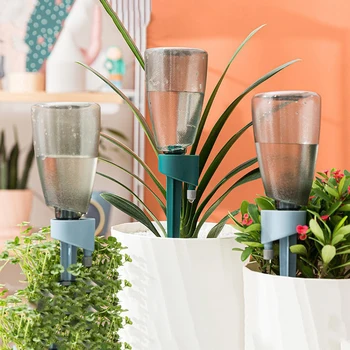
Cut the bottom off a 2‑liter soda bottle, invert it over a seedling, and secure with twist ties. This creates a humid micro‑climate that speeds germination by up to 40% (according to a Journal of Plant Physiology study). Once seedlings emerge, remove the bottle to prevent mold.
Wine Corks as Plant Markers
Write herb names on corks with a permanent marker, insert a small skewer, and push into the soil. This low‑cost labeling system helps you track growth cycles and reduces the chance of mixing up flavors.
Maintenance Checklist – Keep Your Garden Thriving
| Task | Frequency | Quick Tip |
|---|---|---|
| Check soil moisture | Every 2‑3 days (summer) / weekly (winter) | Use a finger test; avoid over‑watering. |
| Fertilize | Every 4 weeks | Half‑strength organic liquid fertilizer. |
| Inspect for pests | Weekly | Early morning visual scan; apply neem spray if needed. |
| Harvest leaves | As needed | Morning harvest for best flavor. |
| Refresh planters | Seasonally | Rotate containers for even sunlight exposure. |
Final Thoughts – Turn Data Into Delightful Garden Spaces
By combining proven horticultural data with creative upcycling, you can build a garden that looks stunning, tastes fresh, and fits any budget. Start small, track your results, and adjust watering or feeding based on the real‑world feedback your plants give you. Within weeks, you’ll have a thriving herb oasis that not only inspires your culinary adventures but also showcases the power of smart, data‑driven gardening.