Flower gardening is more than just planting pretty blooms; it’s a rewarding blend of science, art, and ecology. By following a data‑driven approach, you can create a vibrant garden that not only looks stunning but also supports birds, bees, and beneficial insects. Below is an 800‑word, step‑by‑step guide that walks you through every phase—from site selection to seasonal maintenance—while sprinkling in practical tips you can act on today.
1. Assess Your Site and Soil
1.1 Conduct a Sunlight Survey
Use a simple spreadsheet to log sunlight exposure for each garden zone. Record the number of direct sun hours (e.g., 6–8 hours = “Full Sun,” 3–6 hours = “Partial Sun”). Prioritize full‑sun zones for sun‑loving annuals like marigolds and zinnias, and partial‑sun spots for shade‑tolerant perennials such as impatiens.
1.2 Test Soil pH and Texture
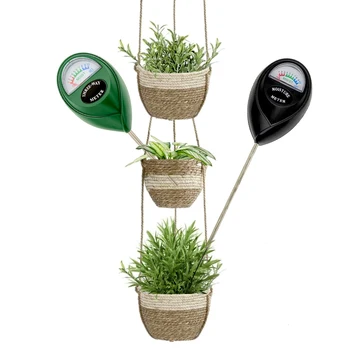
Purchase a cheap pH test kit or send a sample to your local extension office. Aim for a pH of 6.0–7.0 for most flowering plants. If the soil is heavy clay, mix in 2–3 inches of compost and coarse sand to improve drainage. For sandy soils, add organic matter to boost water‑holding capacity.
1.3 Actionable Tip
Mark each garden bed with colored stakes (green for full sun, yellow for partial sun). This visual cue speeds up planting decisions and reduces trial‑and‑error.
2. Choose the Right Flowers
2.1 Data‑Driven Variety Selection
Review regional planting calendars from your university’s horticulture department. Select at least three bloom periods (early spring, midsummer, fall) to ensure continuous color and food sources for pollinators.
2.2 Mix Native and Non‑Native Species
Native plants like coneflower (Echinacea) and black-eyed Susan (Rudbeckia) are proven pollinator magnets. Pair them with ornamental favorites such as petunias or snapdragons for visual impact.
2.3 Actionable Tip
Create a “plant matrix” in a Google Sheet: rows = plant names, columns = sun, soil pH, bloom time, pollinator value. Sort by “pollinator value” to prioritize species that attract bees and butterflies.
3. Prepare the Planting Bed
3.1 Clear and Loosen
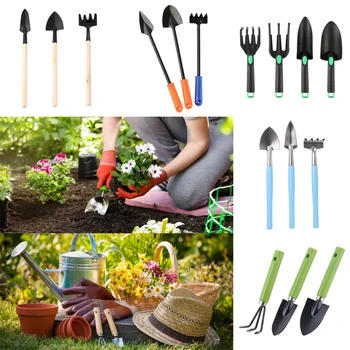
Remove weeds, grass, and debris. Use a garden fork to loosen the top 12 inches of soil, breaking up compacted clods. This improves root penetration and water infiltration.
3.2 Amend with Organic Matter
Spread a 2‑inch layer of well‑rotted compost or aged manure. Incorporate it evenly with a rake. Compost not only supplies nutrients but also fosters beneficial microbes that deter soil‑borne diseases.
3.3 Mulch for Moisture Retention
Apply a 2‑inch mulch of shredded bark, straw, or pine needles. Mulch reduces evaporation, suppresses weeds, and creates a cool micro‑climate for seedlings.
3.4 Actionable Tip
Place a drip‑irrigation line before mulching. Drip systems deliver water directly to the root zone, cutting water use by up to 30 % compared to overhead sprinklers.
4. Planting Techniques
4.1 Follow Spacing Guidelines
Refer to seed packet or plant label for recommended spacing. Overcrowding limits airflow, increasing fungal risk. A good rule of thumb: give each plant a “personal bubble” equal to its mature width.
4.2 Depth Matters
Plant seedlings at the same depth they were in their pots. For bare‑root perennials, spread the roots gently and backfill, firming soil around the crown without compacting.
4.3 Water In‑Depth Immediately
After planting, water each bed until the soil is moist to a depth of 6–8 inches. This settles the soil around roots and eliminates air pockets.
4.4 Actionable Tip
Label each row with plant names and planting dates using waterproof garden markers. This helps you track growth, harvest, and future rotation plans.
5. Ongoing Care & Maintenance
5.1 Consistent Watering Schedule
Aim for 1 inch of water per week, either from rainfall or irrigation. Early morning watering reduces evaporation and leaf wetness, lowering disease pressure.
5.2 Fertilize Smartly
Apply a balanced, slow‑release fertilizer (10‑10‑10) at planting and again after the first flush of blooms. For organic lovers, use a side‑dressed layer of compost tea every 4–6 weeks.
5.3 Deadheading and Pruning
Remove spent flowers to encourage repeat blooming. Trim back leggy stems to promote bushier growth. Use clean, sharp scissors to avoid transmitting pathogens.
5.4 Integrated Pest Management (IPM)
Monitor weekly for pests. Use the “scare‑and‑replace” method: introduce ladybugs or lacewings to control aphids, and sprinkle neem oil only when thresholds exceed 5 % leaf damage.
5.5 Actionable Tip
Set a recurring calendar reminder on your phone for “Weekly Garden Check.” A 10‑minute walk can catch early signs of stress before they become costly problems.
6. Create a Haven for Birds, Bees, and Beneficial Insects
6.1 Plant a Pollinator Strip
Dedicate a 3‑foot‑wide border to nectar‑rich plants like lavender, bee balm, and salvia. These species provide continuous forage from spring through fall.
6.2 Install Nesting Sites
Hang a few wooden bee houses (3‑inch diameter tubes) at 4–6 feet height, facing southeast. For birds, add a simple platform feeder stocked with mixed seeds and a water dish.
6.3 Provide Water Sources
Place a shallow birdbath with a few stones for perching. Keep the water fresh and change it weekly to prevent mosquito breeding.
6.4 Avoid Broad‑Spectrum Insecticides
Even “organic” sprays can harm pollinators. Opt for targeted treatments like horticultural oil applied at night when bees are inactive.
6.5 Actionable Tip
Plant a “bug hotel” using stacked bamboo, straw, and pine cones in a sunny corner. This micro‑habitat shelters solitary bees, ladybugs, and predatory wasps that naturally control garden pests.
7. Seasonal Wrap‑Up and Planning
7.1 End‑of‑Season Cleanup
After the first frost, cut back all dead foliage and compost it if disease‑free. This reduces overwintering pest habitats.
7.2 Soil Re‑Assessment
Take a second soil test in early spring to gauge nutrient depletion. Amend accordingly before the next planting cycle.
7.3 Record Keeping
Maintain a garden journal (digital or paper). Log planting dates, weather patterns, pest incidents, and pollinator sightings. Over time, this data reveals trends that help you fine‑tune your garden for higher yields and biodiversity.
7.4 Actionable Tip
Before winter, scatter a thin layer of leaf mulch over beds. It insulates roots, improves soil structure, and provides a food source for overwintering insects that emerge in spring.
By following these data‑driven steps and integrating wildlife‑friendly practices, you’ll cultivate a flower garden that thrives visually and ecologically. Not only will you enjoy a kaleidoscope of colors, but you’ll also support the essential pollinators that keep our ecosystems healthy. Happy planting!