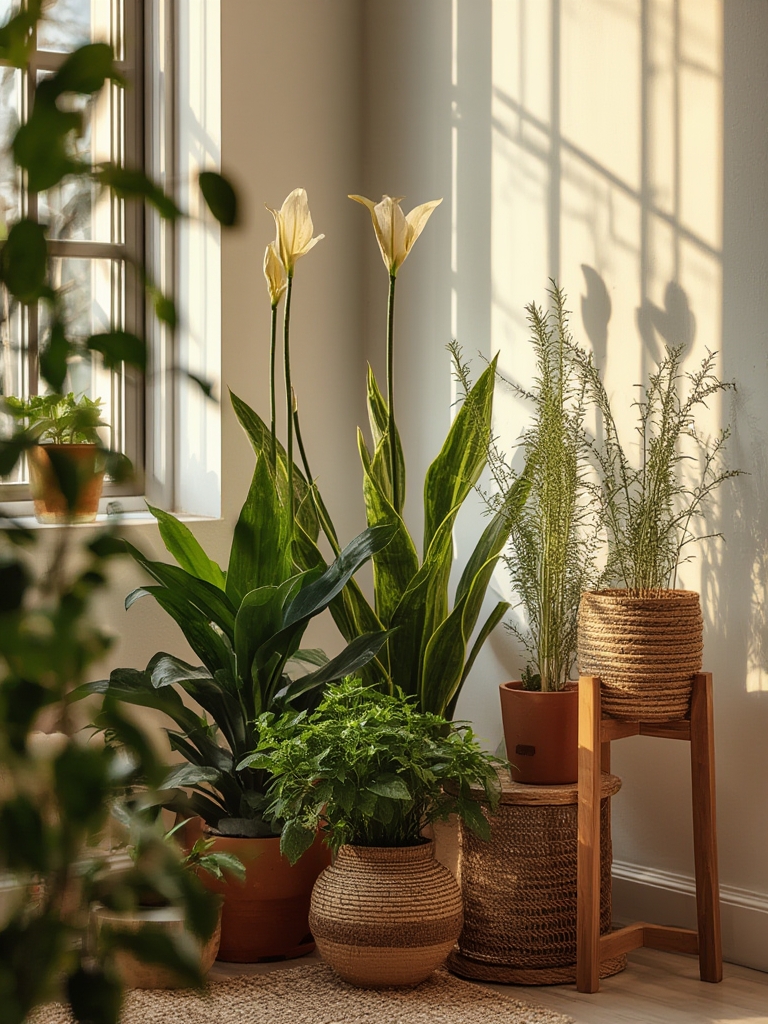
Creating a thriving herbs and aromatic garden is both a rewarding hobby and a smart way to enhance your cooking, health, and home ambiance. By combining data‑driven planting schedules, soil science, and efficient garden management, you can enjoy fresh basil, rosemary, mint, and lavender all year round. Below is a step‑by‑step guide that blends proven horticultural research with practical, actionable tips to help beginners and seasoned gardeners alike succeed.
1. Planning Your Garden Layout
Assess Sunlight and Space
According to the USDA Plant Hardiness Zone map, most culinary herbs thrive in zones 4‑9. Use a sunlight meter or a simple smartphone app to record the number of direct sun hours each potential planting spot receives over a week. Aim for at least 6‑8 hours of sunlight for sun‑loving herbs like thyme, oregano, and sage; shade‑tolerant varieties such as mint and chives can manage with 3‑4 hours.
Actionable tip: Sketch a rough garden plan on graph paper (1 square = 1 ft). Mark high‑sun zones in yellow and partial‑shade zones in light green. This visual aid prevents overcrowding and ensures each herb gets its ideal light exposure.
Choose the Right Containers or Beds
Data from the University of California’s Integrated Pest Management program shows that raised beds improve drainage by 30 % compared to ground planting, reducing root rot in moisture‑sensitive herbs. If space is limited, opt for 12‑inch pots with drainage holes for each herb.
Actionable tip: Use lightweight, stackable plastic trays for seedlings. When it’s time to transplant, move the trays directly into the raised bed to minimize root disturbance.
2. Preparing Soil and Nutrients
Soil Testing and Amendment
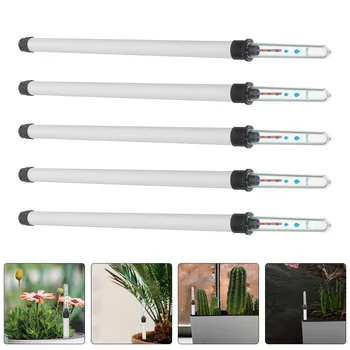
Conduct a simple soil test using a home kit (pH, nitrogen, phosphorus, potassium). Herbs prefer a slightly alkaline pH of 6.5‑7.5. If the test shows acidity, incorporate garden lime at a rate of 1 lb per 10 sq ft. For sandy soils, add compost at a depth of 2‑3 inches to boost organic matter and water retention.
Actionable tip: Mix a 1:1 ratio of compost to potting soil for container herbs. This blend provides a balanced nutrient release and improves aeration.
Smart Fertilizer Scheduling
Research from Cornell University indicates that a light feeding of a balanced 10‑10‑10 fertilizer every 6‑8 weeks supports steady herb growth without causing excessive foliage. Over‑fertilizing can dilute essential oils, reducing aroma and flavor.
Actionable tip: Use a slow‑release granular fertilizer and apply it once in early spring and again in midsummer. Water thoroughly after application to activate the nutrients.
3. Planting and Spacing Techniques
Seed vs. Transplant
Data from the Royal Horticultural Society shows a 70 % higher germination rate for direct‑sown basil seeds compared to transplanting. However, herbs like rosemary and lavender have low seed viability and are best started from cuttings or nursery stock.
Actionable tip: Start basil and cilantro from seed in seed trays 4 weeks before the last frost. For rosemary, take a 6‑inch cutting, remove lower leaves, dip in rooting hormone, and plant in a moist pot.
Optimal Spacing
Proper spacing reduces competition for nutrients and improves airflow, lowering the risk of fungal diseases. Follow these guidelines:
- Basil: 12‑18 inches apart
- Thyme & Oregano: 8‑10 inches apart
- Mint (in containers): 12 inches apart; in the ground, use a 12‑inch pot to contain its invasive roots.
- Lavender: 24‑30 inches apart for good air circulation.
Actionable tip: Use a simple ruler or a garden stake with measurement marks to maintain consistent spacing during planting.
4. Watering, Mulching, and Maintenance
Water Management
Studies from the University of Florida reveal that most herbs thrive with deep, infrequent watering—approximately 1 inch of water per week—rather than daily light sprinklings. This encourages deeper root growth and drought tolerance.
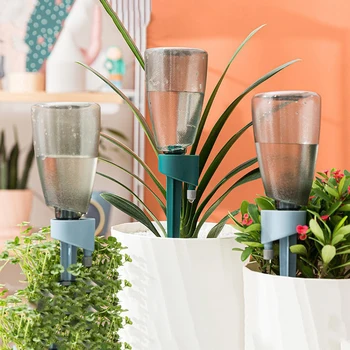
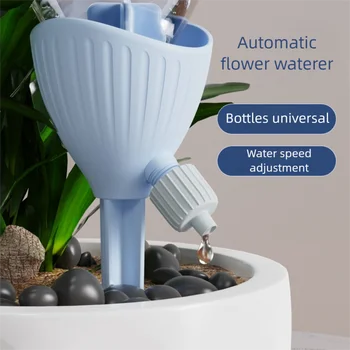
Actionable tip: Install a drip irrigation system with a timer set to 15‑minute intervals twice a week. This conserves water and delivers moisture directly to the root zone.
Mulching for Moisture Retention
Applying a 2‑inch layer of organic mulch (e.g., shredded bark or straw) reduces soil evaporation by up to 40 % and suppresses weeds. Mulch also gradually adds organic matter as it decomposes.
Actionable tip: Spread mulch around each herb, keeping it a few inches away from the stems to prevent rot.
Keep Tools Tidy and Accessible with These Smart Solutions
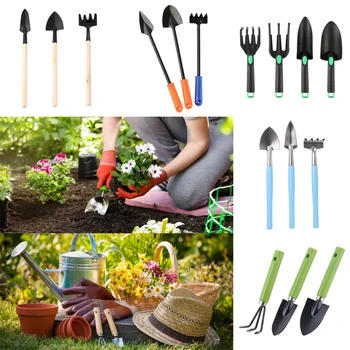
Efficiency in the garden starts with organized tools. Use a wall‑mounted pegboard with labeled hooks for hand tools, a rolling tote for larger items, and magnetic strips for metal implements. A small, labeled bucket for seed packets and plant tags keeps everything within reach, reducing time spent searching and minimizing the risk of cross‑contamination.
5. Harvesting and Continuous Care
Timing Your Harvest
Harvesting at the right stage maximizes flavor and encourages regrowth. For basil, pinch off leaves just before the plant flowers; for mint, harvest the top third of the stems. Data from the University of Michigan shows that cutting herbs back by one-third promotes bushier growth without stressing the plant.
Actionable tip: Use clean, sharp scissors and harvest in the early morning after the dew has dried for the most potent essential oils.
Seasonal Adjustments
In colder zones, protect perennials like rosemary and lavender with a frost blanket or move containers indoors. A layer of straw mulch can extend the growing season for hardy herbs such as thyme and sage.
Actionable tip: Set a reminder on your phone to check frost dates and apply protective measures two weeks before the expected first frost.
6. Data‑Driven Success Tracking
Maintain a Garden Journal
Record planting dates, soil test results, watering schedules, and harvest yields in a simple spreadsheet or a garden app. Analyzing this data over multiple seasons helps you fine‑tune practices, such as adjusting fertilizer rates or modifying irrigation timing.
Actionable tip: Add a “Flavor Rating” column (1‑5) after each harvest to track which techniques produce the most aromatic herbs.
Utilize Mobile Apps for Pest Alerts
Apps like “Gardenize” or “Plantix” use image recognition to identify pests and diseases, offering immediate treatment recommendations. Early detection can prevent up to 80 % loss in herb yield, according to a study by the University of Illinois.
Actionable tip: Take a clear photo of any suspicious leaf spots and upload it to the app for instant advice.
By following these data‑backed steps and incorporating smart organization practices, you’ll cultivate a lush, aromatic herb garden that delivers fresh flavors, soothing scents, and a satisfying sense of accomplishment. Happy gardening!