
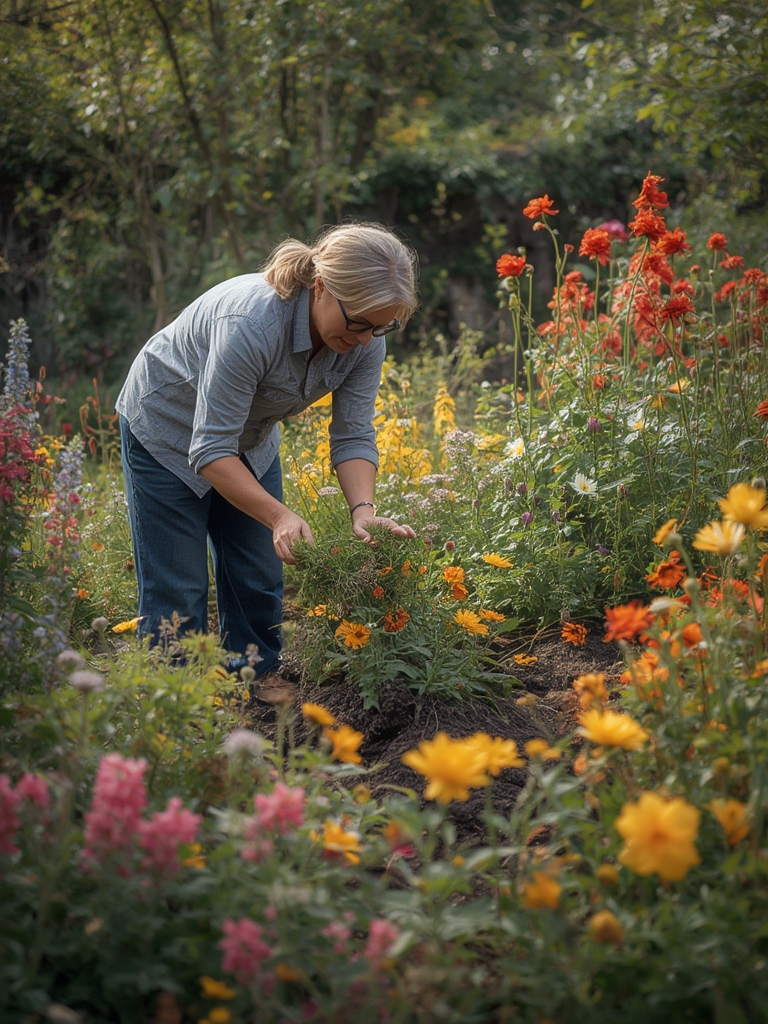

Flower gardening isn’t just a hobby—it’s a science backed by data, a splash of creativity, and a routine that can be mastered in just a few clear steps. Whether you’re a seasoned green thumb or a beginner looking to turn a small balcony into a blooming oasis, this guide walks you through every phase of growing healthy, vibrant flowers. Each step includes practical, actionable tips that you can implement today, plus a simple recipe for nutrient‑rich compost tea that will supercharge your soil.
1. Choose the Right Location and Flowers
Assess Sunlight, Wind, and Soil
- Sunlight: Use a light meter or the “shadow test.” Flowers like roses, lavender, and sunflowers need 6–8 hours of direct sun. Shade‑loving varieties such as impatiens and begonias thrive with 3–4 hours of filtered light.
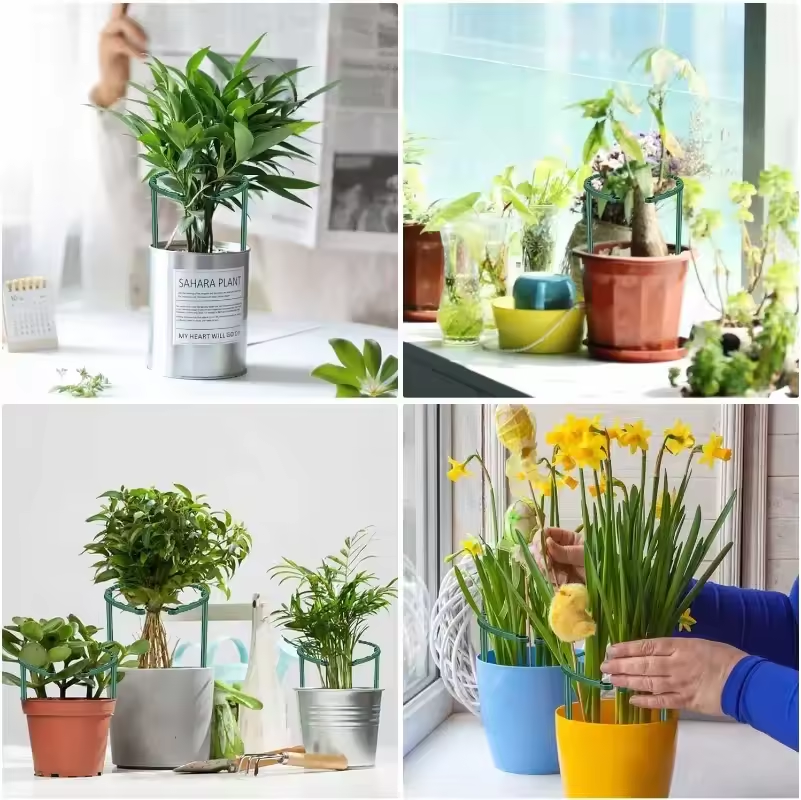
- Wind: Sites exposed to strong winds can cause breakage and desiccation. Plant windbreaks (e.g., taller shrubs) or use stakes for taller stems.
- Soil pH: Most flowering plants prefer a pH of 6.0–6.8. Test with a simple kit and amend with lime (to raise pH) or sulfur (to lower pH) as needed.
Select Flowers Based on Climate Zones
Reference the USDA Hardiness Zone map. For example, zone 5–7 can reliably grow peonies, while zone 9–10 is ideal for tropical hibiscus. Matching plants to your zone reduces disease risk and improves bloom longevity.
2. Prepare Soil and Planting Beds
Build a Nutrient‑Rich Base
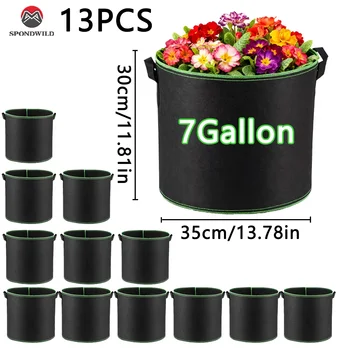
Start with a 12‑inch deep bed. Mix the following in a 1:1:1 ratio:
- Well‑rotted compost
- Coarse sand (improves drainage)
- Garden soil (native soil provides beneficial microbes)
Compact lightly and water to settle the mix.
Make Nutrient‑Rich Compost Tea
Compost tea delivers soluble nutrients and beneficial microbes directly to the root zone. Follow these steps:
- Ingredients: 1 cup of high‑quality, fully decomposed compost, 5 gal of rainwater (or dechlorinated tap water), and 1 tsp of unsulfured black tea (optional for extra tannins).
- Steep: Place the compost in a breathable burlap bag, submerge in the water, and stir gently. Let it brew for 24–48 hours in a shaded area.
- Strain & Apply: Remove the bag, dilute the tea to a light amber color with additional water if needed, and apply at the base of each plant using a watering can. Use once every two weeks during the growing season.
Data from the University of California’s horticulture department shows a 15‑20% increase in flower size** when compost tea is applied regularly.
3. Planting Your Flowers
Timing and Spacing
- Cool‑season flowers (pansies, snapdragons) should be planted 2–4 weeks before the last frost.
- Warm‑season flowers (marigolds, zinnias) are best sown after soil temperatures reach 65 °F (18 °C).
- Space plants according to label recommendations—generally 12–18 inches apart for medium‑sized blooms. Proper spacing improves air circulation, reducing fungal disease by up to 30%.
Planting Technique
- Dig a hole twice as wide and the same depth as the root ball.
- Mix a handful of compost tea into the backfill soil.
- Place the plant, ensuring the crown sits level with the soil surface.
- Backfill, firm gently, and water thoroughly to settle the soil.
4. Watering, Feeding, and Ongoing Care
Smart Watering Practices
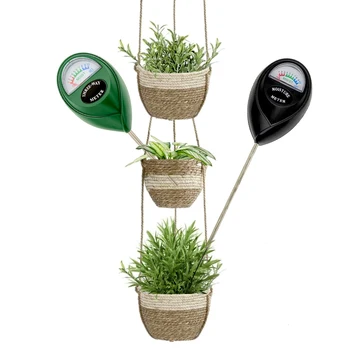
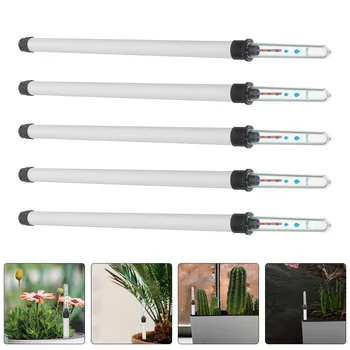
Over‑watering is the #1 cause of root rot. Use a moisture meter or the “finger test”: insert a finger 2 inches deep—if it feels dry, water. Aim for 1‑1.5 inches of water per week, adjusting for rainfall.

Feeding Schedule
- Early season: Apply a balanced 10‑10‑10 fertilizer at ½ cup per 100 sq ft.
- Mid‑season: Switch to a high‑phosphorus formula (e.g., 5‑10‑5) to boost bloom production.
- Every 2 weeks: Use the compost tea recipe above for a gentle, organic boost.
Mulching for Moisture Retention
Spread a 2‑inch layer of shredded bark or straw around the base of each plant. Mulch reduces evaporation by up to 40% and suppresses weeds, saving you time and water.
5. Pest and Disease Management
Preventive Measures
- Inspect new plants for signs of aphids, spider mites, or fungal spots before introducing them to the garden.
- Rotate crops annually—avoid planting the same family in the same spot for more than two years.
- Encourage beneficial insects by planting a small “insectary” of dill, fennel, and yarrow.
Organic Remedies
- Neem oil spray: Mix 1 tsp neem oil with 1 qt water and a few drops of dish soap. Apply every 7–10 days.
- DIY garlic spray: Blend 4 cloves of garlic, 1 cup water, and 1 tsp liquid soap. Strain and spray on affected foliage.
- For powdery mildew, increase airflow and apply a 1‑part milk to 9‑part water spray at sunset.
6. Pruning, Deadheading, and Harvesting
Deadheading for Continuous Blooms
Remove spent flowers by snipping just above the first set of healthy buds. Studies show deadheading can extend the blooming period by 30‑40% in many annuals.
Pruning Woody Perennials
- In early spring, cut back 20‑30% of last year’s growth to stimulate new shoots.
- For roses, remove any canes that are thorny, diseased, or crossing each other.
Harvesting Cut Flowers
Cut stems early in the morning when water content is highest. Place them in a bucket of cool water with a teaspoon of sugar and a few drops of bleach to prolong vase life.
7. Seasonal Wrap‑Up and Soil Renewal
End‑of‑Season Soil Care
After the last frost, clear all plant debris to reduce overwintering pests. Then, work a 2‑inch layer of compost tea‑infused compost into the soil. This replenishes nutrients and improves soil structure for the next planting cycle.
Track Your Results
Keep a simple garden journal (paper or digital). Record planting dates, varieties, watering frequency, and any pest issues. Over time, you’ll spot patterns—like which locations retain moisture best—allowing you to fine‑tune your approach and achieve even better results year after year.
By following these data‑driven steps and incorporating the easy‑to‑make compost tea, you’ll create a thriving flower garden that not only looks stunning but also supports a healthy, balanced ecosystem. Happy planting!
