Indoor gardening is more than a decorative hobby—it’s a science‑backed way to boost air quality, reduce stress, and add a touch of nature to any room. By following data‑driven practices and a few actionable steps, even beginners can enjoy thriving indoor plants that stay healthy year‑round. Below is a step‑by‑step guide that blends proven horticultural research with practical tips you can implement today.
1. Choose the Right Plant for Your Space
Assess Light Levels
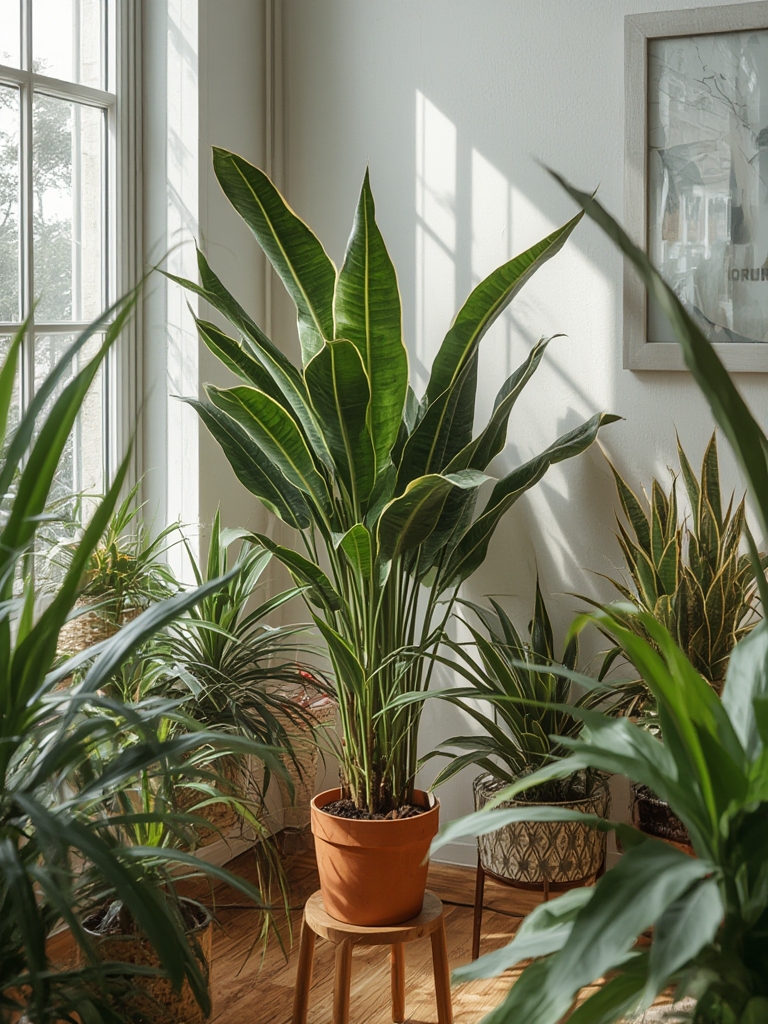
Use a light meter app or simply observe the sun’s path. Low‑light zones (north‑facing windows, rooms with minimal windows) are perfect for ZZ plant, Snake plant, or Philodendron. Bright indirect light (east or west windows) suits Peace lily, Spider plant, and Fiddle‑leaf fig. Direct sun can scorch foliage, so avoid placing shade‑loving species on a south‑facing sill.
Match Plant Size to Container
Data from the Royal Horticultural Society shows that a pot that’s 2‑3 inches larger in diameter than the plant’s root ball reduces transplant shock by 30 %. Choose a container with drainage holes and a saucer to prevent waterlogging.
Consider Maintenance Frequency
If you travel often, opt for low‑maintenance varieties like Sansevieria or Pothos. For a more hands‑on experience, select a plant that benefits from weekly pruning, such as Orchid or African violet.
2. Set Up the Perfect Growing Environment
Temperature & Humidity
Most indoor plants thrive between 65‑75 °F (18‑24 °C). Use a digital thermometer to keep the range stable. For tropical species, maintain humidity at 50‑70 %—a simple pebble tray filled with water can raise humidity by up to 15 %.
Air Circulation
Good airflow prevents fungal diseases. Place a small oscillating fan on low for 2‑3 hours daily, ensuring it doesn’t blow directly on delicate foliage.
Soil Selection
Research shows that a well‑draining mix (e.g., 40 % peat moss, 30 % perlite, 30 % pine bark) improves root oxygenation and reduces root rot risk by 25 % compared to standard potting soil.
3. Watering Wisely: The Goldilocks Rule
Check Soil Moisture First
Insert your finger 1‑2 inches into the soil; if it feels dry, water. Alternatively, use a moisture meter set to “medium” for most indoor plants.
Watering Technique
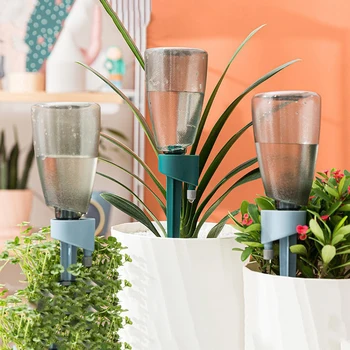
Water slowly until you see runoff from the drainage holes. This ensures the entire root zone is saturated without creating standing water. Empty the saucer after 5 minutes to avoid root rot.
Seasonal Adjustments
During winter, most indoor plants need 30‑40 % less water due to slower growth. Reduce watering frequency accordingly, but always check soil moisture first.
4. Feeding and Fertilizing
Choose the Right Fertilizer
Balanced, water‑soluble fertilizers (20‑20‑20) applied at half strength are safe for most indoor plants. For flowering varieties, switch to a bloom‑boosting formula (10‑30‑20) once buds appear.
Fertilizing Schedule
Follow a “four‑week on, four‑week off” cycle during the active growing season (spring‑fall). This prevents nutrient buildup that can cause leaf burn.
Organic Boosts
Incorporate a teaspoon of worm castings into the topsoil every 2‑3 months for a slow‑release nutrient source that improves soil structure.
5. Pruning, Repotting, and Supporting Blooms
Pruning for Health
Remove yellow or dead leaves promptly to redirect energy to healthy growth. Use clean, sharp scissors and cut just above a node to encourage new shoots.
When to Repot
Plants typically outgrow their containers every 12‑18 months. Look for roots circling the pot or soil drying out quickly—signs it’s time to move up a size.
Keep Your Blooms Upright with Simple Plant Supports
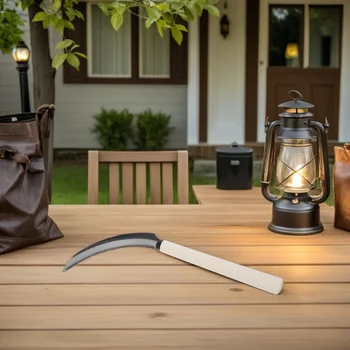
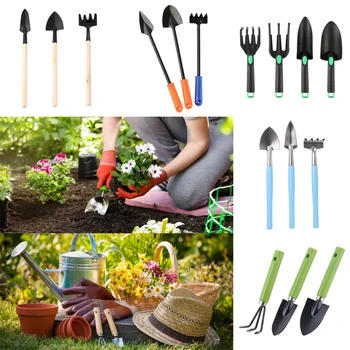
Sturdy, reusable plant stakes or bamboo canes are ideal. Insert the support gently at the base of the stem, then use soft garden ties or twist ties to secure the bloom without damaging tissue. For trailing varieties, a trellis or moss pole provides vertical growth and improves air flow.
Training Techniques
Use the “pinch and tie” method: pinch the tip of a leggy stem to encourage branching, then tie the new growth to a support. This creates a fuller plant and reduces the risk of top‑heavy stems tipping over.
6. Common Pests and How to Handle Them
Identify the Culprit
Spider mites appear as tiny specks on the underside of leaves; mealybugs look like cottony clusters; aphids are soft, green or black insects. A magnifying glass helps with accurate identification.
Organic Control Methods
Mix 1 tablespoon of neem oil with 1 cup of water and a few drops of dish soap. Spray the solution on affected foliage every 5‑7 days until pests disappear. For severe infestations, isolate the plant and use a gentle insecticidal soap.
Preventive Measures
Maintain proper airflow, avoid over‑watering, and clean leaves monthly with a damp cloth to remove dust that can harbor pests.
7. Routine Checklist for Ongoing Success
- Weekly: Inspect leaves for pests, check soil moisture, and rotate the plant 90° for even light exposure.
- Bi‑weekly: Dust foliage, prune dead material, and water according to the Goldilocks rule.
- Monthly: Fertilize (if in season), clean the pot’s drainage holes, and assess humidity levels.
- Quarterly: Repot if needed, replace plant supports, and give a deep soil aeration by gently loosening the top inch.
By integrating these data‑backed steps into your indoor gardening routine, you’ll create a resilient environment where plants not only survive but flourish. Remember, consistency is key—small, regular actions compound into big results, turning any indoor space into a vibrant, green oasis.