Creating a thriving garden is both an art and a science. By blending data‑driven decisions with simple, hands‑on techniques, you can transform any outdoor space into a vibrant sanctuary that not only looks stunning but also supports local wildlife. Below you’ll find a step‑by‑step guide to planning, planting, and maintaining a garden that inspires, along with practical tips for attracting birds using easy‑to‑make feeders.
Step 1: Assess Your Site with Data‑Driven Insights
Gather Sunlight and Soil Information
- Sun exposure: Use a sunlight calculator app or a simple DIY method (place a white sheet on the ground and note the shadow length every hour for a week). Aim for at least 6 hours of direct sunlight for most flowering plants.
- Soil pH: Purchase a cheap pH test kit (≈ $5) and test three spots in your garden. Most garden plants thrive in a pH range of 6.0–7.0. If the reading is outside this range, amend with lime (to raise pH) or elemental sulfur (to lower pH) according to the kit’s instructions.
- Drainage test: Dig a 12‑inch hole, fill it with water, and time how long it takes to drain. If water remains after 30 minutes, improve drainage with coarse sand or organic compost.
Map Your Garden Layout
Sketch a rough plan on graph paper (1 cm = 1 ft). Mark existing trees, structures, and the sun‑exposure zones you identified. This visual aid helps you place sun‑loving, shade‑tolerant, and moisture‑needy plants in their optimal spots.
Step 2: Choose the Right Plants for Your Conditions
Data‑Backed Plant Selection
Consult the USDA Plant Hardiness Zone map (or your local extension service) to confirm which species are proven to survive in your climate. For example, if you’re in Zone 7, consider these reliable options:
- Lavender (Lavandula angustifolia): 80 % germination rate when sown in early spring; drought‑tolerant after establishment.
- Black-eyed Susan (Rudbeckia hirta): Attracts pollinators; average bloom period of 10 weeks.
- Hostas (Hosta spp.): Thrive in shade; leaf size can increase up to 30 % with regular mulching.
Companion Planting for Natural Pest Control
Pairing certain plants can reduce pest pressure by up to 40 % (University of California Integrated Pest Management study). Example combos:
- Marigolds next to tomatoes to deter nematodes.
- Bee balm alongside squash to attract predatory insects.
- Rosemary near beans to repel bean beetles.
Step 3: Prepare the Soil and Plant
Soil Amendment Steps
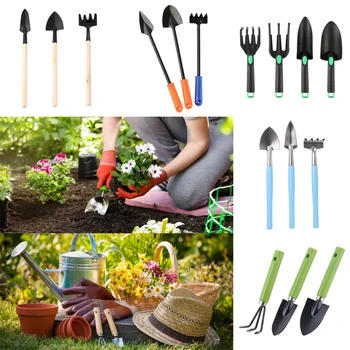
- Clear the area: Remove weeds, rocks, and debris. Use a garden fork to loosen the top 6 inches.
- Incorporate organic matter: Add 2–3 inches of well‑rotted compost. Mix thoroughly; this improves water retention and provides a slow release of nutrients.
- Apply a balanced fertilizer: Follow the label for a 10‑10‑10 NPK blend, applying 1 lb per 100 sq ft. Water in gently.
Planting Technique
- Spacing: Follow seed‑packet recommendations; overcrowding reduces air flow and increases disease risk. As a rule of thumb, give each plant a radius equal to its mature spread.
- Depth: Plant seeds at a depth of 2–3 times their diameter. For transplants, dig a hole twice as wide as the root ball and the same depth as the container.
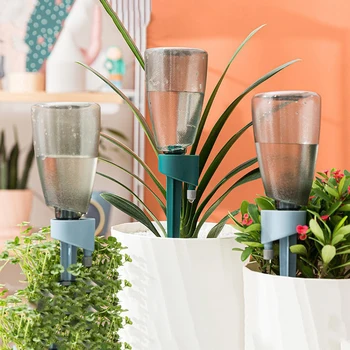
- Watering: Use a drip‑irrigation system or a soaker hose to deliver 0.5 inches of water per week. Early morning watering reduces evaporation and fungal growth.
Step 4: Ongoing Care and Maintenance
Water Management
Install a rain gauge to track precipitation. When rainfall exceeds 1 inch in a week, skip supplemental watering. This data‑driven approach prevents over‑watering, which can cause root rot.
Mulching for Moisture Retention
Apply a 2–3 inch layer of shredded bark or straw around plants, keeping the mulch a few inches away from stems. Mulch reduces soil temperature fluctuations by up to 10 °F and cuts water loss by 30 %.
Pruning and Deadheading
Remove spent blooms (deadheading) every 2–3 weeks to encourage a second flush of flowers. For woody plants, prune in late winter when dormant; this promotes vigorous spring growth.
Fertilization Schedule
Based on soil test results, apply a slow‑release fertilizer in early spring and again in mid‑summer. Avoid nitrogen‑heavy formulas after flowering to prevent excessive foliage at the expense of blooms.
Step 5: Invite Birds with Simple Handmade Feeders
Why Birds Matter
Birds provide natural pest control, eating up to 30 % of garden insects (Cornell Lab of Ornithology). They also add aesthetic value and improve pollination indirectly.
DIY Feeder #1: Pine Cone Suet Feeder
- Gather a large pine cone, a piece of twine, and a small jar of suet.
- Wrap the twine around the base of the cone to create a hanging loop.
- Warm the suet slightly (microwave 10 seconds) and drizzle it over the pine cone, allowing it to coat the scales.
- Hang the feeder 4–6 feet above ground, near a shrub for cover.
Tip: Replace suet every 5–7 days during hot weather to prevent spoilage.
DIY Feeder #2: Bottle Seed Feeder
- Take a clean 2‑liter plastic bottle and cut two small windows opposite each other, about 2 inches tall.
- Insert a wooden dowel or sturdy straw through each window to act as perches.
- Fill the bottle with a mix of black oil sunflower seeds, millet, and cracked corn (70 % seeds, 30 % grains).
- Secure the bottle to a garden stake using zip ties.
Tip: Rotate the feeder’s position weekly to discourage disease buildup and to expose different garden areas to bird activity.
DIY Feeder #3: Recycled Tin Can Waterer
- Rinse an empty tin can and punch two small holes near the rim for a hanging wire.
- Fill the can with fresh water, adding a few drops of apple cider vinegar to deter mosquitoes.
- Hang the can near flowering plants where birds are likely to perch.
Tip: Refill daily in summer; birds need 1–2 ounces of water per visit.
Step 6: Track Success and Adjust
Garden Journal
Record weekly observations in a simple spreadsheet:
| Date | Weather | Water Applied (in) | Growth Notes | Bird Activity |
|---|---|---|---|---|
| 2026‑03‑01 | Sunny, 55°F | 0.5 | Lavender sprouted | 2 finches |
| 2026‑03‑08 | Rain, 48°F | 0 | Hostas leafed out | 1 chickadee |
Analyzing this data helps you fine‑tune watering schedules, fertilizer timing, and feeder placement.
Seasonal Review
At the end of each growing season, compare your yields (flower count, seed heads) with regional averages from extension service reports. Adjust plant choices or spacing for the next year based on these metrics.
By following these data‑informed steps and incorporating simple bird‑friendly features, you’ll cultivate a garden that not only looks beautiful but also thrives ecologically. Happy gardening!