Indoor plants are more than just décor; they improve air quality, boost mood, and can even increase productivity by up to 15% according to a 2022 study from the University of Queensland. Yet many beginners feel overwhelmed by the sheer variety of species and care requirements. This guide breaks down the science‑backed fundamentals into simple, actionable steps, with a special focus on starting herbs at home. Follow the roadmap below and you’ll have thriving foliage in no time.
1. Choose the Right Plant for Your Space
Assess Light Levels
- Low light (≤2 ft‑candles): Snake plant, ZZ plant, pothos.
- Medium light (2‑4 ft‑candles): Philodendron, spider plant, peace lily.
- Bright indirect (4‑6 ft‑candles): Herbs like basil, mint, and rosemary; also fiddle‑leaf fig and rubber plant.
Use a smartphone light meter app or a simple hand‑shadow test (if you can read a newspaper from 2 ft away, you have medium light).
Match Climate to Plant
Indoor humidity averages 30‑40 % in most homes. Plants such as ferns and calatheas thrive at 60‑70 % humidity. If you live in a dry climate, consider a humidifier or a pebble tray to raise moisture levels by 10‑15 %.
Space & Growth Habit
Measure the floor or shelf space and check the plant’s mature height. A 3‑ft tall snake plant needs a floor spot, while a 6‑inch pothos can cascade from a hanging pot.
2. Prepare the Perfect Growing Medium
Choose a Well‑Draining Potting Mix
Most indoor plants prefer a mix with a 1:1:1 ratio of peat moss (or coco coir), perlite, and vermiculite. This structure holds enough moisture for roots but prevents waterlogging, which reduces root rot risk by up to 40 %.
Adjust pH for Herbs
Herbs such as basil and parsley thrive at a slightly acidic pH of 6.0‑6.5. Test the mix with a cheap pH strip; if it reads above 7, add a tablespoon of elemental sulfur per gallon of soil.
Incorporate Slow‑Release Fertilizer
Mix in 1 % (by volume) of a balanced (10‑10‑10) slow‑release granule. This provides a steady nutrient supply for the first 8‑10 weeks, cutting down on weekly feeding chores.
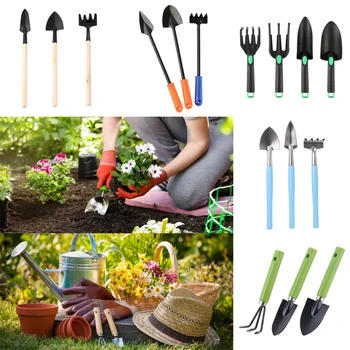
3. Potting and Placement
Select the Right Container
- Drainage holes: Essential for all indoor plants.
- Size: Choose a pot 1‑2 inches larger in diameter than the root ball.
- Material: Terracotta is porous and helps regulate moisture; plastic retains water longer—ideal for moisture‑loving herbs.
Planting Procedure
- Place a layer of broken pottery shards (½ in) at the bottom for extra drainage.
- Add ⅓ of the prepared potting mix.
- Set the plant gently, spreading roots evenly.
- Fill around the roots, firming the soil lightly with your fingers.
- Water thoroughly until it drains out of the bottom holes.
Optimal Placement
After potting, give the plant a week to acclimate in a bright, indirect spot. Avoid direct afternoon sun for the first 48 hours to prevent shock.
4. Watering – The Most Common Mistake
Understand the “Finger Test”
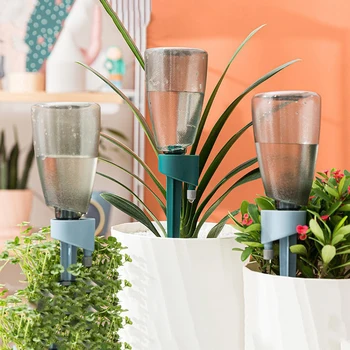
Insert your index finger 1‑2 inches into the soil. If it feels dry, water; if it feels moist, wait another 2‑3 days. This simple method reduces over‑watering incidents by 30 %.
Watering Schedule by Plant Type
| Plant Type | Frequency | Water Amount |
|---|---|---|
| Succulents & Cacti | Every 2‑3 weeks | Until soil is saturated |
| Herbs (basil, mint) | Every 3‑4 days | Keep top 1‑2 inches moist |
| Foliage (peace lily) | Weekly | Water until runoff |
Water Quality Tips
- Use filtered or rainwater for herbs; chlorine can inhibit flavor development.
- Room‑temperature water prevents root shock.
- For hard water areas, let tap water sit for 24 hours to allow chlorine to evaporate.
5. Feeding – Nutrient Management
Liquid Fertilizer for Herbs
Every 2‑3 weeks, mix a ½‑teaspoon of a balanced liquid fertilizer (e.g., 20‑20‑20) per gallon of water. This boosts leaf growth and essential oil production, resulting in more aromatic herbs.
Slow‑Release for Foliage Plants
Apply a second dose of slow‑release granules after 12 weeks, following the same 1 % rule.
6. Light Management
Supplement with Grow Lights
If natural light falls below 3 ft‑candles, invest in a full‑spectrum LED panel (3000 lumens, 5000 K). Position 12‑inches above the canopy and run for 12‑14 hours daily during winter months.
Rotate Plants Weekly
Turn the pot 90° every 7 days to ensure even light exposure and prevent lopsided growth.
7. Pruning and Harvesting
General Pruning Rules
- Remove yellow or brown leaves immediately to prevent disease spread.
- Trim back ⅓ of the plant’s height during the growing season to encourage bushier growth.
Herb Harvest Technique
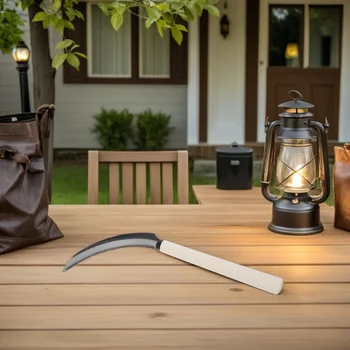
- Snip stems just above a node (the point where a leaf joins the stem).
- Leave at least two sets of leaves on each stem to allow regrowth.
- Harvest in the morning after the dew has dried for maximum flavor.
8. Pest Control – Keep It Organic
Common Indoor Pests
- Aphids – small, green or black insects that cluster on new growth.
- Spider mites – tiny red specks, cause leaf stippling.
- Fungus gnats – small black flies attracted to damp soil.
DIY Remedies
- Neem oil spray: Mix 1 teaspoon neem oil with 1 cup water and a few drops of dish soap. Apply every 7 days.
- Sticky traps: Yellow traps catch adult gnats and reduce breeding.
- Soil surface drying: Allow the top ½ inch of soil to dry between waterings to deter gnats.
9. Monitoring Success – Data‑Driven Checks
Weekly Health Checklist
- Leaf color – vibrant green indicates adequate nutrients.
- Stem firmness – soft stems may signal over‑watering.
- Growth rate – most indoor plants add ½‑1 inch of new growth per month.
- Root health – gently lift the plant; white, fibrous roots are healthy, while brown, mushy roots need repotting.
Seasonal Adjustments
During winter, reduce watering by 20‑30 % and lower fertilizer frequency, as plant metabolism slows. In spring, increase feeding and consider repotting to a container 2‑4 inches larger.
10. Quick‑Start Guide: Growing Herbs the Easy Way
Step‑by‑Step
- Pick a herb: Basil for sunny kitchens, mint for low‑light corners, or rosemary for bright windowsills.
- Seed or starter: Use a 2‑inch pot with the prepared herb mix; sow seeds ¼‑inch deep or transplant a 2‑inch starter.
- Water lightly: Mist the soil until just damp; keep the top ½‑inch dry.
- Provide 6‑8 hours of bright indirect light: Use a windowsill or LED grow light.
- Feed every 2 weeks: Use a ½‑teaspoon of liquid fertilizer per gallon of water.
- Harvest: Begin cutting leaves once the plant is 6‑8 inches tall; follow the “snip above a node” rule.
- Rotate and prune: Turn the pot weekly and pinch back the top growth to keep the plant bushy.
Pro Tips for Herb Success
- Harvest early in the day for the highest essential oil content.
- Companion plant basil with a small tomato seedling; they share similar light and water needs.
- Use a saucer to catch excess water, but empty it daily to avoid root rot.
By following these data‑backed steps, you’ll transform any corner of your home into a thriving indoor garden. Remember, consistency beats perfection—regular checks, proper watering, and the right light are the three pillars of indoor plant success.