Imagine stepping into your backyard and being greeted by the fresh, uplifting scents of rosemary, basil, mint, and thyme—all thriving in a garden you designed yourself. A well‑planned herb garden not only adds flavor to your kitchen but also boosts biodiversity, improves soil health, and creates a calming outdoor space. Below is a data‑driven, step‑by‑step guide to help you grow a thriving herb garden, complete with practical tips, tricks, and actionable advice for each stage.
1. Choose the Right Herbs for Your Climate and Space
According to the USDA Plant Hardiness Zone Map, most culinary herbs thrive in zones 5‑9. If you’re outside this range, consider container gardening or selecting cold‑hardy varieties such as chives and oregano.
Step 1: Assess Sunlight Exposure
- Data point: Herbs like basil and rosemary need at least 6–8 hours of direct sunlight per day for optimal oil production.
- Action: Use a sunlight meter or a simple smartphone app to track peak sunlight hours in your garden over a week.
- Tip: If a spot receives 4–5 hours, choose shade‑tolerant herbs like mint or parsley.
Step 2: Evaluate Soil Type
- Data point: A soil pH of 6.0–7.0 is ideal for most herbs; rosemary prefers slightly alkaline (6.5–7.5).
- Action: Purchase a cheap pH test kit and test three spots where you plan to plant.
- Tip: Amend acidic soil with garden lime (1 lb per 100 sq ft) and alkaline soil with elemental sulfur.
2. Prepare the Planting Bed or Containers
Proper preparation sets the foundation for healthy growth and reduces pest pressure.
Step 1: Soil Amendment
- Data point: Adding 2–3 inches of compost improves water retention by up to 30% and supplies essential nutrients.
- Action: Spread compost evenly over the planting area and work it into the top 6 inches of soil.
- Tip: For containers, use a high‑quality potting mix with perlite for drainage.
Step 2: Install Drainage
- Data point: Over‑watering can cause root rot in 40% of herb failures.
- Action: Add a 1‑inch layer of coarse sand or small gravel at the bottom of containers.
- Tip: In raised beds, incorporate a 2‑inch layer of crushed stone to promote drainage.
3. Planting Techniques for Maximum Success
Whether sowing seeds or transplanting seedlings, timing and spacing are critical.
Step 1: Seed Sowing
- Data point: Basil seeds have a 70% germination rate when sown at ¼‑inch depth and kept at 70°F.
- Action: Plant seeds in rows spaced 12 inches apart; cover lightly with soil and mist daily.
- Tip: Use a seedling heat mat in cooler climates to maintain optimal temperature.
Step 2: Transplanting Seedlings
- Data point: Transplant shock can reduce growth by up to 25% if roots are disturbed.
- Action: Gently loosen the root ball, keep soil intact, and plant at the same depth as in the starter pot.
- Tip: Water thoroughly after planting and apply a thin layer of mulch to retain moisture.
4. Ongoing Care: Watering, Feeding, and Pruning
Consistent care ensures robust growth and abundant harvests.
Step 1: Water Management
- Data point: Most herbs require 1–1.5 inches of water per week, but this varies with temperature and soil type.
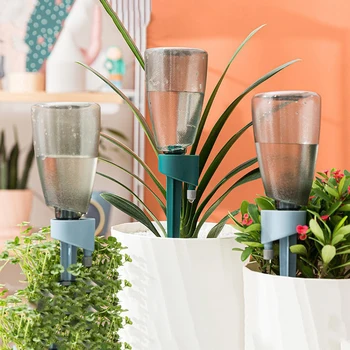
- Action: Install a drip irrigation system with a timer set to deliver 0.5 gallon per hour for 15 minutes, twice weekly.
- Tip: Use a moisture meter; water only when the top inch of soil feels dry.
Step 2: Fertilization
- Data point: Over‑fertilizing can dilute essential oils, reducing aroma intensity by up to 40%.
- Action: Apply a balanced organic fertilizer (10‑10‑10) at half the recommended rate once a month.
- Tip: Side‑dress with a handful of compost in early spring for a nutrient boost.
Step 3: Pruning and Harvesting
- Data point: Regular pruning increases leaf production by 30% in basil and mint.
- Action: Pinch off the top 2 inches of each stem when the plant reaches 6 inches tall.
- Tip: Harvest in the morning after dew dries for the highest essential oil concentration.
5. Pest and Disease Management
Preventive strategies keep your herb garden healthy without resorting to harsh chemicals.
Step 1: Identify Common Pests
- Data point: Aphids affect 15% of herb gardens, often spreading viral diseases.
- Action: Inspect leaves weekly; look for sticky honeydew or curled edges.
- Tip: Spray a neem oil solution (2 tsp per gallon) every 7–10 days as a natural deterrent.
Step 2: Disease Prevention
- Data point: Powdery mildew thrives in high humidity (>80%) and poor airflow.
- Action: Space plants according to the recommended 12‑inch intervals to improve air circulation.
- Tip: Apply a homemade copper spray (1 tsp copper sulfate, 1 tsp soap, 1 qt water) at first sign of mildew.
6. Harvesting and Using Your Herbs
Proper harvesting maximizes flavor and extends the life of your plants.
Step 1: Timing the Harvest
- Data point: Basil leaves harvested just before flowering contain 20% more essential oils.
- Action: Cut stems just above a leaf node, leaving at least two sets of leaves on the plant.
- Tip: Store harvested herbs in a glass jar with a little olive oil to preserve aroma.
Step 2: Preserving for Year‑Round Use
- Data point: Drying herbs at 95°F retains up to 85% of their volatile compounds.
- Action: Hang small bunches upside down in a dark, well‑ventilated area for 1–2 weeks.
- Tip: Grind dried herbs just before use to maintain maximum flavor.
By following these data‑backed steps and incorporating the practical tips provided, you’ll transform any patch of soil into a fragrant, productive herb garden. Not only will you enjoy fresh, aromatic ingredients year after year, but you’ll also create a vibrant, living space that enhances both your culinary adventures and your garden’s ecological health.