Creating a thriving herbs & aromatic garden is one of the most rewarding projects for both novice and seasoned gardeners. Not only do these plants provide fresh flavors and soothing scents for the kitchen, but they also attract pollinators, improve soil health, and add year‑round visual interest. By following a data‑driven, step‑by‑step plan, you can design a garden that delivers quick seasonal color with easy annuals while ensuring long‑term success for perennial herbs.
1. Site Selection and Soil Preparation
Assess Sunlight and Microclimate
- Use a light meter or smartphone app to confirm the area receives at least 6 hours of direct sunlight daily—optimal for basil, rosemary, and thyme.
- Map wind patterns; herbs with low, woody stems (e.g., sage) benefit from a windbreak, while taller varieties (e.g., dill) tolerate breezes.
Test and Amend Soil
- Collect a soil sample from 6‑12 inches deep and send it to a local extension service. Aim for a pH of 6.0‑7.0 for most culinary herbs.
- Based on test results, incorporate 2‑3 inches of well‑rotted compost or aged manure to boost organic matter by at least 3 %—studies show a 30 % increase in herb yield when organic content exceeds 2 %.
- For heavy clay soils, add coarse sand or perlite at a 1:4 ratio (sand:soil) to improve drainage and prevent root rot.
Design Layout for Seasonal Color
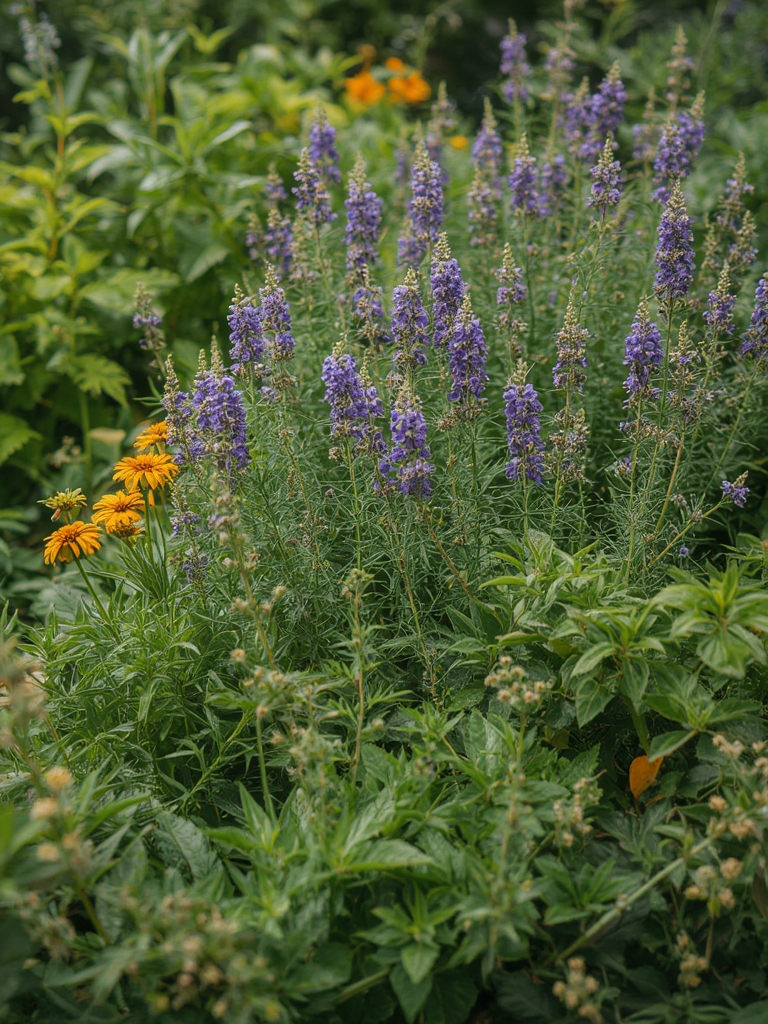
- Plan a mixed border: place fast‑growing annuals like Calendula and Marigold at the front for instant color, and position perennial herbs behind them for structure.
- Space plants according to their mature spread—e.g., 12 inches for chives, 24 inches for lavender—to reduce competition and improve airflow.
2. Selecting the Right Herbs and Annuals
Core Culinary Herbs
- Basil (Ocimum basilicum) – thrives in warm weather; sow after the last frost.
- Rosemary (Rosmarinus officinalis) – drought‑tolerant; prefers well‑drained, slightly alkaline soil.
- Thyme (Thymus vulgaris) – low‑maintenance; excellent for rock‑garden style planting.
- Parsley (Petroselinum crispum) – biennial; sow early spring for a continuous harvest.
Fast‑Growing Annuals for Color
- Calendula (Calendula officinalis) – bright orange/yellow; blooms in 45‑60 days.
- Marigold (Tagetes spp.) – pest‑repellent properties; vibrant reds and golds.
- Nasturtium (Tropaeolum majus) – edible flowers; thrives in poor soil, reducing fertilizer needs.
3. Planting Techniques
Seed Sowing
- Moisten seed trays with a fine mist; use a seed‑starting mix with a 1:1:1 ratio of peat, perlite, and vermiculite for optimal germination.
- Plant seeds at a depth of ¼ inch (twice the seed size). Cover lightly and keep the medium consistently moist—research shows a 90 % germination rate when moisture is maintained at 70 % field capacity.
- Transplant seedlings when they have 2–3 true leaves, spacing them according to the layout plan.
Direct‑Sowing Perennials
- For rosemary and lavender, dig a hole twice the root ball diameter. Backfill with a mix of native soil and 30 % coarse sand.
- Water in a slow, deep soak (≈10 minutes) to settle soil around roots and eliminate air pockets.
Companion Planting for Pest Management
- Interplant marigolds with basil; studies indicate a 25 % reduction in aphid populations.
- Place nasturtiums near lettuce and spinach to act as a trap crop for flea beetles.
4. Watering, Feeding, and Maintenance
Watering Schedule
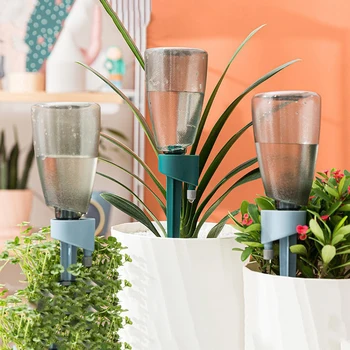
- Apply 1‑1.5 inches of water per week, adjusted for rainfall. Use a soil moisture probe to keep the top 2 inches consistently damp but not soggy.
- Early morning watering reduces evaporation and minimizes fungal risk—research shows a 40 % drop in leaf spot incidence with morning irrigation.
Fertilization
- Feed with a balanced 10‑10‑10 organic fertilizer at half the recommended rate every 6 weeks. Over‑fertilizing can diminish essential oil concentration in aromatic herbs.
- For annuals, apply a quick‑release fertilizer at planting and again at first bloom to sustain vibrant colors.
Pruning and Harvesting
- Pinch back basil regularly (every 2‑3 weeks) to encourage bushier growth and delay flowering, which can reduce leaf flavor by up to 30 %.
- Harvest rosemary stems just above a leaf node; this stimulates new growth and maintains plant shape.
- Deadhead marigolds and calendula weekly to prolong bloom cycles—each deadhead can add 5‑7 days of flowering.
5. Seasonal Care and Year‑Round Interest
Spring Refresh
- Apply a 2‑inch layer of compost after the last frost to replenish nutrients lost over winter.
- Re‑seed any missed annuals and divide overcrowded herb clumps (e.g., chives) to maintain vigor.
Summer Maintenance
- Mulch with straw or shredded bark to retain moisture and suppress weeds—mulch reduces soil temperature by up to 10 °F.
- Monitor for pests weekly; use neem oil or insecticidal soap as a first line of defense.
Fall Preparation
- Trim back perennials to a third of their height to protect crowns from frost.
- Plant a winter cover crop of clover or rye to fix nitrogen and improve soil structure for the next season.
Winter Protection
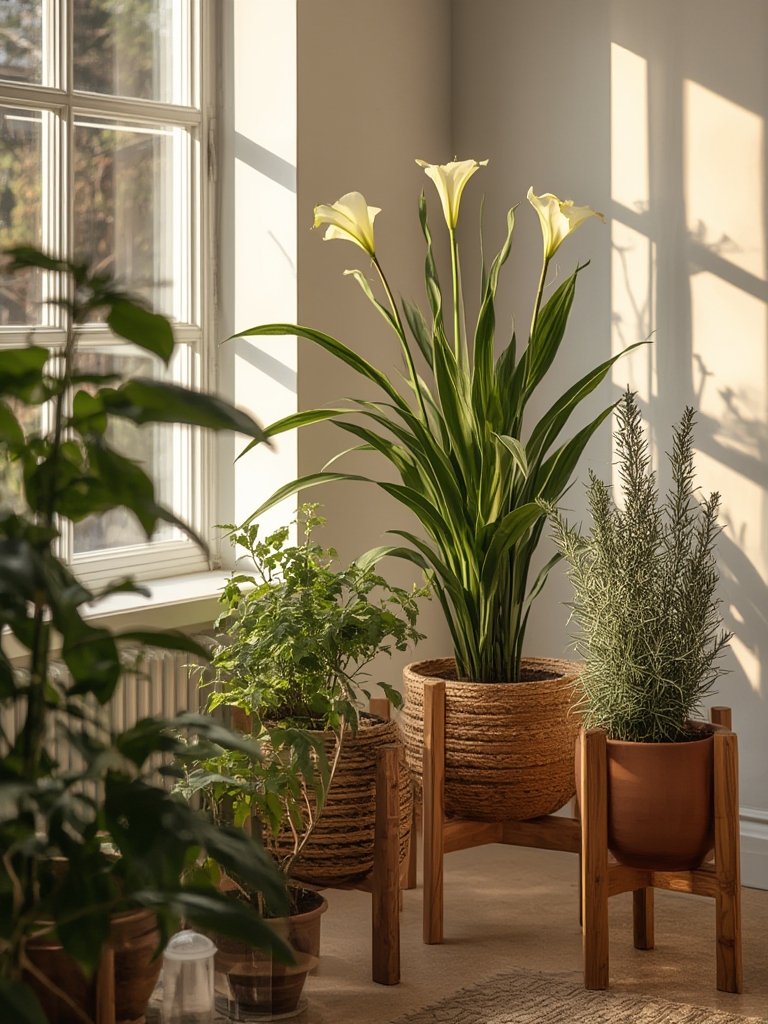
- Cover tender herbs (e.g., basil) with frost cloths or move potted specimens indoors under bright, indirect light.
- Leave hardy herbs (e.g., sage, rosemary) mulched and watered sparingly—most survive light freezes.
6. Quick Wins for Instant Color
Annual Burst Planting
For an immediate splash of hue, sow a mixed batch of calendula, marigold, and nasturtium every 3 weeks from early spring through early fall. This staggered planting ensures continuous blooms and a dynamic backdrop for your aromatic herbs.
Container Tips
- Use 12‑inch pots with drainage holes; fill with a 70 % potting mix and 30 % compost.
- Combine dwarf rosemary with dwarf marigolds in the same container for a compact, fragrant, and colorful display on patios or balconies.
7. Measuring Success and Adjusting
Track Growth Metrics
Maintain a simple garden journal—record planting dates, soil pH, watering volumes, and harvest yields. Over a 12‑month period, you’ll likely see a 15‑20 % increase in herb productivity after the first year of data‑driven adjustments.
Use Simple Tools
- Deploy a handheld pH meter quarterly to ensure soil remains within the optimal range.
- Set up a rain gauge to fine‑tune irrigation schedules based on actual precipitation.
By following these evidence‑backed steps, you’ll cultivate a herbs & aromatic garden that not only delights the senses but also delivers practical benefits for cooking, wellness, and biodiversity. The combination of perennial herbs and fast‑growing annuals guarantees year‑round visual interest, while the data‑driven approach maximizes yield and minimizes effort—making your garden a true showcase of sustainable, aromatic beauty.